Tag Archives: Winery

LIVING THE LIFE IN PROVENCE AND A VISIT TO TAVEL – THE BEST ROSÉ

I haven’t posted in a while, because Dorianne and I have been focusing on some writing projects and dining in our apartment for the most part. We are sill in Villeneuve-les-Avignon, the picturesque village across the Rhône River from Avignon in northern Provence.

This weekend, we were invited by our friend Richard Major, who lives in Mazan in the Ventoux region, to a party being hosted by an ex-pat American couple celebrating one year of living in France. There would be ex-pats from the United Kingdom, New Zealand, and other nations, plus a few French neighbors. So, of course, we were interested in attending. I won’t use any names here, because I did not get permission to do so. Here is the sunset from the home.

2015-08-28 20.09.41

The home was located in the hills above Bédoin, a picturesque (they are ALL picturesque) village near the base of Mont Ventoux. The couple, from California, and their two children seemed very happy with their choice to move to Provence. We also spoke with a number of other ex-pats and a couple visiting from the U.S., also from California, who own a home nearby, but still live in the States.

The dinner was pot-luck, and there was a good bit of local wine. The Ventoux Region (LINK) is known for Grenache, Syrah and Mouvèdre, with  Cinsault and Carignan – the usual Rhône Valley suspects. In the Ventoux A.O.P., no varietal can be more than 30% of the blend. Here are some images of some of the wines served at the party.

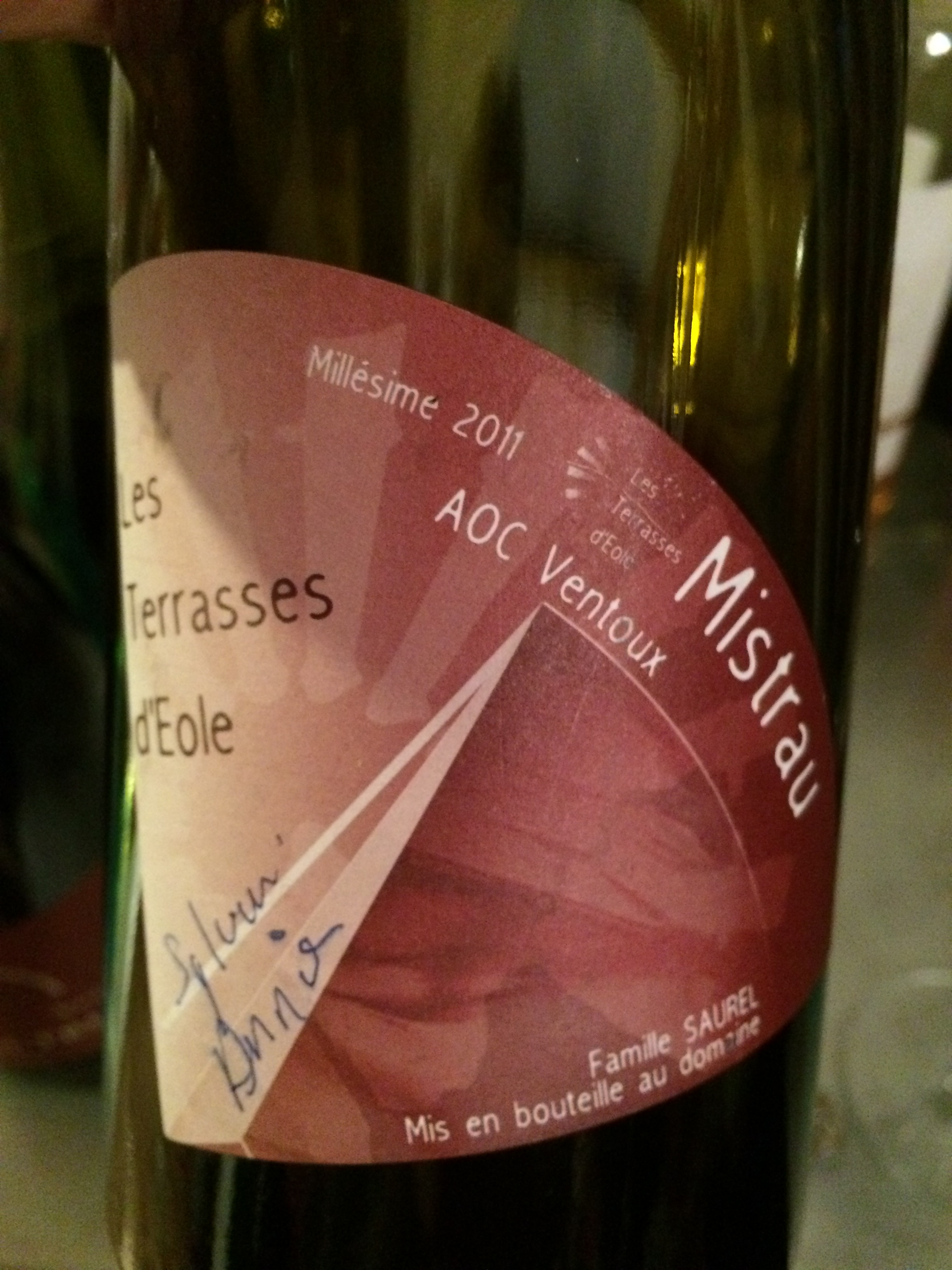
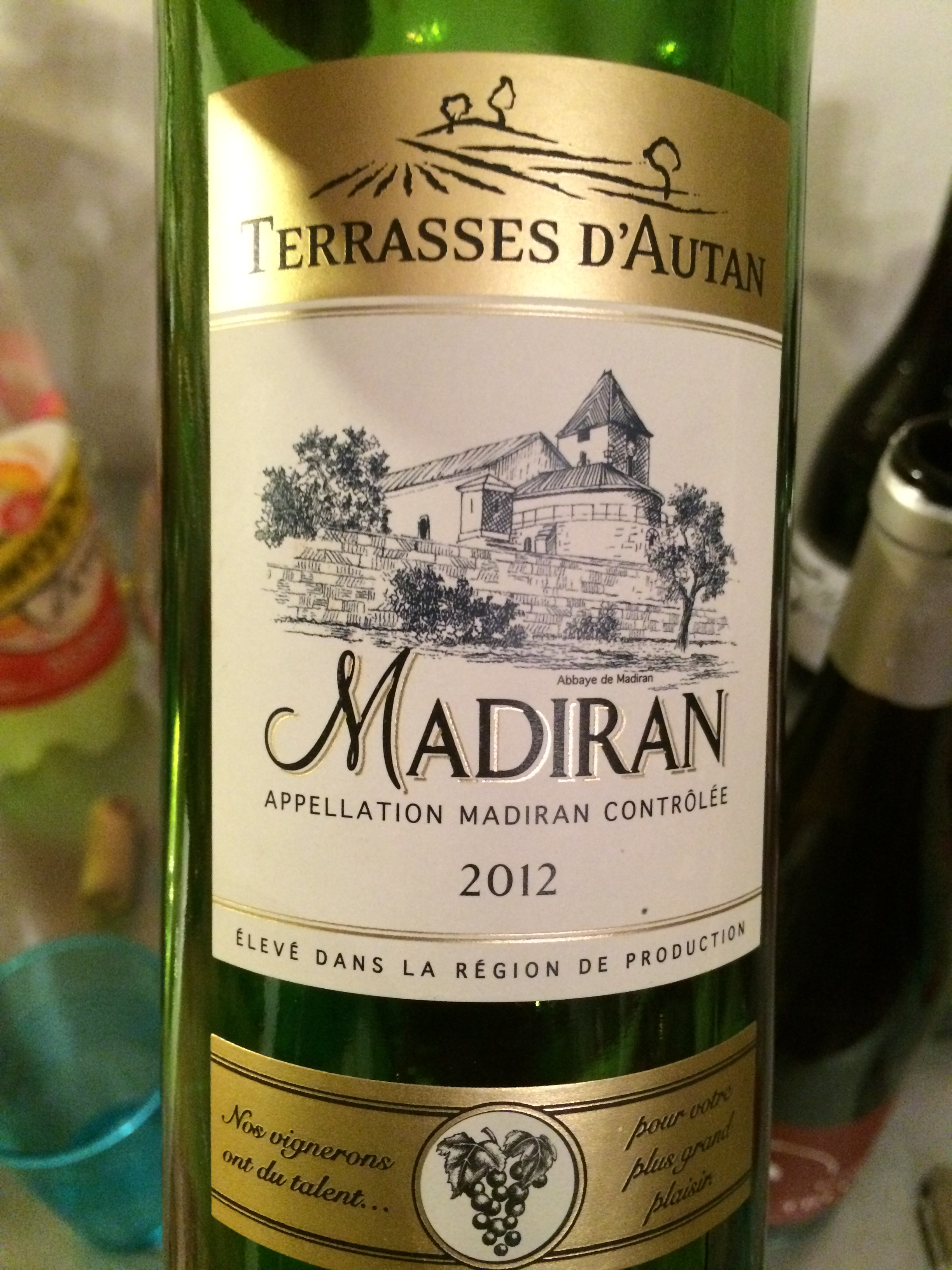
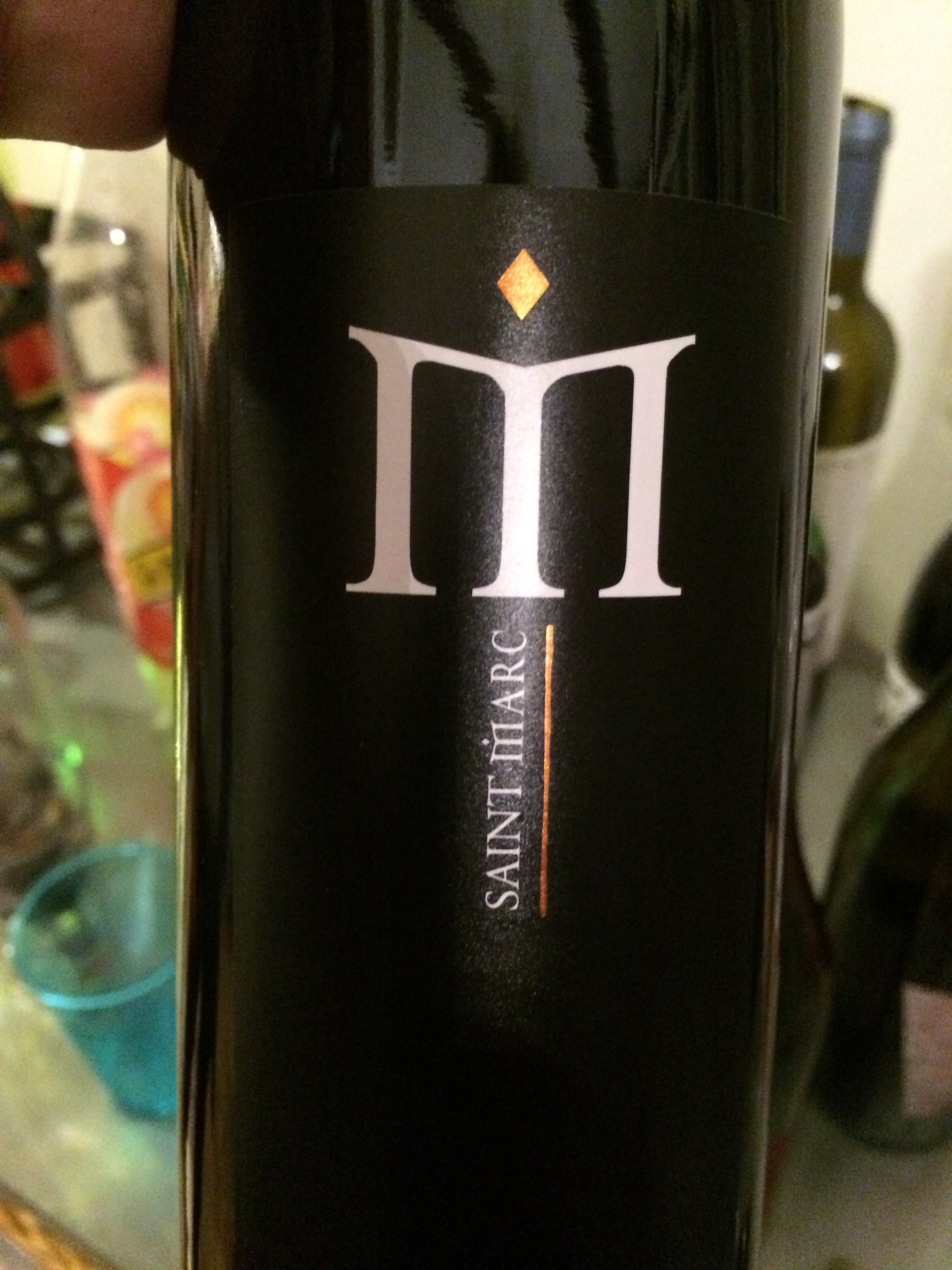
2015-08-28 21.02.01 2015-08-28 21.02.12 2015-08-28 21.02.28 2015-08-28 21.02.38 2015-08-28 21.02.49

Suffice to say, Dorianne and I were impressed by the lifestyle and the conviviality of the English-speaking ex-pats in this part of Provence. It gave us more food for thought about our future home base.

After an overnight at Richard’s in Mazan, we headed for a day in Tavel, the only A.O.P. in France where only rosè wines are allowed; and then over to Châteauneuf-du-Pape for lunch and a visit to Les Caves St Charles, which will be detailed in a separate post.

It was a very special day. If you stay off of the highways, this part of France is a treat for the senses – beautiful panoramas of low hills, valleys, fields of grapes and olive trees, rustic farmhouses – simply beautiful. We traveled down one-lane roads through vineyards and tiny villages, smelled the aromas in the air, and heard almost nothing – silence. It was a very peaceful way to travel.

Tavel (LINK) is located on the right bank of the Rhône River, bordering the Lirac A.O.P., and very close to Avignon. First, let’s look at A.O.C. and A.O.P.

The French government, not too long ago, officially announced that the long standing A.O.C. (Appellation d’origine contrôlée) system for wine is being replace by an new quality ladder with the top step being an A.O.P. (Appellation d’Origine Protégée) (LINK). So, since about 2009, the correct designation is A.O.P.  – – That’s just F.Y.I.

We chose Château de Manissy (LINK) in the  Tavel A.O.P. from a list online. We are very glad that we did. Owned by the Holy Family’s Missionaries, it has produced rosè wines since the beginning of the 20th century and acquired a famous reputation with the “Tête de Cuvée” wine, a barrel-aged rosé. The monks turned over the viticulture and wine-making to a young many from TavelFlorian André, who was in his early 20’s at the time. Monsieur André has continued some of the traditions of the monks, and oversaw the conversion to an organic winery in 2009. He has also modernized some of the techniques, while keeping that barrel-aged rosé in production. By the way, the monks still live in the Château.
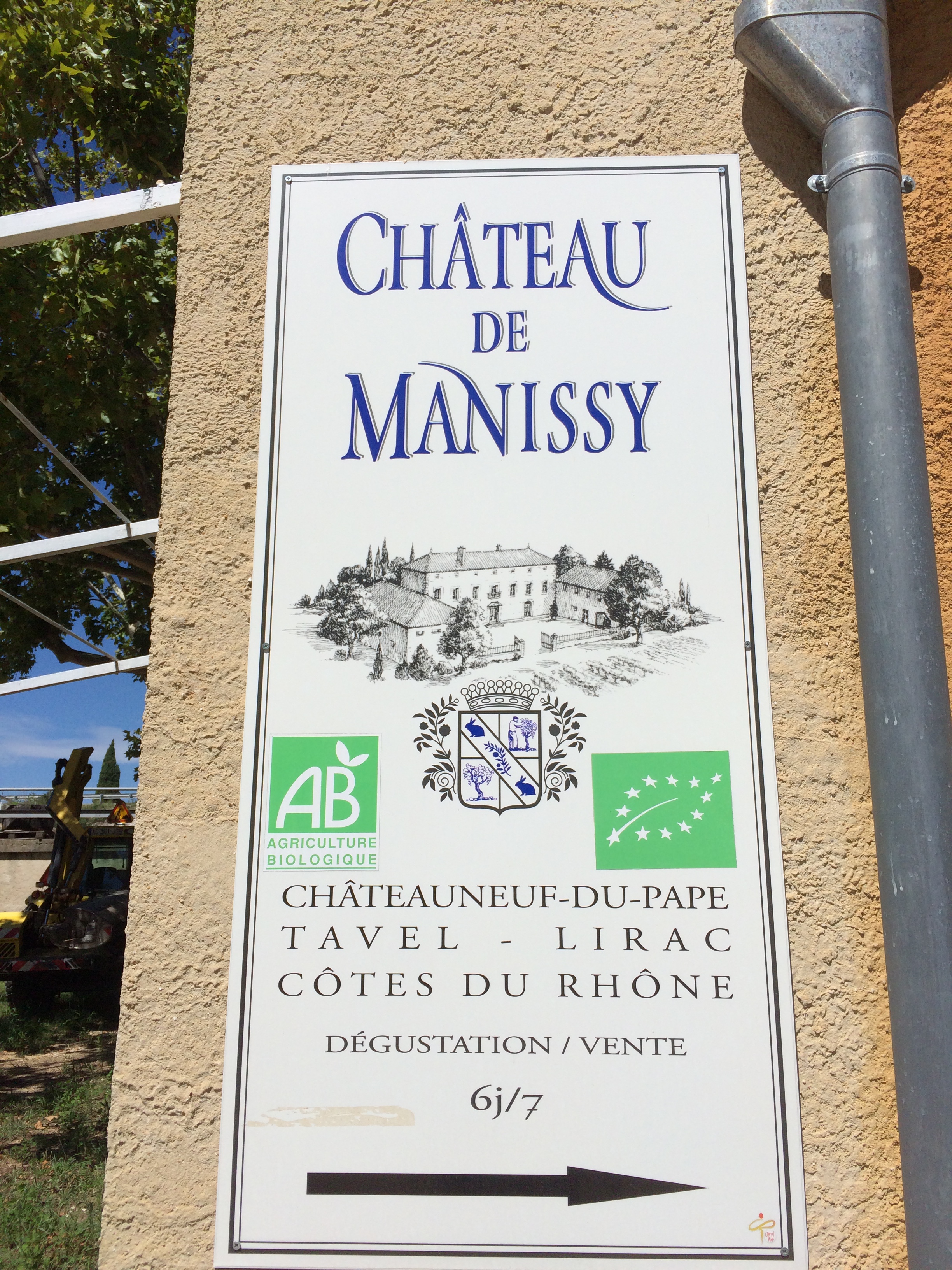
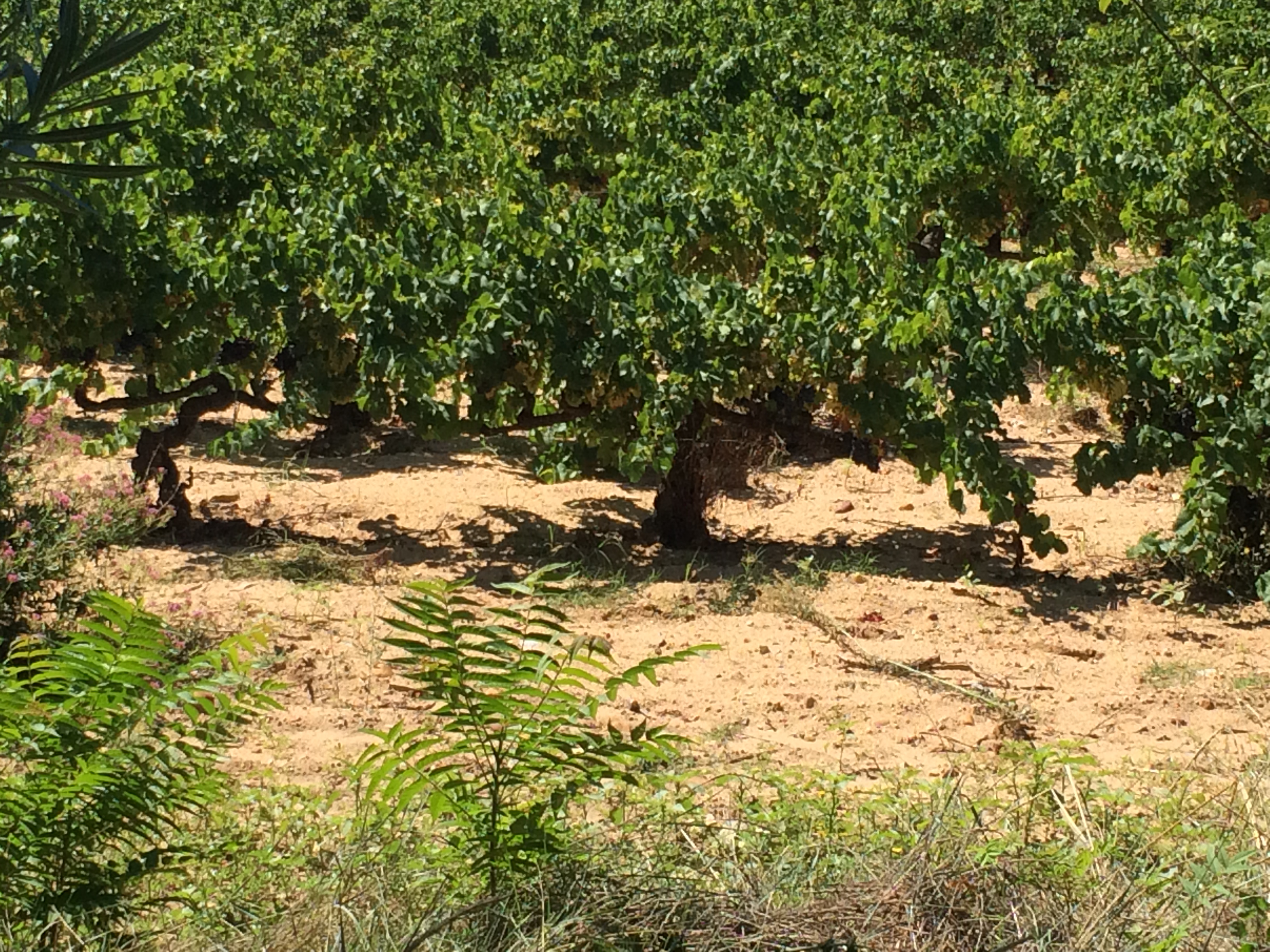
2015-08-29 13.40.32 2015-08-29 13.40.55 2015-08-29 13.41.42 2015-08-29 13.49.04

We arrived a bit early for our 2:00 pm appointment, so we wandered the grounds a bit before being met by Anaïs, the Tasting Room Manager. She took us out to the vineyards and we discussed the viticulture of the region. It turned out that her English was so good because she spent a year (2013) working at Tablas Creek Winery in Paso Robles, known for their Rhône varietals and techniques. As it happened, Dorianne and  I were in the Tablas Creek wine club in 2013. Anaïs told us that her father is the winemaker at Famille Perrin/Perrin & Fils in Tavel, and they partner with Tablas Creek in a number of ventures. Small world.

2015-08-29 13.57.42
Anaïs – Tasting Room Manager.
2015-08-29 14.19.40
Manissy’s Chateauneuf-du-Pape – from a Single Hectare Vineyard. 100% Grenache.

It also turned out that our guide on a previous tour (LINK) of Châteauneuf-du-Pape and GigondasValentina of MistralTour.fr, used to work at Château de Manissy. Smaller world.

We did a tasting and then toured the wine-making operation.

First, we tasted a white from another area of vineyards and a Côtes du Rhône – Rosé of Grenache 40% – Carignan 40% – Cinsault 10% – Syrah 10%. This wine, not from 100% Tavel fruit, was closer to the rosé wines of the larger Provencal region. It was lighter and crisper than the wines to follow. They also make some other wines from vineyards outside of Tavel, all were good and very reasonably priced, but they are not why you want to visit Château de Manissy, or the wines you want to try.

The rosé wines of Château de Manissy, and of Tavel in general, are unlike other rosé wines from Provence. They tend to have a deeper pink to red color and be bolder. This is true of the 2013 Tavel Rosé that we tasted, a blending of principally Grenache, Clairette, Cinsault and Bourboulenc, from about 40 years old vines. This is a bolder, more structured rosé with a sense of terroir, unusual in a rosé. There is also a nice balance of fruit – this wine manages to be refreshing and structured enough to pair with chicken or other fowl. This wine is a good representative of the moden Tavel A.O.P. rosés.

2015-08-29 14.19.58 2015-08-31 12.05.57

Then, we had the unique 2013 Tête de Cuvée, the barrel-aged rosé that is the last vestige of the monks’ style of wine making. This is a unique rosé in almost every respect. It is aged in small oak barrels, bottled in brown glass like a red wine, it pairs with beef and other meats, it is made to age for decades, and it is made to consume year-round. It is a blending of Grenache, Clairette, Cinsault, Bourboulenc and Carignan. It is mentioned but not listed for sale on their website, and there is very little information about this wine on the internet that I could find. This would be a wonderful wine for Thanksgiving Dinner, strong enough to stand up to turkey and gravy and such, but supple enough to match pretty well with all the other appetizers and side dishes that show up at that feast that is so hard to find good wine parings for. We have two bottles that will travel home with us for this purpose. Oh, and the 2013 Tête de Cuvée was priced at 11€ or about $12.00 – one of their more expensive wines!
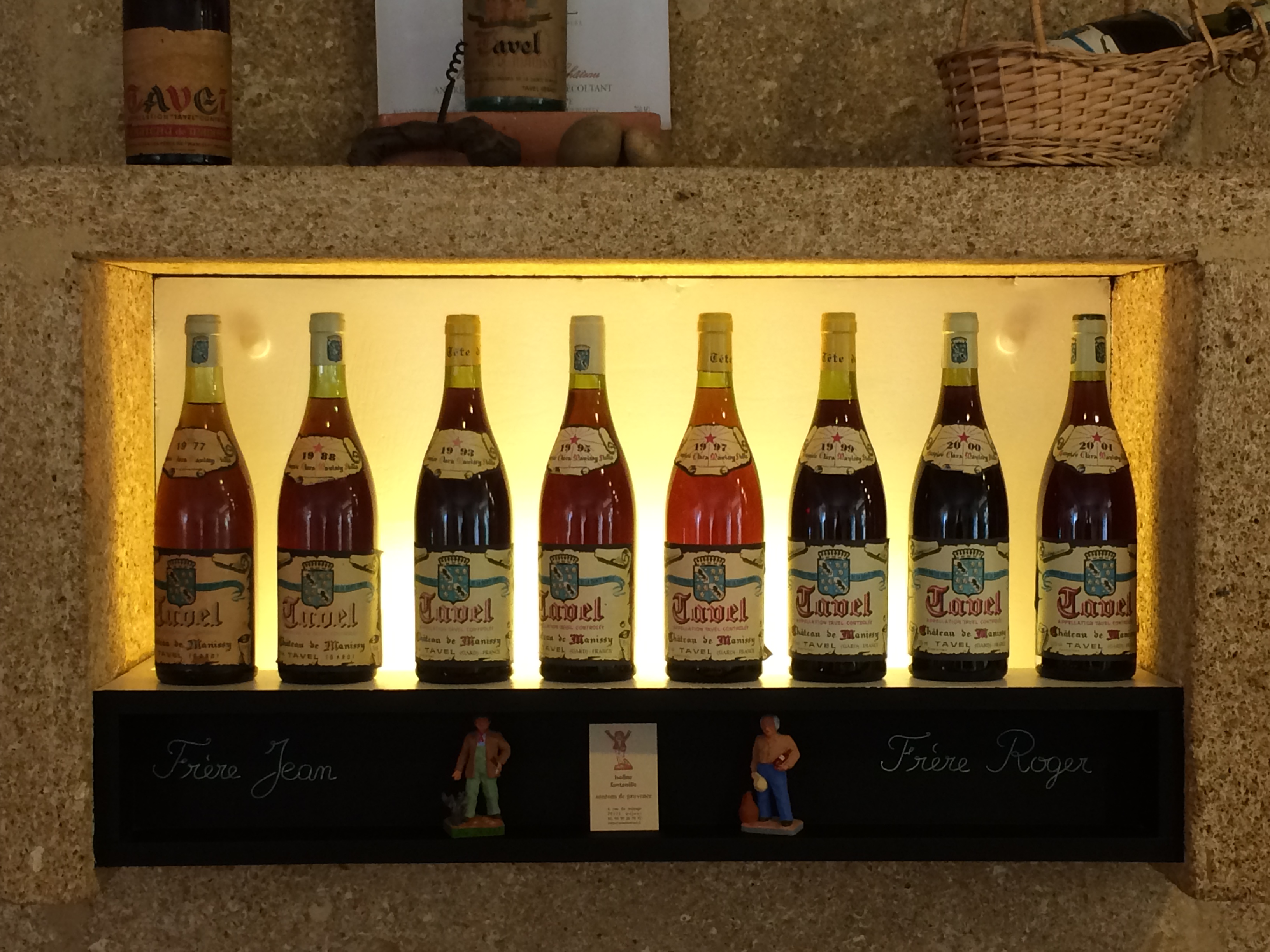
2015-08-29 14.19.34
Tête de Cuvée Rosés Gone Back to 1977

2015-08-31 12.05.21

It is also worth noting that Anaïs told us that we were the very first visitors in 2015 from the United States. I found this surprising, but then again, Tavel is not well known in the U.S. If you are looking for rosés for the remainder of the summer and into the cooler days of autumn – see if your wine retailer has wines from Tavel – you won’t be disappointed.

I will post about the other part of our day – a return to Châteauneuf-du-Pape, in the next post.

Photos and text Copyright Jim Lockard 2015.

CHATEAU LA CANORGUE – AWARD WINNING LUBERON WINES

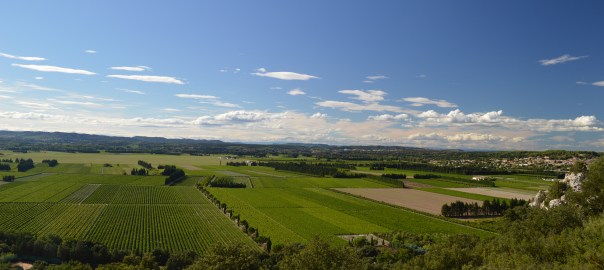
Last week, Dorianne, Grace and I joined our friend Richard Major, who was raised in the Luberon region for an afternoon drive thought the region. We started with a wonderful lunch at his home in Mazan, sharing a couple of bottles of local wines, then drove through a beautiful gorge into the Luberon Valley. As we approached the town of Bonnieux, one of the places where Richard grew up, he turned into a driveway marked Château La Canorgue (LINK)“Let’s see if they are still open,” he said – it was 6:45 pm. As we drove up the driveway through the scenic property, Richard said casually, “The winemaker, Jean-Pierre Margan and I went to high school together. I haven’t seen him for forty years.”

We digested that bit of information as we pulled into the parking area, and Richard spotted Jean-Pierre standing outside of the tasting room. They engaged in conversation while we went inside, where we met his daughter, Nathalie, who now represents the 5th generation of winegrowers at this storied property.

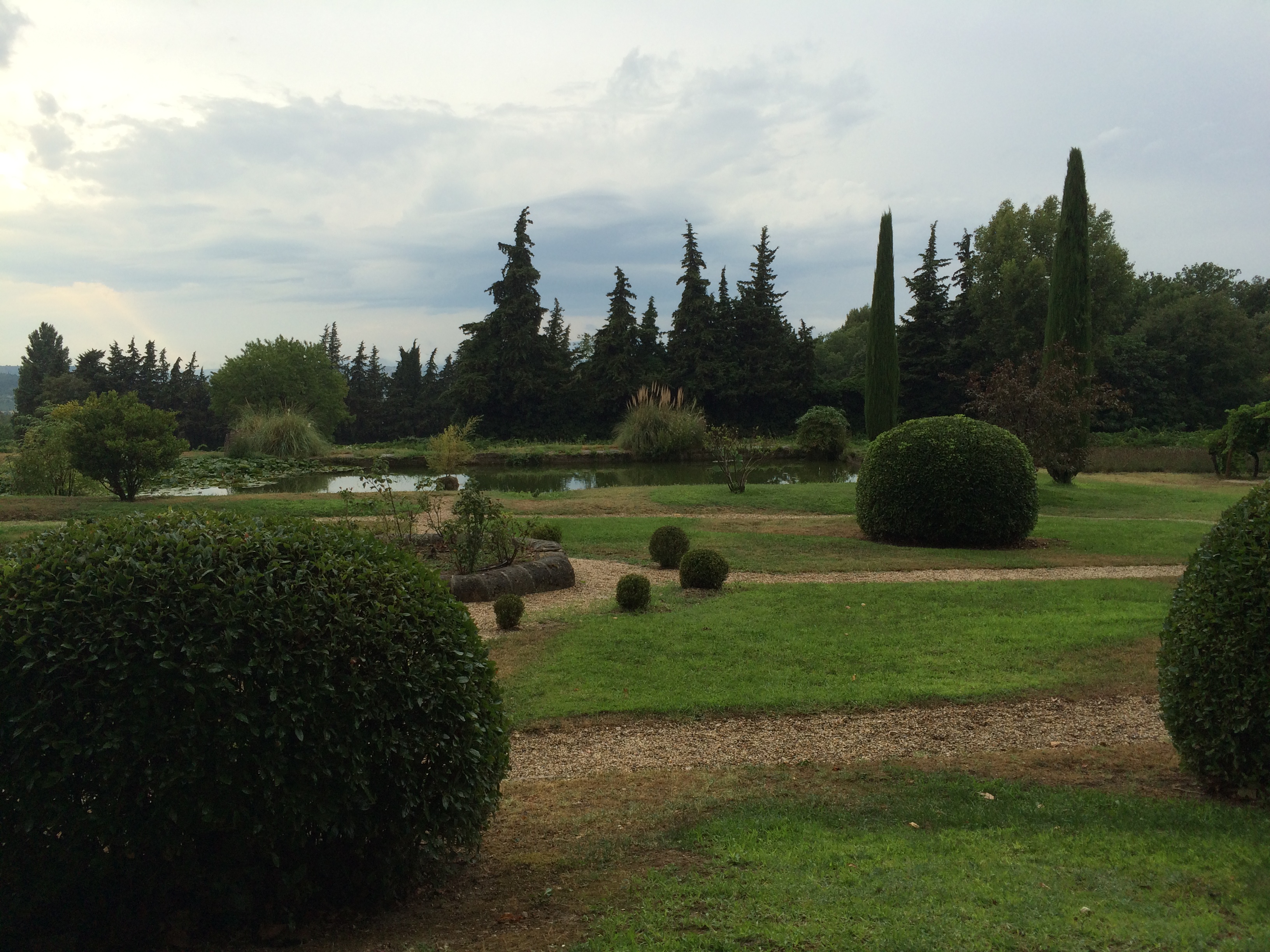
2015-08-13 19.29.39
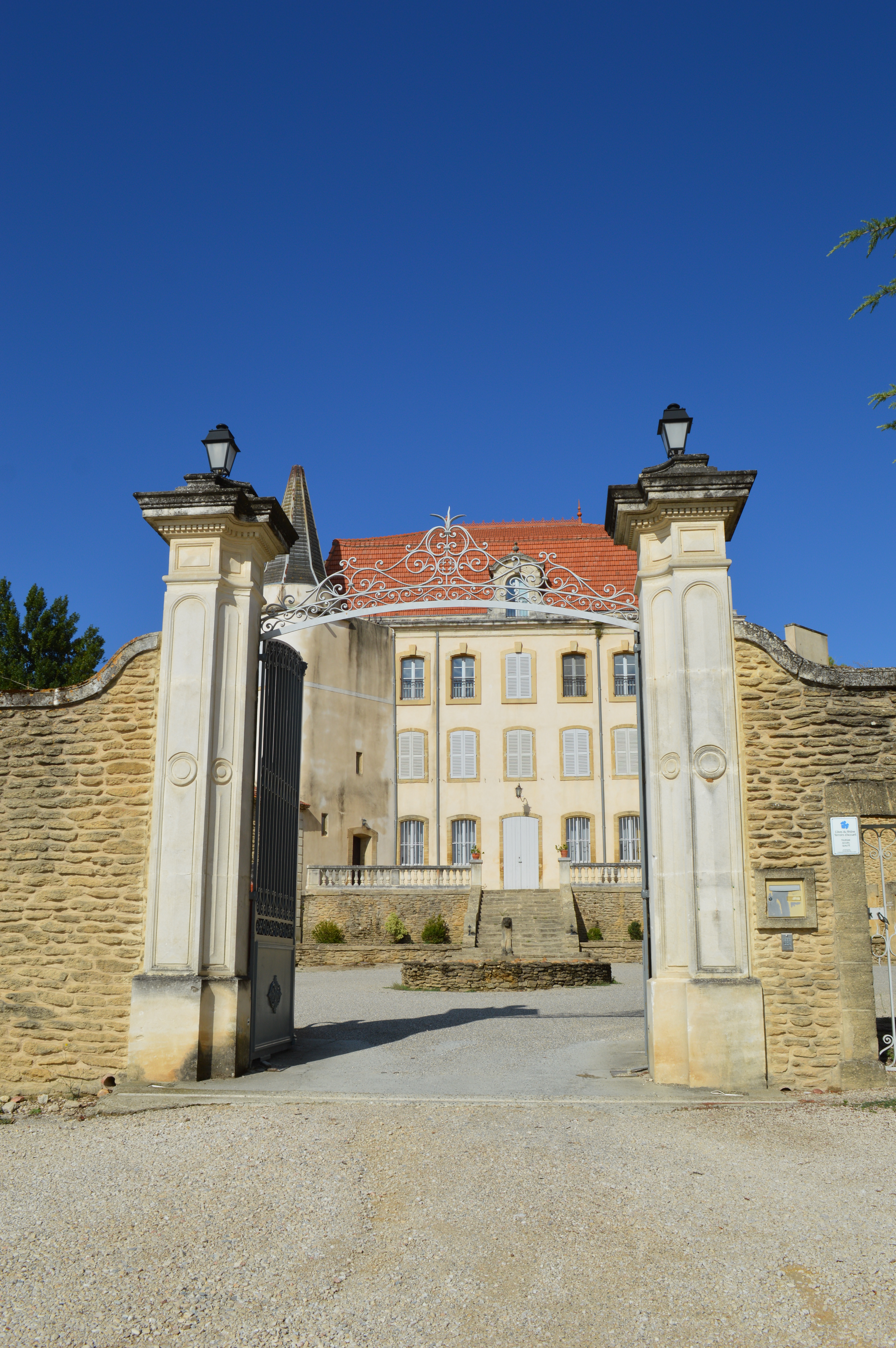
The Chateau grounds.

This beautiful property was featured in the movie “A Good Year” (A Big Year) with Russell Crowe and Marion Cotillard directed by Ridley Scott. They produce 100% organic wines (LINK) .

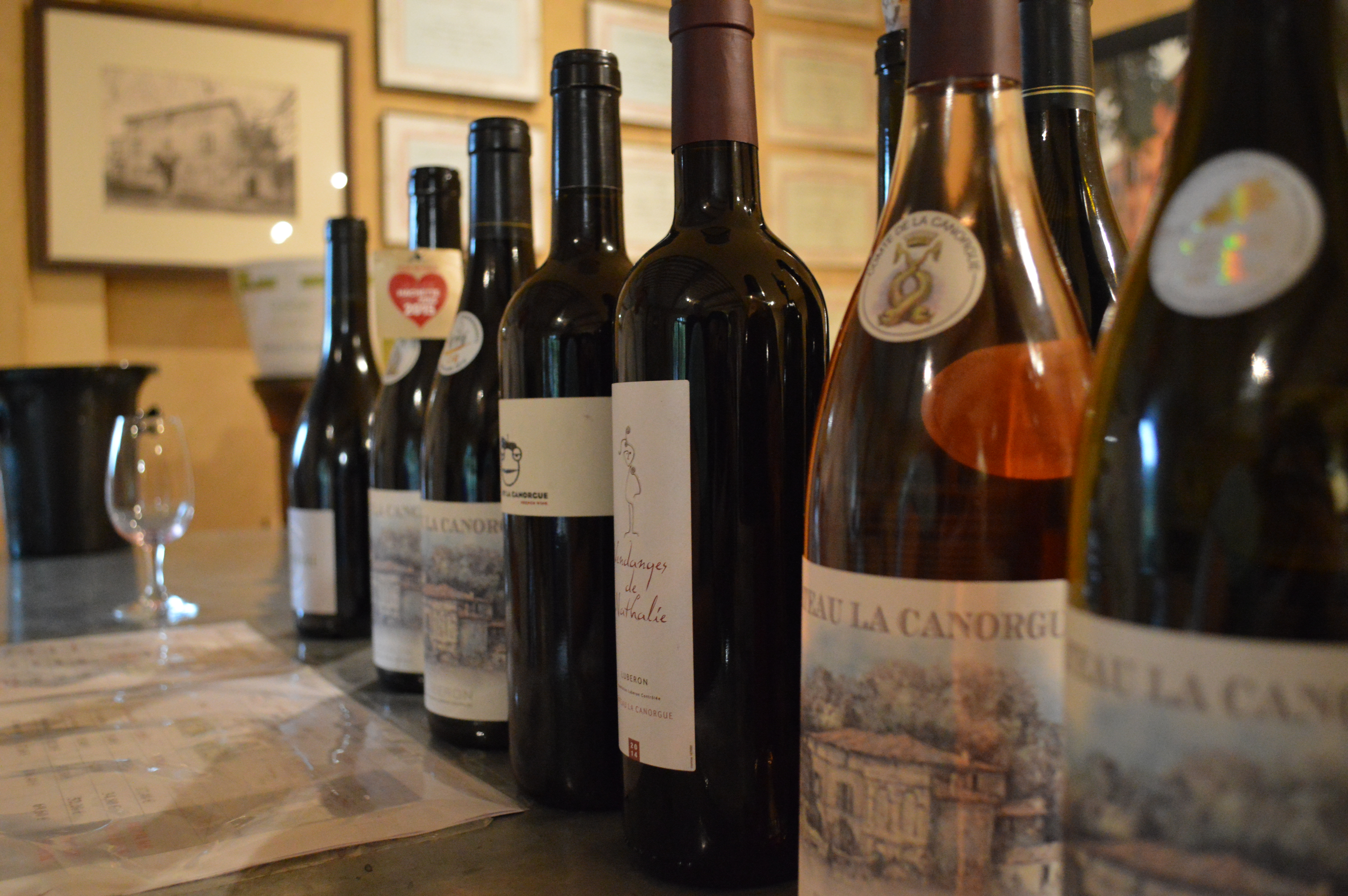
It was getting late, so we got right to a tasting of several of their wines next to a wall that contained a few dozen award certificates that the Chateau had amassed over the years.DSC_0305

2015-08-13 18.45.25

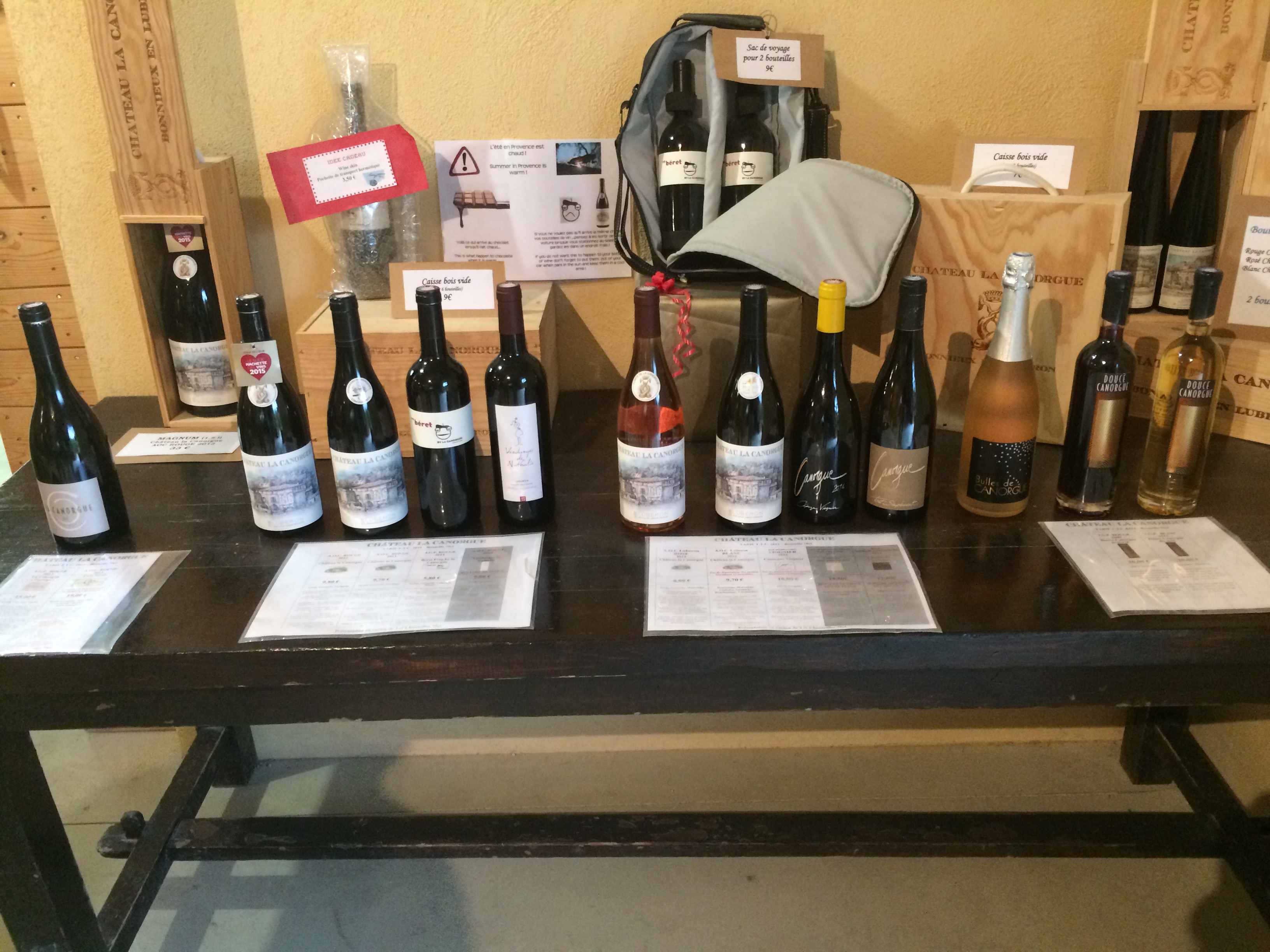
We started with their Château La Canorgue label Luberon Rosé, a blend of Grenache Blanc and Syrah. A nice, refreshing wine. 

Then we tasted their Château La Canorgue label Luberon White Blend (LINK), a winner of the Gold Medal in the 2015 Concours Général Agricole Paris. This blend of Rousanne, Marsanne, Clairette and Bourboulenc makes for a very refreshing, complex wine. An excellent white wine – something that I was coming to realize as a trait of this area in the northern reaches of Provence, normally known for the reds produced here.

Next, we tasted their La Canorgue 100% Viognier (LINK), a wine that cannot carry the Chateau label because it does not meet the AOP (formerly known as AOC) regulations for blending. Nathalie Margan said that this wine was so good as a single varietal that they just went ahead and labeled it this way. It is a very fruity and light wine that would be excellent with shellfish, and has a very pleasing, long finish.

Moving to the reds, we started with their second label, Béret Frog, a blend of Cabernet, Grenache, Merlot & Syrah that sells for about 7 euros a bottle. It is a good everyday wine, with some complexity, but is more of a table wine that would be a cut above most vin ordinaire.

Next, the Château La Canorgue label Luberon Red blend (LINK), a blend of 60% Syrah, 30% Grenache, and 10% old vine Carignan and Mourvedre. This is the flagship wine of the property. It is a first-class wine, with great structure, a nose of dark fruit and minerals, and flavor of the terroir balanced nicely with fruit and cassis, and a smooth long finish.

Finally, the 2012 La Canorgue Red, a limited production 100% Grenache. A truly delicious wine with a nice tannic structure. This small production wine is generally absent from the internet, but you can order it from their website.

We purchased 8 bottles of wine to take back to our apartment near Avignon, and headed out to explore another village or two and then have dinner back in Mazan. A great day in The Luberon Valley. If you get up this way, don’t miss Château La Canorgue, a beautiful location with some wonderful wines.

Château La Canorgue, Route du Pont Julien, 84480 Bonnieux

CHATEAUNEUF-DU-PAPE, GIGONDAS, AND CRESTET – THE BEST OF NORTHERN PROVENCE

As a wine blogger, I really like to explore the wine regions I visit. We are in the Avignon area for six weeks, and I had been itching to get to Châteauneuf-du-Pape to taste some of their fantastic wines on-site and to learn more about the culture and process of this renowned region. At the recommendation of Lauren, proprietor of the wonderful Art, Wine, and Design Shop in Villeneuve-les-Avignon, I called Valentina of MistralTour.fr and set up an all-day tour this past Friday. Dorianne and our daughter, Grace, joined us. Most of the photographs in this post were taken by Grace – here is a (LINK) to her website.

2015-08-14 18.15.59

Valentina is a delight – an Italian who lives in France and speaks perfect English; she is very vivacious and professional. She is an excellent guide.

Our tour took us to the Village of Châteauneuf-du-Pape, where we went up to the ruins of the original chateau and surveyed the beautiful countryside laced with vineyards in all directions. Along the way, Valentina talks about all things wine – she really has a good degree of knowledge and makes everything clear.  Châteauneuf-du-Pape is a storied wine region centered around the town of the same name. The AOC (LINK) allows for 18 varietals (not 13 as is commonly believed). From Wikipedia.com: “Both red and white varieties are allowed in both red and white Châteauneuf-du-Pape. There are no restrictions as to the proportion of grape varieties to be used, and unlike the case with other appellations, the allowed grape varieties are not differentiated into principal varieties and accessory varieties. Thus, it is theoretically possible to produce varietal Châteauneuf-du-Pape from any of the eighteen allowed varieties. In reality, most Châteauneuf-du-Pape wines are blends dominated by Grenache. Only one of every 16 bottles produced in the region is white wine.” 

I was unfamiliar with whites and rosés from this region, but let me tell you, there are some amazing wines here. U.S. retailers and restaurants should be getting on the bandwagon for the whites and rosés of Châteauneuf-du-Pape and  Gigondas.

DSC_0359
Chateau de Vaudieu. Side entrance.
DSC_0369
La Cave at Chateau de Vaudieu.

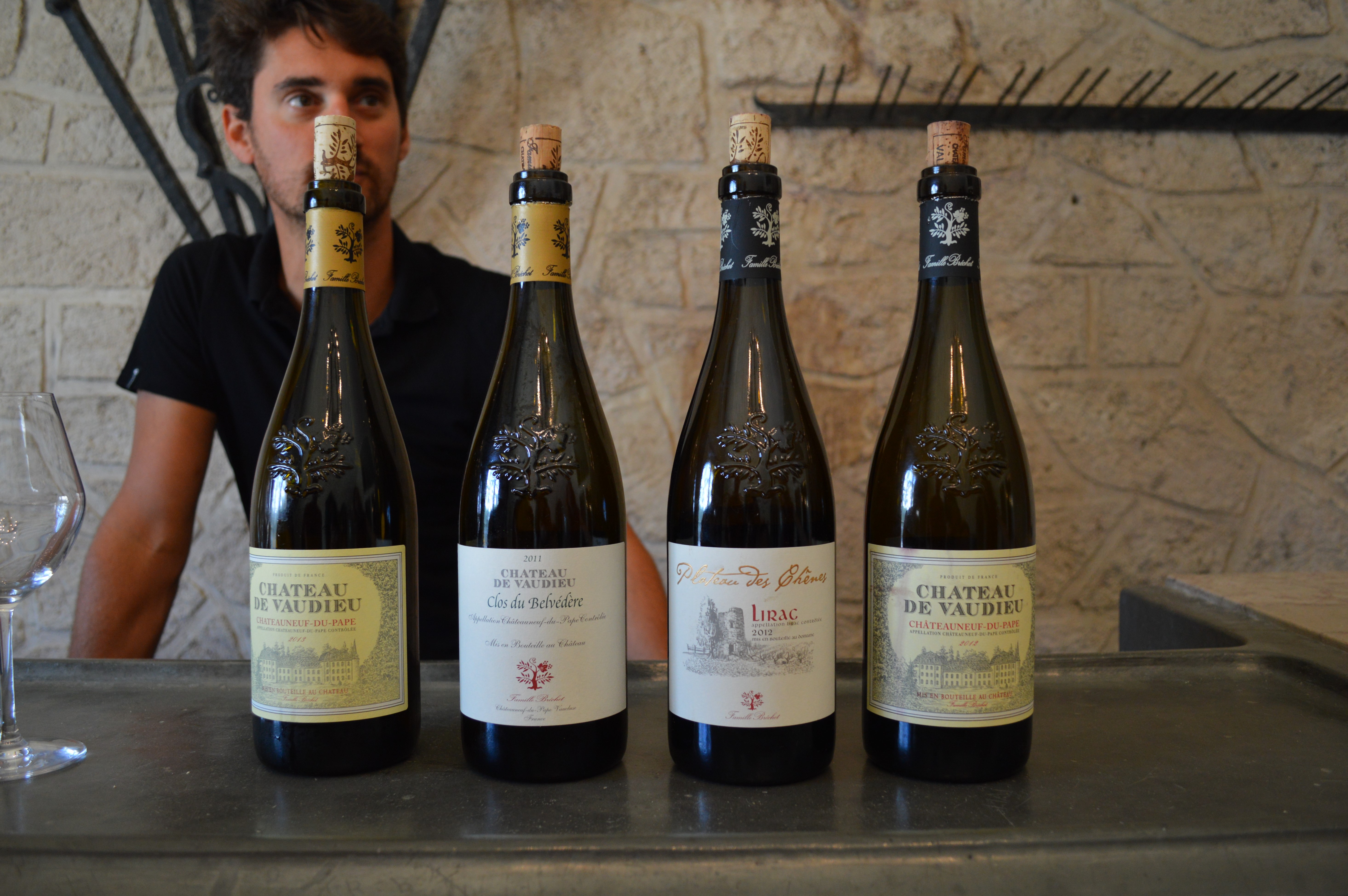
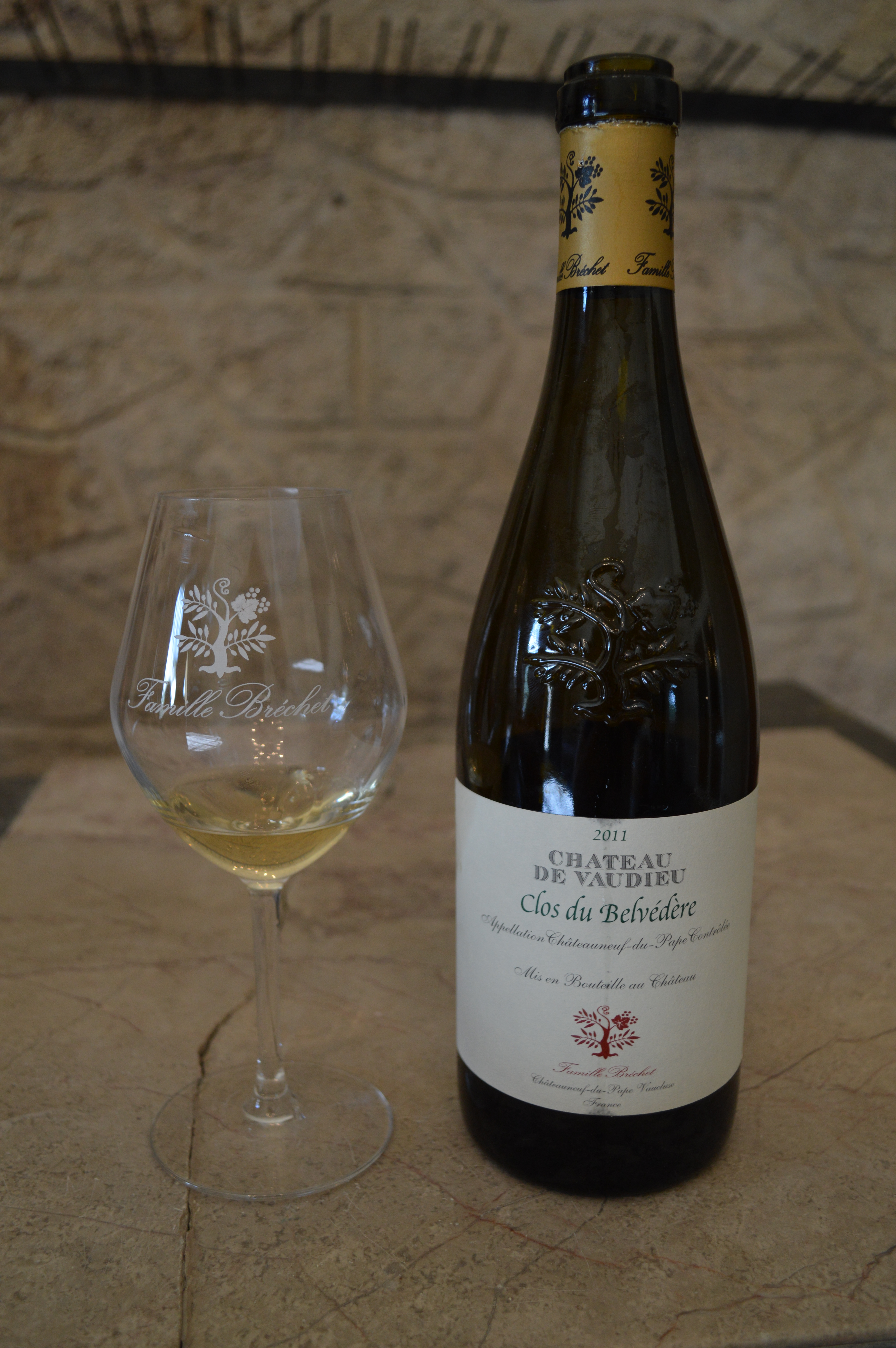
Then we drove just down the road to Chateau de Vaudieu (LINK) for a tour and a private tasting with the winemaker, Christophe. Chateau de Vaudieu dates from 1767. They have 70 hectares (173 acres) of grapes under cultivation, all around the chateau.

DSC_0372
Winemaker Christophe and his wines.
DSC_0375
A White Chateauneuf-du-Pape – whites make up 15% of Chateau de Vaudieu’s production. Grenache 75% – Roussanne 25%.
DSC_0376
Another White Chateauneuf-du-Pape – whites make up 15% of Chateau de Vaudieu’s production. 100% Grenache Blanc.

Lirac is an AOC just across the Rhône River from Châteauneuf-du-Pape. It has similar varietals and soils, and the wines are a bargain. Quite a few Châteauneuf-du-Pape growers bottle Lirac Wines.

DSC_0379
is 2012 Plateau des Red Oak , Lirac. Grenache/Syrah blend.
DSC_0380
2012 Chateau de Vaudieu Red. AOC CHATEAUNEUF DU PAPE. Grapes : Grenache 74% – Syrah 26%

Next, we went into the village to the wine shop of Domaine Durieu, where the winemaker was also present for part of our stay, then we tasted four of their wines. I should add that Châteauneuf-du-Pape wines are among the best in France. No photos here.

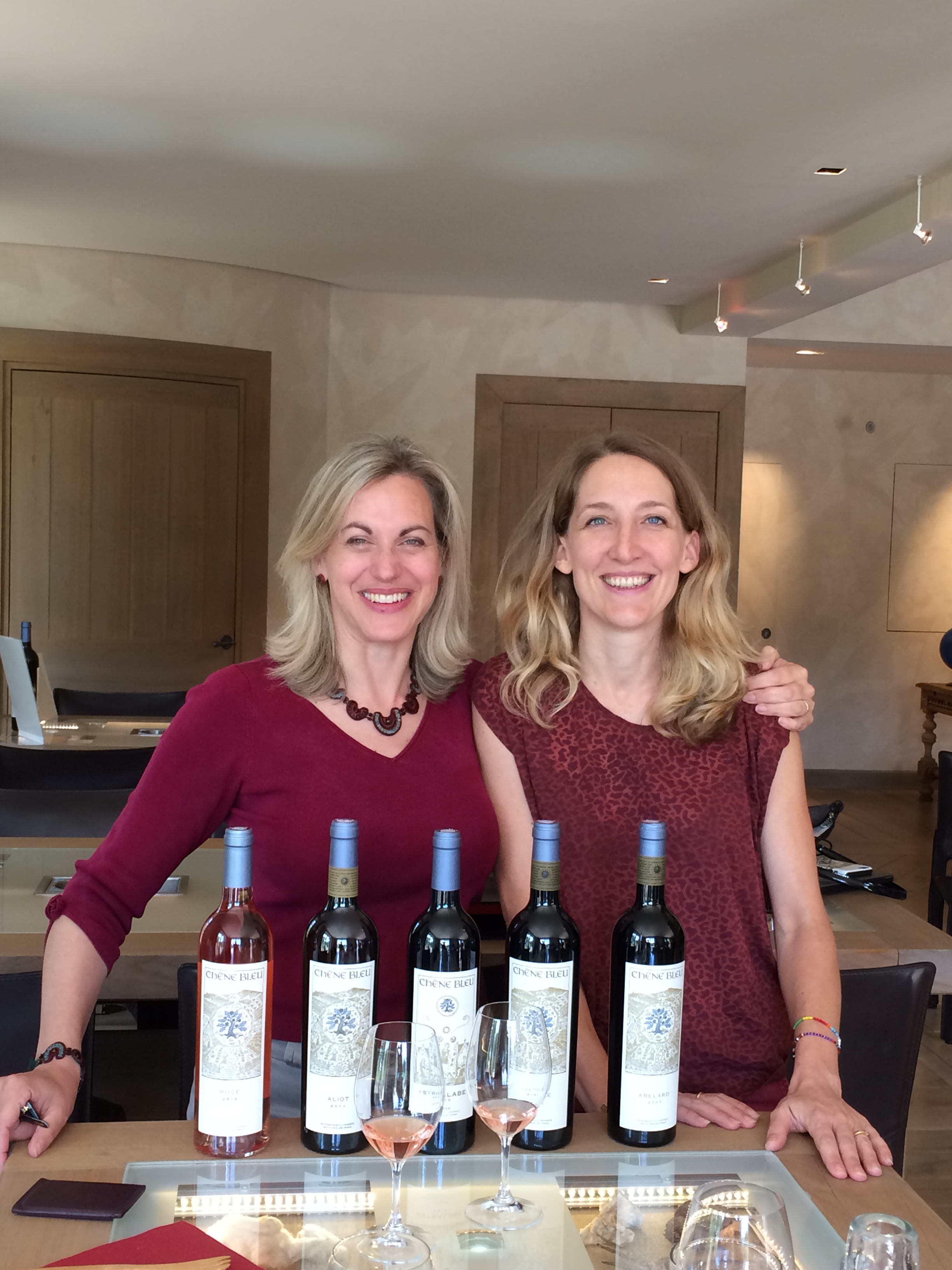
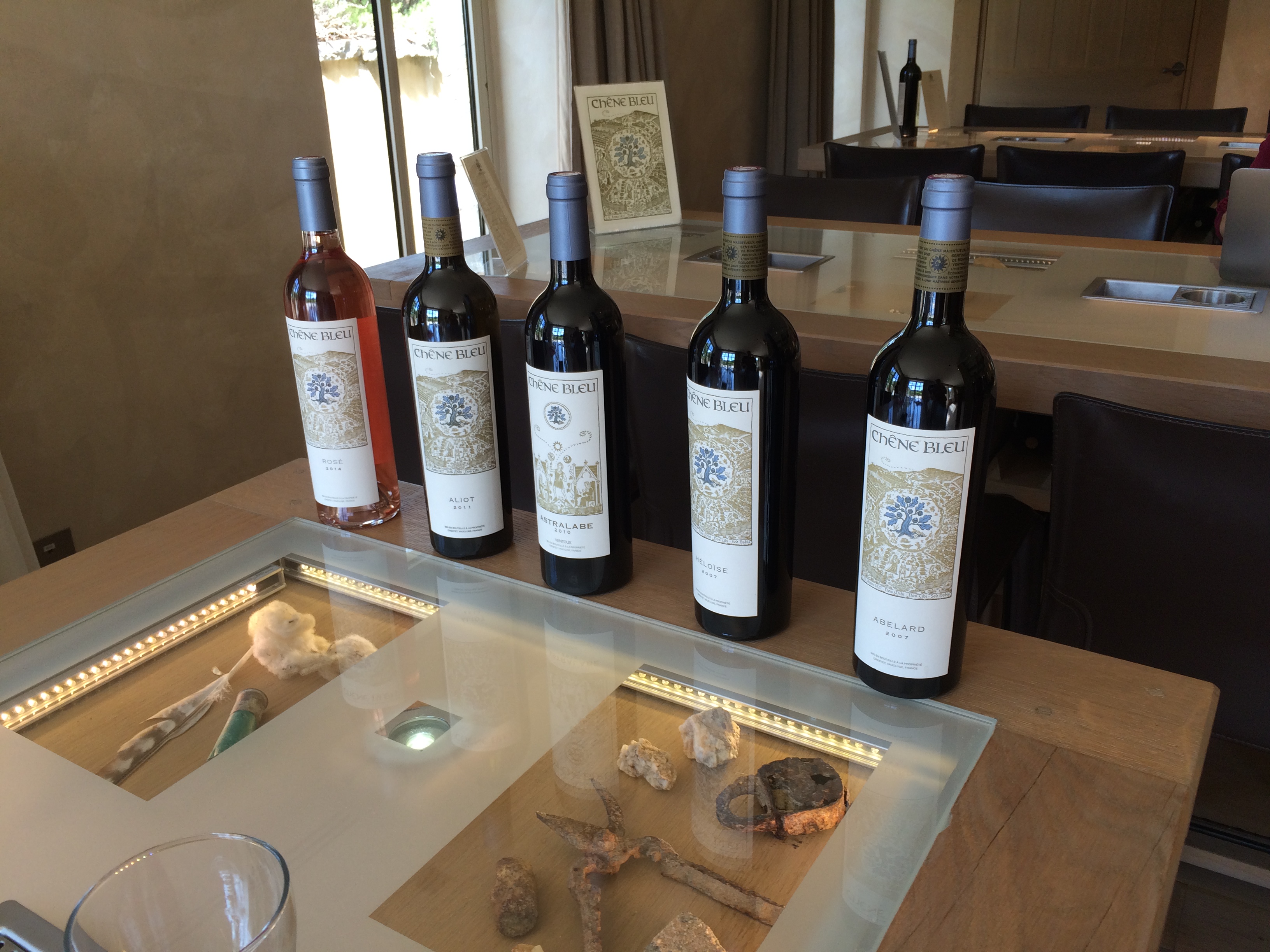
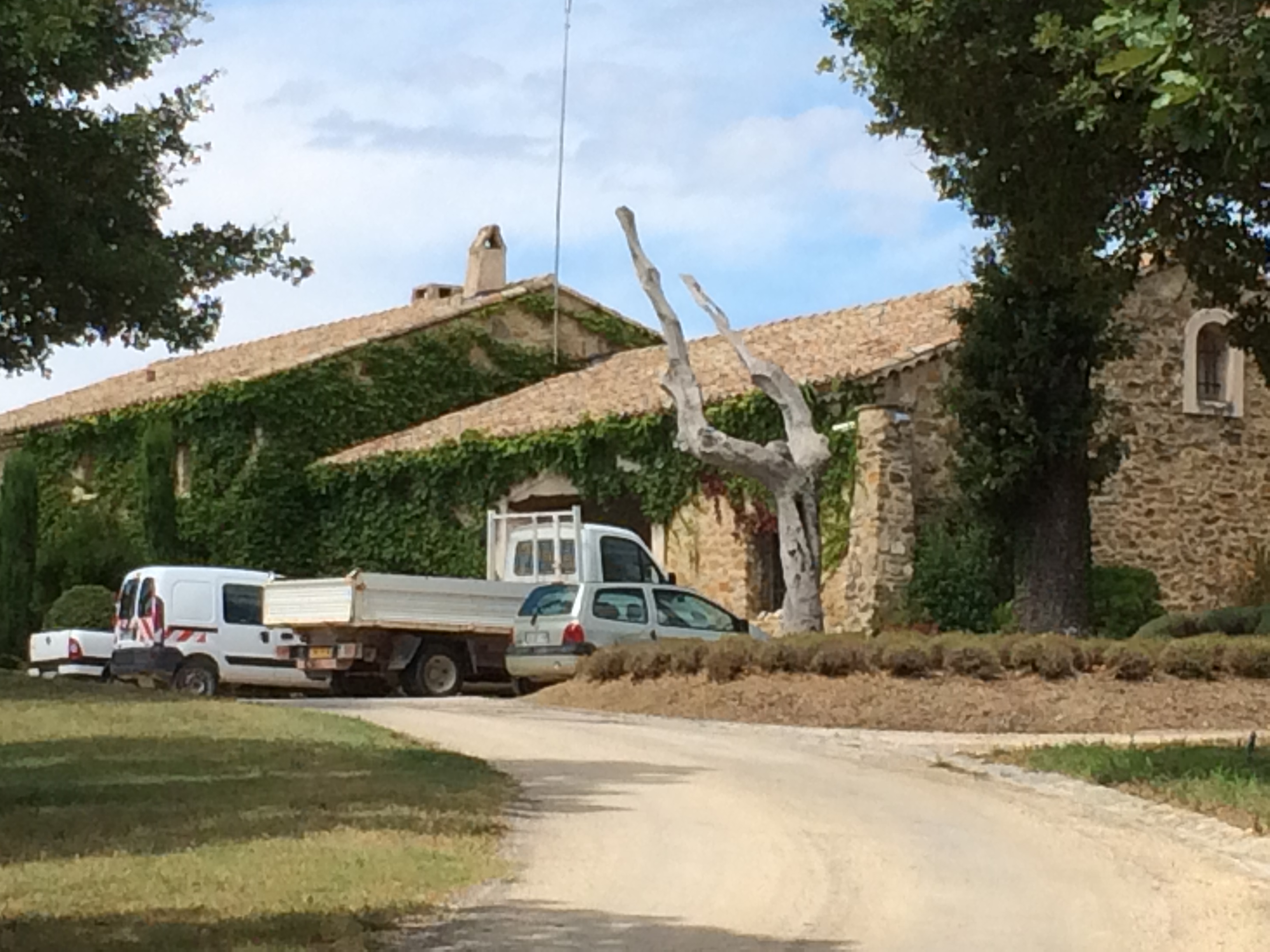
Then a long drive through he region to La Verrière, in Crestet up on a mountain, where we had a wonderful lunch, a conversation with the owner (Nicole Rolet who co-owns with her husband, Xavier) and the winemaker, and tasted the award winning Chene Bleu Rhône wines (LINK); then we had a complete tour of the facilities. This is one of the most beautiful wine estates I have ever seen in France, and after speaking with the principals, I can see why.

This team produces some excellent wines and they have created an atmosphere of success at their beautiful property. The wines were smooth, well-crafted, beautifully balanced and simply delicious. They are available in the U.S. and elsewhere, so check their website (LINK) for more information, or Google the wine names.

Note that the Chene Bleu wines are made outside of the French AOC systemNicole and Xavier felt too bound by the rules of the local AOC, so they deviated, and it has been a battle for acceptance. Of course, the wines speak for themselves and have received numerous awards and recognitions.

2015-08-14 13.22.06
Owner Nicole Rolet, our guide, Valentina, and the wines of Chêne Bleu at Domaine de la Verrière.
2015-08-14 12.44.31
The Chêne Bleu (Blue Oak) at Domaine de la Verrière – painted with copper paint.
2015-08-14 12.49.25
The wines of Domaine de la Verrière, labeled Chêne Bleu.

2015-08-14 12.45.53

2015-08-14 14.57.37
Me and the Winemaker, Jean-Luis Gallucci.

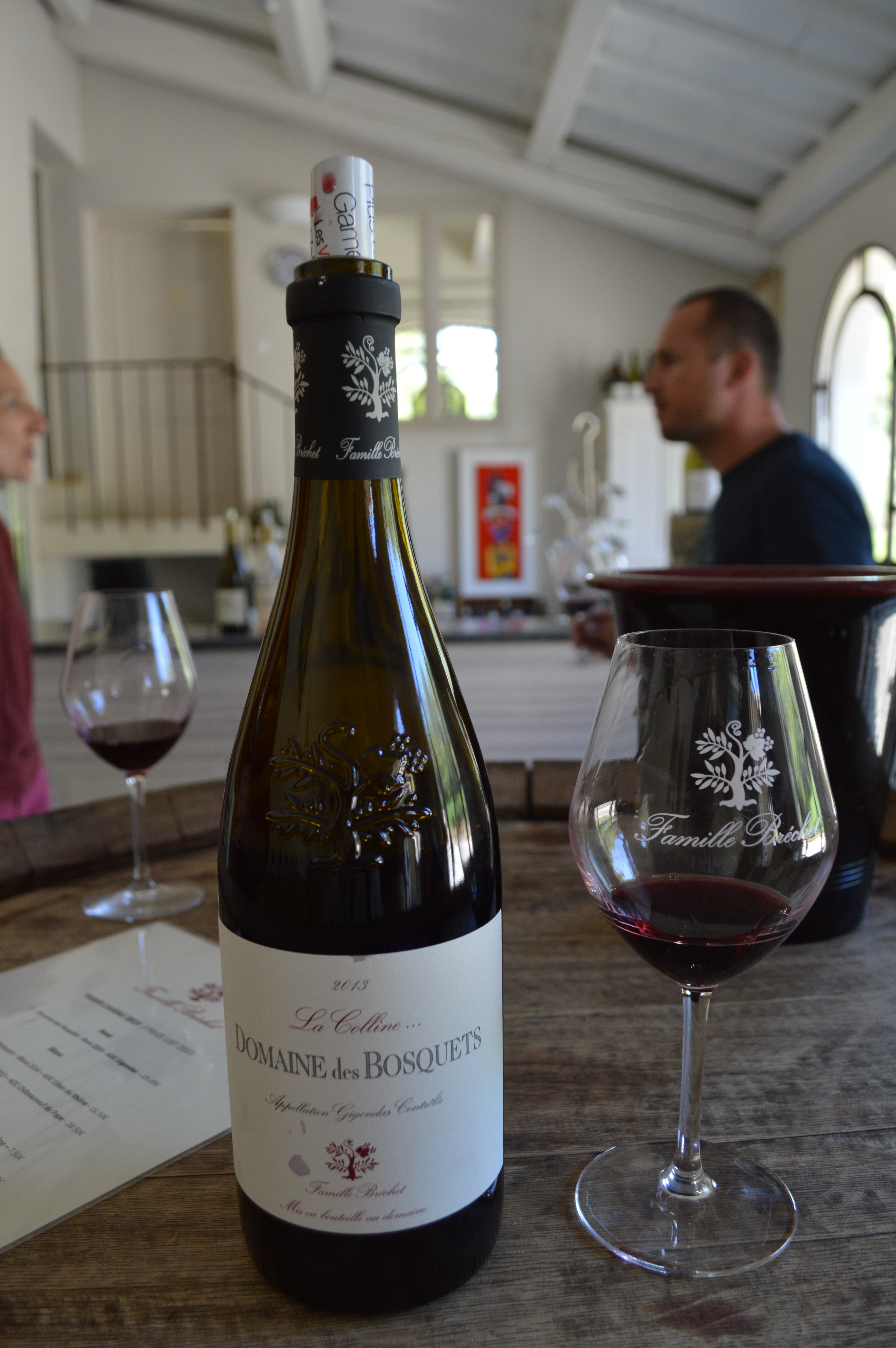
Then we were off to Gigondas, another storied region, for a tasting at Domaine des Bosquets (LINK), owned by the same family as Chateau de Veudieu. We tasted several wines with the owner/winemaker at this location as well. Winemaker Julien Bréchet hosted our tasting. The Gigondas is very similar to Châteauneuf-du-Pape, with a focus on Grenache and Syrah as the primary varietals. The main difference is the type of soil – less gravely and with more limestone and sand than Châteauneuf-du-Pape, plus a higher elevation with more verticality to the vineyards. The wines at Domaine des Bosquets were similar in style to those from Chateau de Veudieu – smooth, well-structured and elegant. The Gigondas is a great wine region.

DSC_0453
2014 Domaine des Bosquets Blanc – 80% Grenache – 20% Roussane – This white is made on the high elevation plot called “Cheval Long”. Handpicked, and vinified in oak barrels, only several cases are released.
DSC_0459
2013 Domaine des Bosquets Rouge cuvée « Le Lieu dit… » – The laying down wine from the estate’s celebrated plot, vinified and matured pure. This is a Grenache in all its splendor, in turn opulent, soft, elegant and blessed with beautiful length on the palate.
DSC_0460
2013 Domaine des Bosquets Rouge cuvée « La Colline… » – This parcel was planted into the rocks by our ancestors. It overlooks the estate and stretches as far as the edge of the Dentelles de Montmirail.
DSC_0462
2009 Domaine des Bosquets Rouge cuvée « Le Lieu dit… »
DSC_0466
Grace (our official photographer for the trip), Me, and Dorianne in the vineyard at Domaine des Bosquets

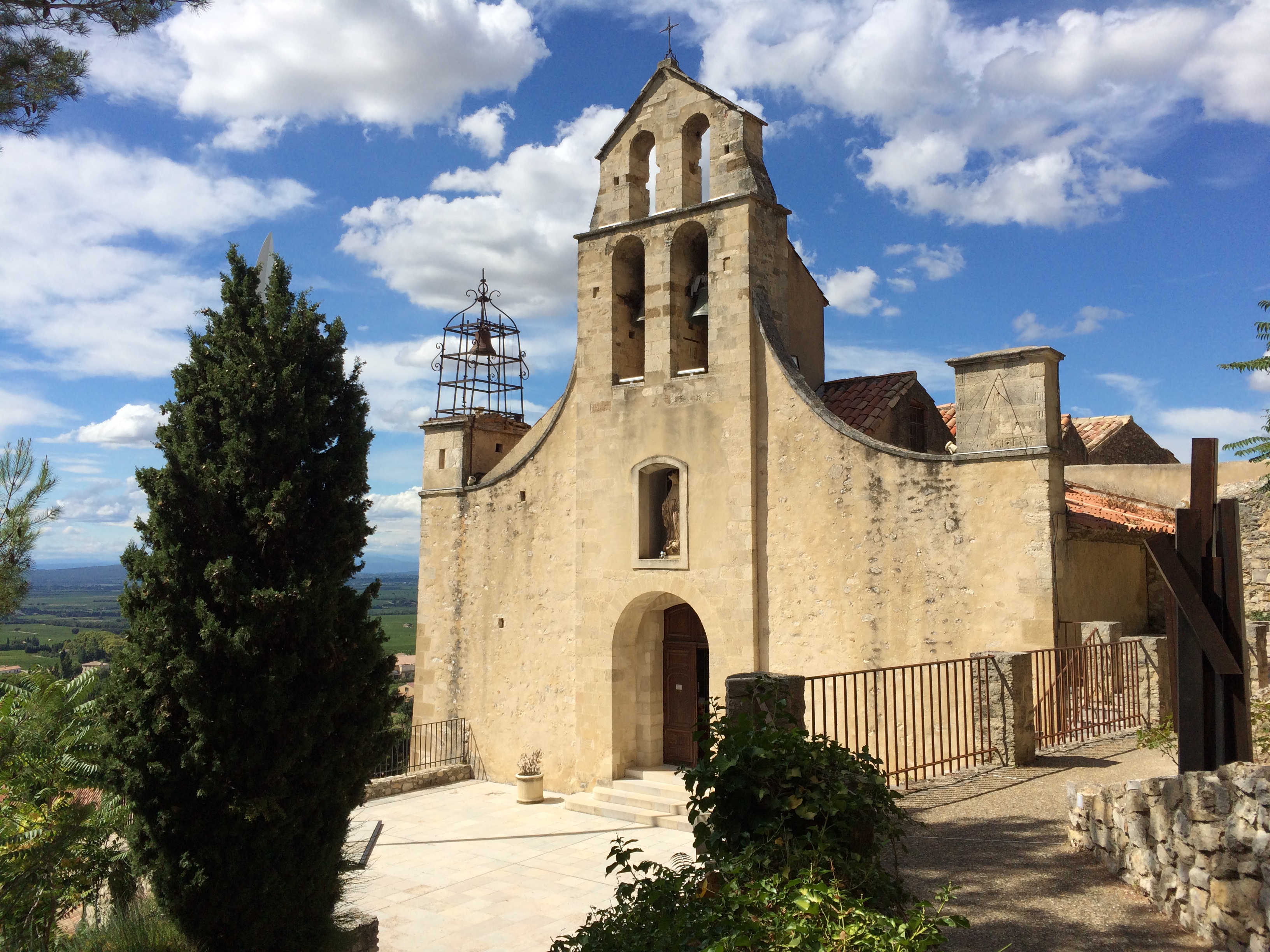
Then we explored the nearby hilltop town of Gigondas a bit before heading back to our apartment.

2015-08-14 15.42.56 2015-08-14 15.43.14
2015-08-14 15.45.27

It was an amazing day that filled my need to explore somewhat more n depth the areas we visited and to learn more about the wines. We made purchases at every stop! This is a very rich region, part of the overall Rhône Valley Region, so there is much, much more to explore. So we will have to do some more exploring on this trip, and we will have to come back.

And again, I cannot give enough praise to Valentina of MistralTour.fr (LINK) – she is a professional and makes your time together very enjoyable, while giving you as much, or as little inside information as you would like. And her prices really are a bargain.

WESTERN SONOMA – A TASTE OF THE POSSIBILITIES

The other day, I was joined by Sonic Nourishment (LINK) musicians Erika Luckett and Lisa Ferraro for a day in western Sonoma for some wine tastings and lunch. It was a perfect day weatherwise, and we began with a drive out to Iron Horse Vineyards (LINK) near Sebastopol.

Known for their sparkling and white wines, Iron Horse consists of just over 100 acres of vineyards. We opted for two tastings, with Lisa getting the sparkling wines and me getting the white wines (Erika was our designated driver). The sparklers were all well-crafted (with the exception of one that turned out to be a bad bottle – when we pointed it out to the tasting room personnel, another one was opened, which was fine). I am not a huge sparkling wine fan, but I do appreciate the bubbly from time to time, and these were all very drinkable to me. Lisa said that she was overall less impressed than on a prior visit to Iron Horse.

The whites, all Chardonnays, were equally well-crafted, especially the 2012 Rued Clone Chardonnay which was especially well-crafted with a nose of white fruit – pears and apples – with a hint of caramel. Very nice. We did not taste any of their Pinot Noirs, saving our strength for the long day ahead.

One note – the tasting notes pages at Iron Horse said nothing about the wines, only naming some suggested food pairings. Since there was no food available, I did not find this very helpful. On the other hand, the tasting room staff was very helpful and paid attention to everyone.

Next, we headed into Healdsburg (LINK) for lunch and to hit a couple of tasting rooms there.

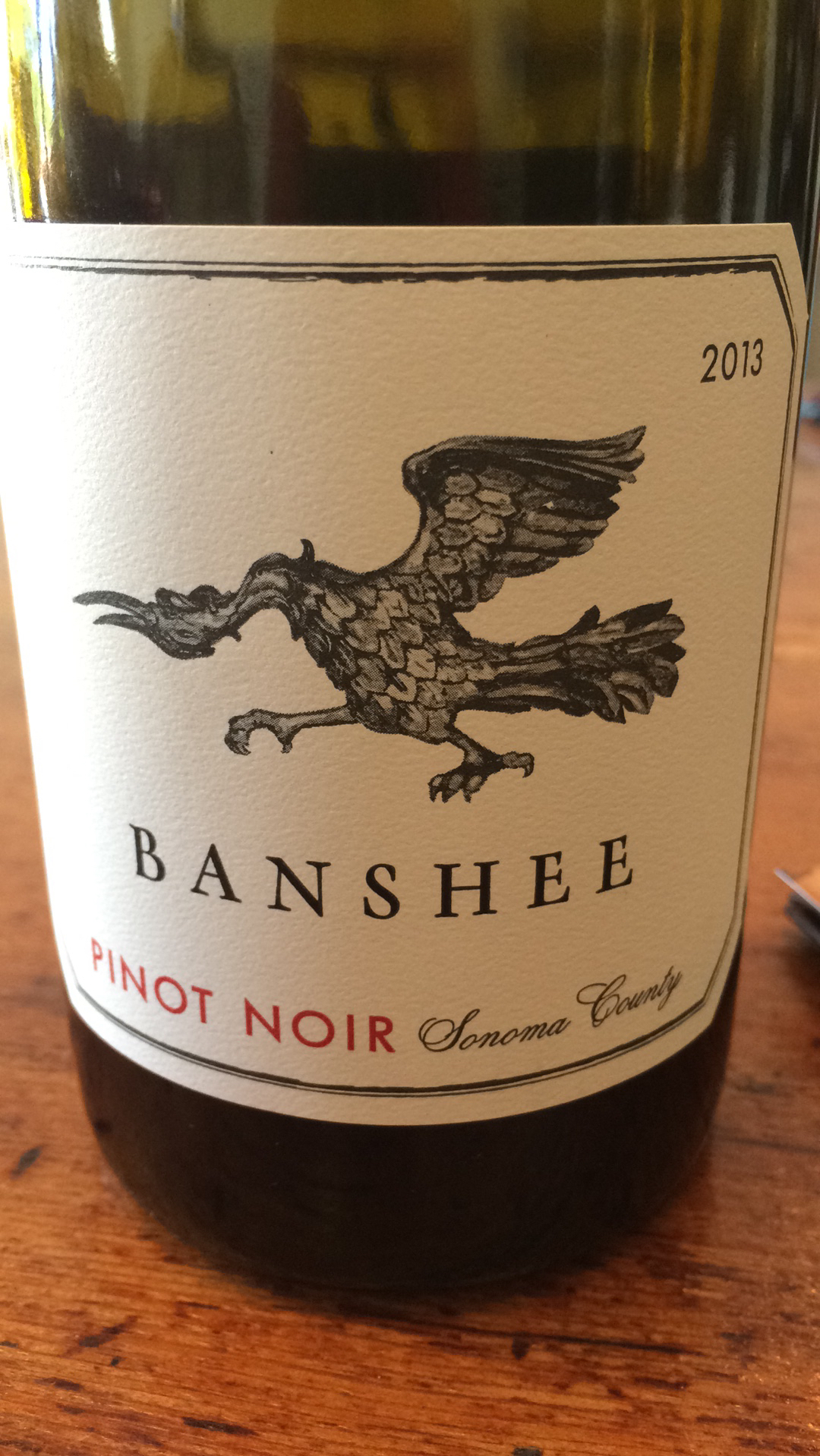
After a healthy lunch at the Oakville Grocery, we headed over to Banshee Wines (LINK), for some Chardonnay, Sauvignon Blanc, Pinot Noir, a Cabernet and a red blend. Banshee sources fruit from a number of Sonoma coastal and inland vineyards. They produce wines that are more Californian than Burgundian in style, which is not surprising. Lisa and I each did their basic tasting (there is also a reserve tasting), of three Chardonnays and two Pinot Noirs. They were all well-crafted and very good (think somewhere between oaky and stainless steel for the Chardonnays; the reds were very nice with one exception – The 2013 Mordecai Red Blend, made up of 9 varietals, had such an off-putting nose (think swampy) that neither Lisa nor I could get to the tasting. We asked the tasting room staff if this was a bad bottle, and were told that it was fine. We dumped that one.

Otherwise, the Banshee Wines that we tasted were enjoyable. Like many smaller producers in the area, their price points are a bit high for the average buyer – but if you like the wines, you will buy them.

2015-06-18 14.52.20

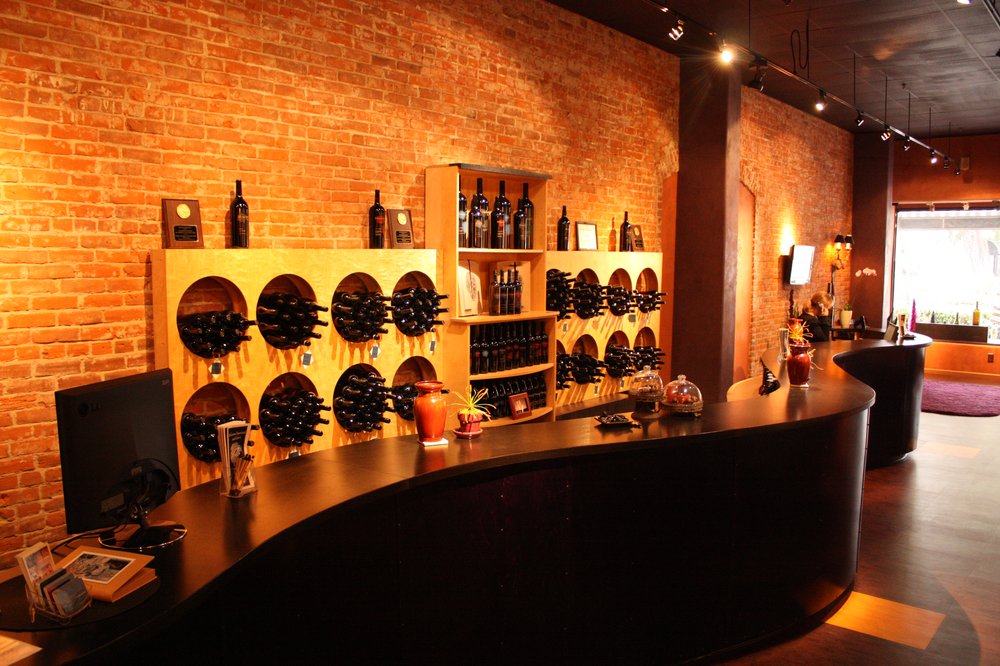
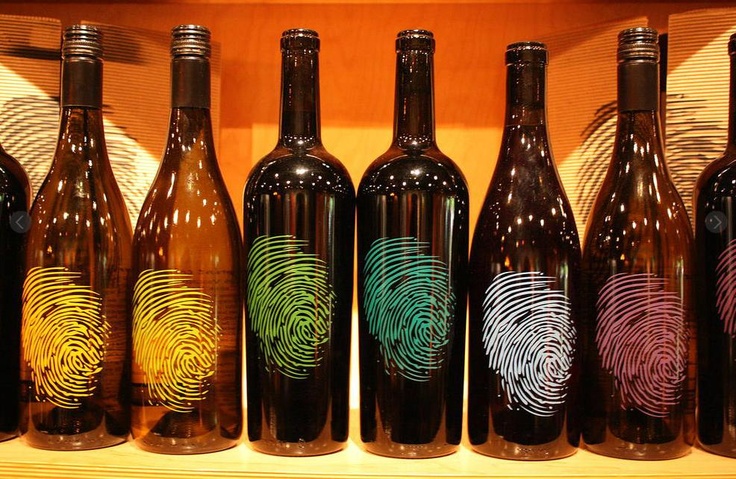
Our final stop of the day (we needed to beat the traffic back to the East Bay), was Thumbprint Cellars (LINK), whose tasting room is just off the square in Healdsburg. I had some of their wines a couple of years back, when they were regularly featured on the Wines Till Sold Out (www.WTSO.com) site, and liked them very much. When I mentioned that to the tasting room staff, I was told that those were special blends made just for WTSO at the time.

We started with their 2013 Arousal white blend of Sauvignon Blanc and Viognier, a floral nose, very rich mouth feel, and smooth finish on this one. We also tasted the 2011 Climax red blend, a mix of 44% Syrah, 26% Merlot,
20% Zinfandel, 7% Cabernet Franc, 3% Viogner
. This one is very smooth and complex (as you might imagine), but well-balanced. Very nice. I brought a bottle of this one home; so did Lisa. The 2011 Sonoma County Cabernet Sauvignon was everything you would want in a Sonoma Cab – rich, spicy, bold, and lots of dark fruit, but with an elegance that is so often missing in “big” wines.

Wine - thumbprint-cellars-wine-tasting-room
Thumbprint Cellars Tasting Room

Wine - Thumbprint - Sonoma

So that was our day in Western Sonoma. Like all such tasting outings, we had a great time and missed a lot of wineries. But that gives us something to go back for.

OPENING WINE BOTTLES WITH WAX TOP SEALS

One of my favorite wineries in California is Artiste in Los Olivos on the Central CoastBion Rice the master blender (all Artiste wines are blends) of Artiste and winemaker and manager of Sunstone Wines, puts wax seals on all Artiste bottles. A number of wineries do this, mostly for aesthetic purposes. The wax seal can also serve to prove the the wine has not been tampered with.

Some Artiste Wines
Some Artiste Wines

So how best to open a bottle with a wax seal? Many wine openers will not work with these seals because the wax gives the top too large a circumference for them to fit over the bottle top. So electric openers are out, as are some others.

Many try to chip the wax off of the bottle with a sharp knife, the tip of their corkscrew or the little knife used to remove foil coverings from the bottle. These can work, but can lead to injury, to pieces of wax flying around the room, and to an unsatisfactory result.

The best way to open these bottles is with a Waiter’s Friend or a winged corkscrew. Simply put the corkscrew through the middle of the wax top and into the cork. When it is properly seated, remove the cork as you normally would. The wax will come with it. Then, enjoy your wine!

Wine - Opening Wax Top
Opening Wax Top Bottle with Waiter’s Friend Opener.

Wine - Waiters FriendWine - Winged Corkscrew

BREAKING DOWN THE COST OF A BOTTLE OF WINE

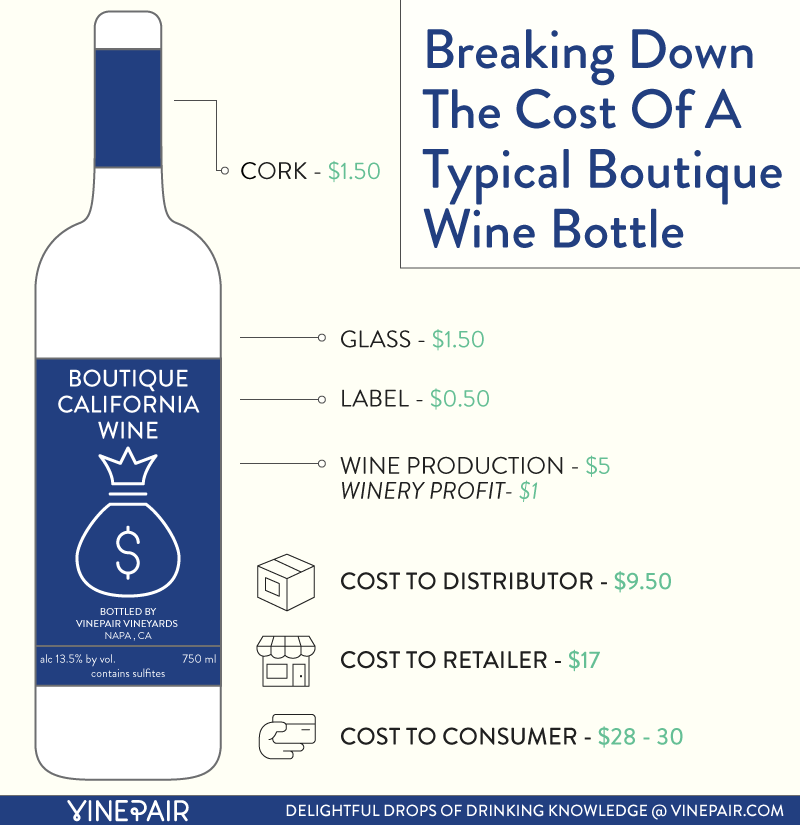
VinePair.com has posted another informative article with an excellent infographic on the cost of a bottle of wine. Here is the infographic & below are some of my comments and a link to the article.:

cost-of-a-boutique-bottle

And here is a (LINK TO ARTICLE). The article goes into greater depth about each step in the process of getting wine to you via retailers.

I find it very interesting that getting the wine to the consumer is by far the largest portion of the cost of wine. If you added in buying this wine at a restaurant, the cost to the consumer zooms to about $60 or more, as the “retail” portion would go up since restaurants typically mark up wines to twice the retail cost or more.

This also makes it more satisfying to buy wines at the winery, so that the winery makes the additional money. It is also why wine club prices are discounted, since the distributor is not in that equation.

It’s good to know where your money goes, so that you can make wise choices. There really aren’t any surprises here, except perhaps how little the wine maker gets from each bottle produced – but isn’t that the way that the economics of farming works?

NEW DIRECTIONS IN CALIFORNIA WINES?

A very good article from the NYTimes Magazine, “The Wrath of Grapes,”  describes some new wine making styles emerging in California. Interesting stuff, but my take on it is that the larger wine-buying public will still flock to the high-alcohol fruit-bombs that have become popular in California. Some wine makers are re-examining what is possible in California. Read the article for more – link below the photo.

Wine - Rajat Parr in CA
Rajat Parr in his Domaine de la Côte winery in Lompoc, Calif. Credit Damon Casarez for The New York Times

(LINK TO ARTICLE)

A GEM IN ST. EMILION – CHATEAU GUILBEAU

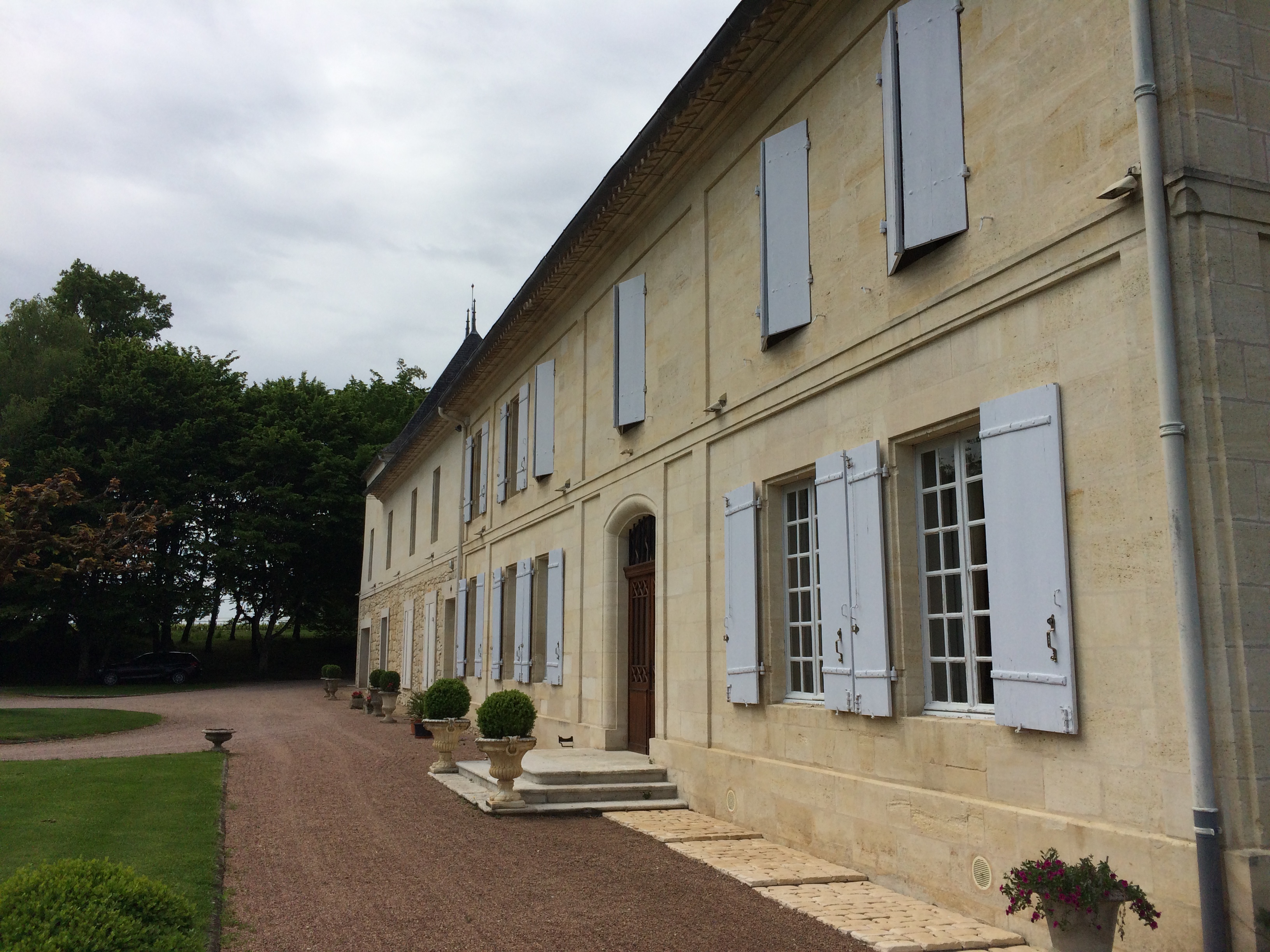
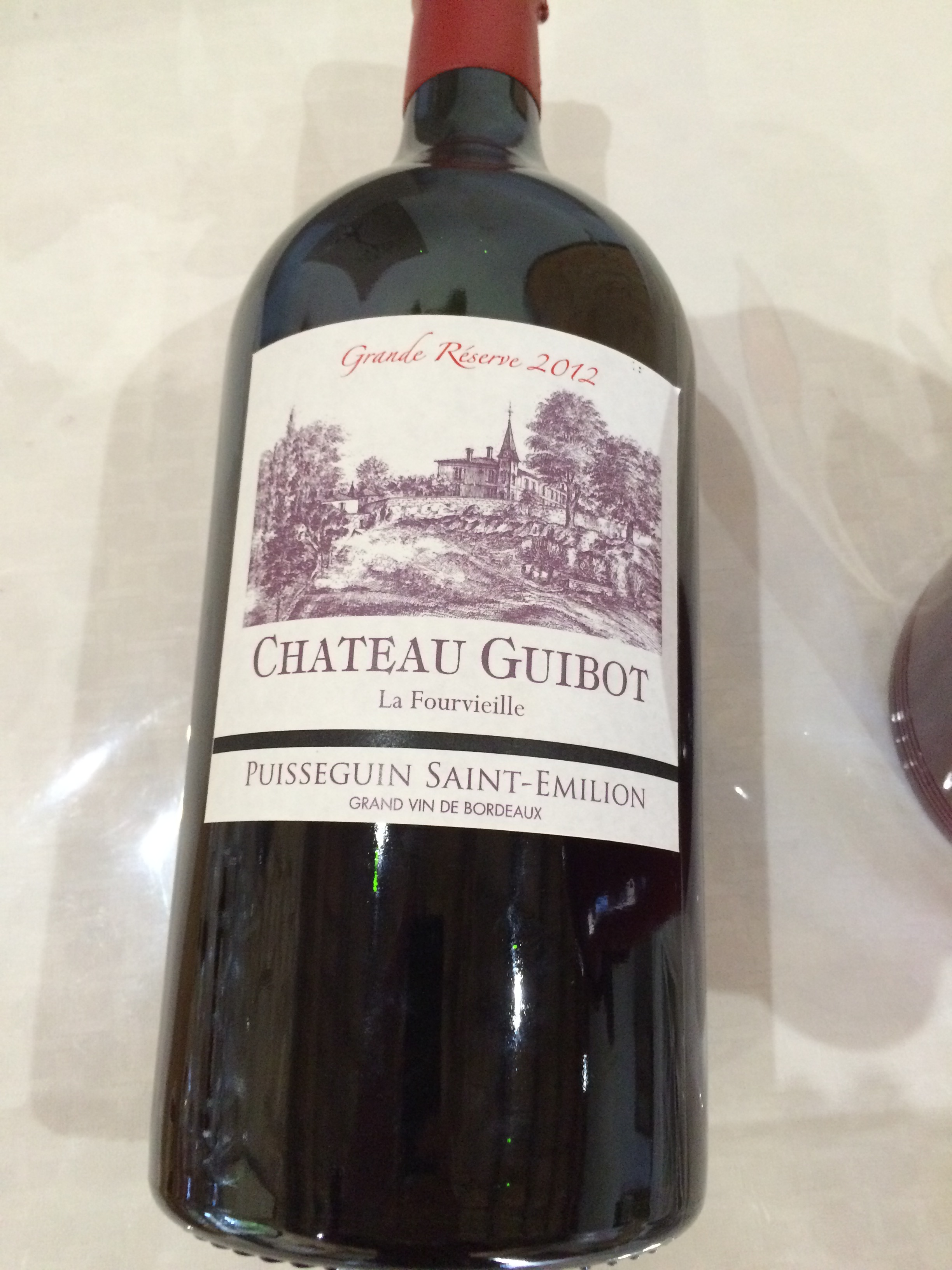
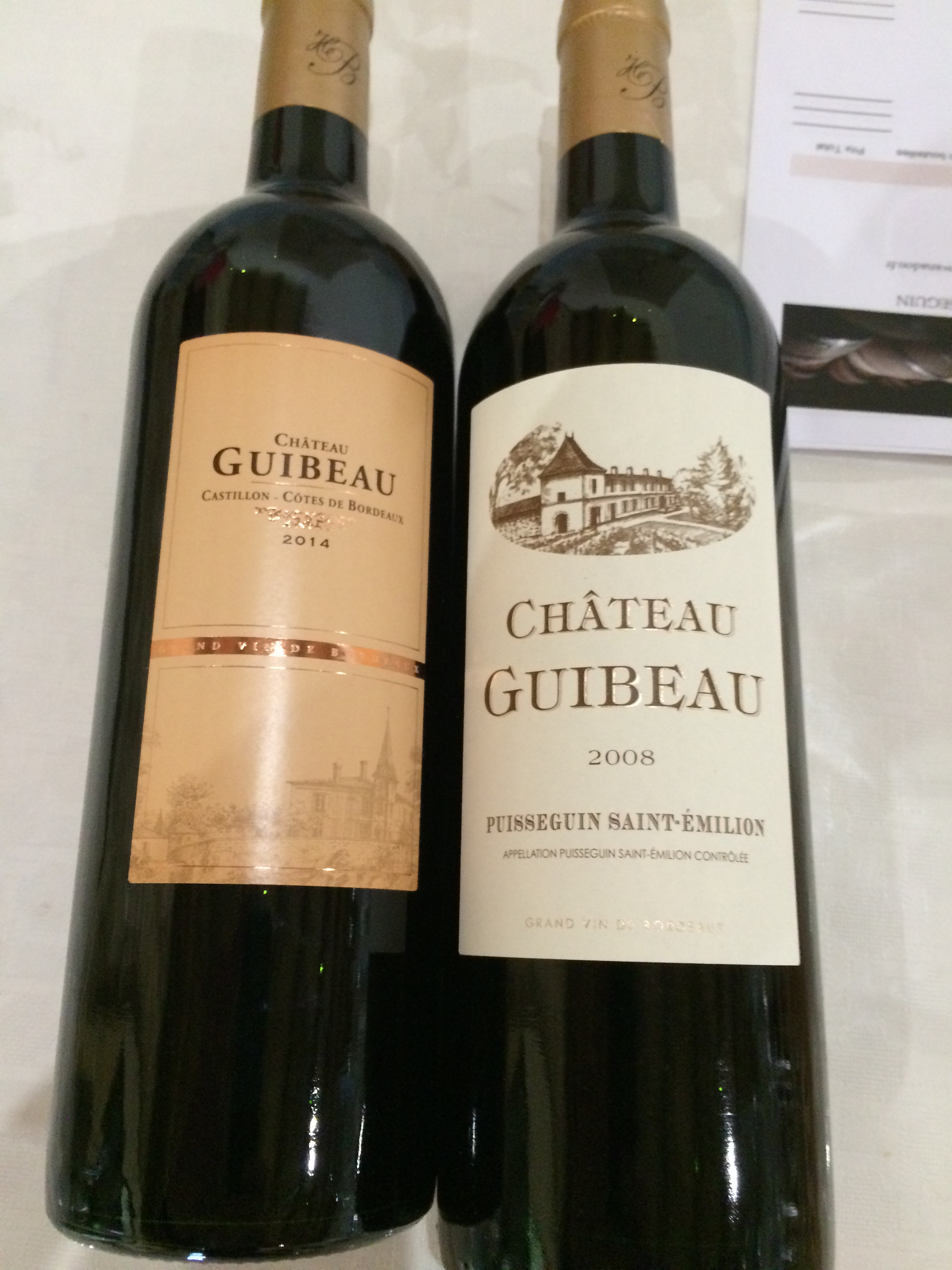
We arranged a visit to Chateau Guibeau (LINK) through a friend who is doing academic research on the vineyard and winery. After some pleasant email exchanges with Brigitte Destouet Bourlon and her husband, Eric, the co-owners, we visited last Thursday. Eric focuses on the vineyards, Brigitte on the marketing, and they collaborate on the wine making. The vineyard is actually the combination of properties of two families united in marriage a couple of generations ago, Chateau Guibeau and Guibot The Fourvieille. Wines are made under both labels today.

2015-05-07 13.29.43 2015-05-07 14.08.47 2015-05-07 14.08.55

Located in the St. Emilion (LINK), area, the property and its chateau overlook a beautiful valley and Puisseguin, the village below.

The vineyard of 41 hectares (101 acres), planted with Merlot (75%), Cabernet Franc and Cabernet Sauvignon is located in the town of Puisseguin (LINK), in the Bordeaux Region.

2015-05-07 16.02.08 2015-05-07 16.02.12 2015-05-07 16.02.17

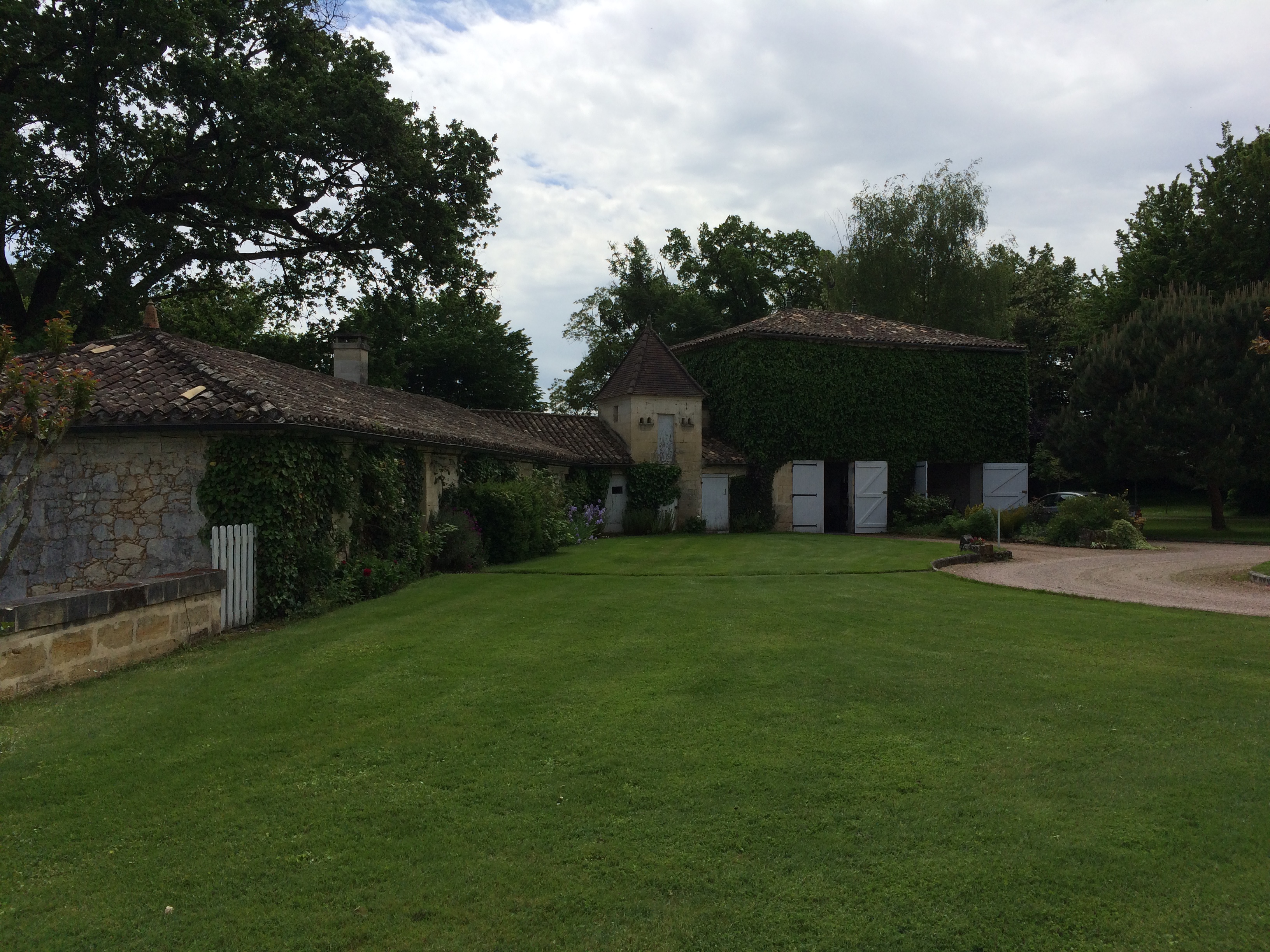
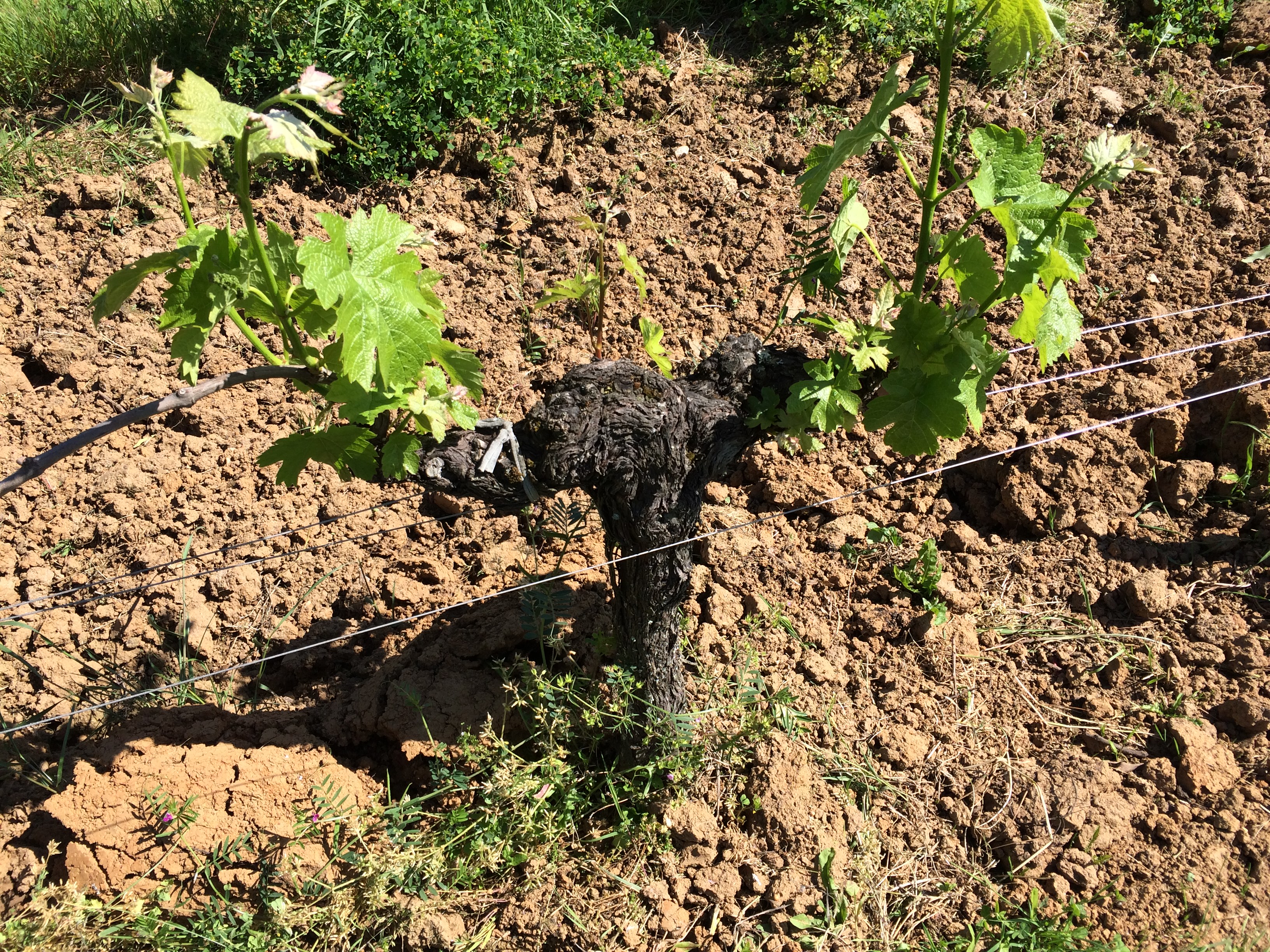
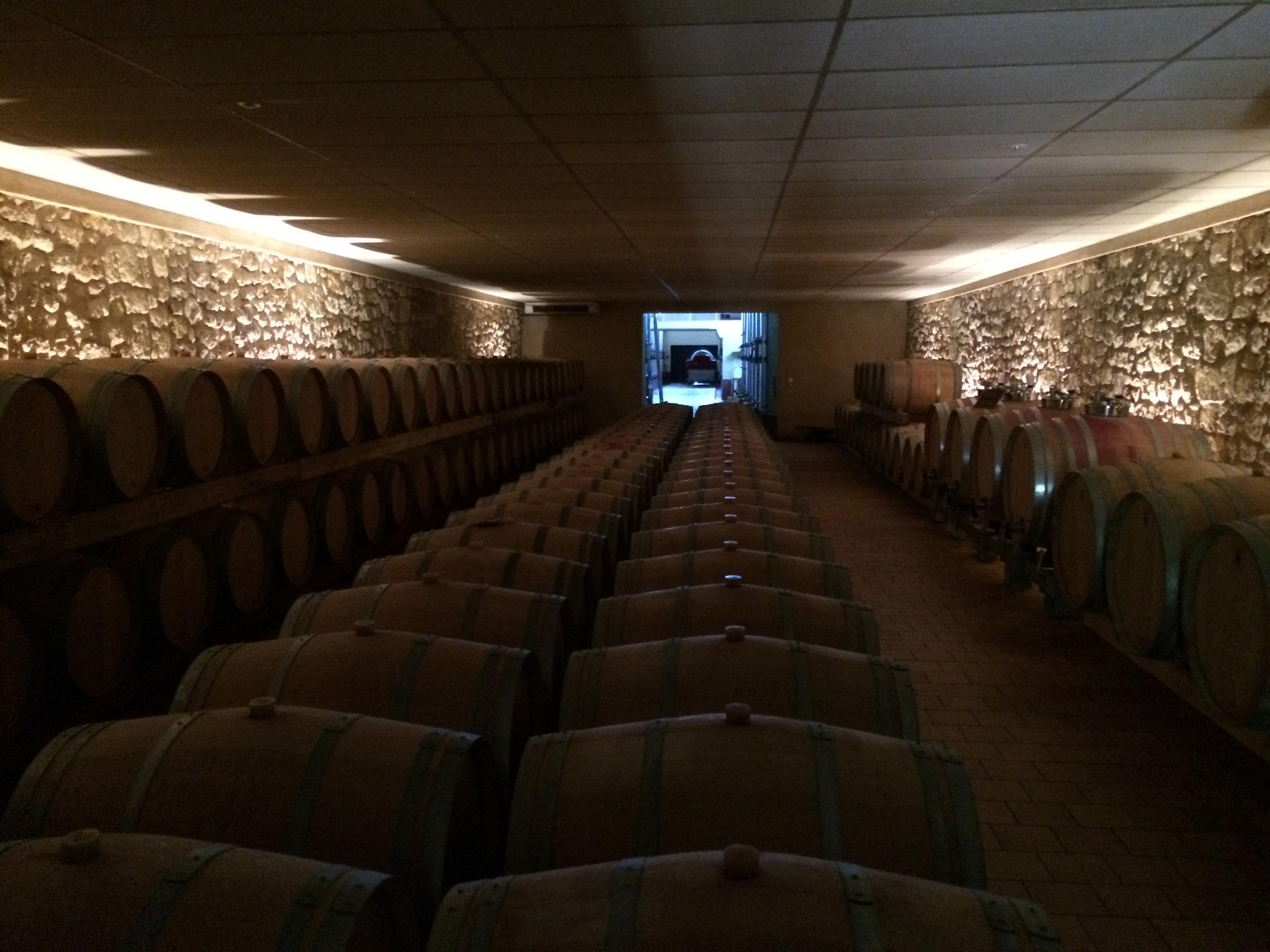
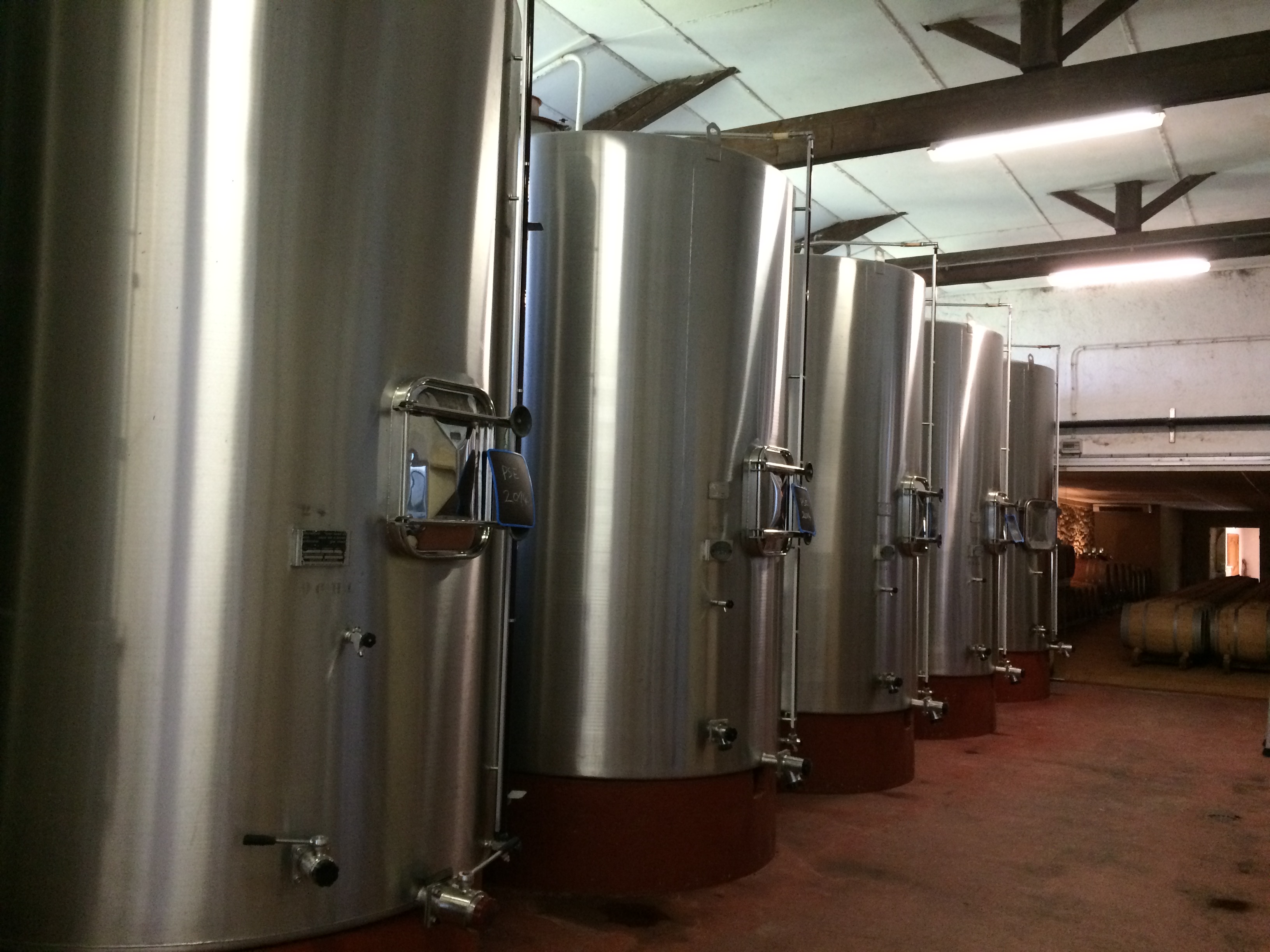
We walked around the beautiful grounds, toured the barrel room and the wine making areas, with the vast fermentation vats, did some tasting, then got a tour of the vineyard with Eric. They have been converting to a fully-organic vineyard over the past five years, and have their first vintages under that regimen produced. This required quite a bit more work for them in the vineyards, but they feel that it is worth it for environmental and health reasons.

2015-05-07 15.11.51
A special barrel design to aid in-barrel fermentation. This one is Merlot.

2015-05-07 15.10.52 2015-05-07 15.16.22

The wines that they produce at the Chateau are all reds – mostly Merlot, as it the case with most Right Bank producers in Bordeaux. The blends vary from year to year, but normally have at least 70% Merlot with lesser amounts of Cabernet Franc and Cabernet Sauvignon. Their 2012 Chateau Guibeau (LINK) blend is 80-10-10.

2015-05-07 15.24.34 2015-05-07 15.24.42

2015-05-12 21.16.10

The Chateau Gibeau that we tasted, the 2012, shows great promise – it has a good balance, moderate tannins, a nice sense of dark fruit and a hint of minerality. It should improve with age. The 2008 Chateau Guibot La Fourvielle Puisseguin Saint-Emilion (LINK) was a revelation. This 85% Merlot, 15% Cabernet Franc beauty is rich with dark fruit, moderate tannins and acidity, and an underlying minerality that strikes both the nose and the palate in a very nice way. This wine should age well, but is ready to drink now. We bought several bottles to bring to the states, but two have disappeared so far on our journey home.

2015-05-07 15.28.28
Jim and Brigitte Destouet Bourlon in the Chateau Guilbeau tasting room.

There is also a guest house to rent on the Chateau property – here is the (LINK).

This is a very good house, doing very good things – look for their wines and visit when you are in Bordeaux.

CLOS PEPE ESTATE WINES WILL BE MADE NO MORE

In an announcement to his mailing list and via his website, Wes Hagen, Vineyard Manager and Winemaker at Clos Pepe Estates in the Santa Rita Hills AVA, announced that the vineyard and operations have been leased to Hall/Walt Wines of Saint Helena, CA. (LINK TO WEB PAGE)

The 2014 Vintage will be the last for Clos Pepe Estate Wines and for their secondary label, Axis Mundi. Wes Hagen and his wife will move from the vineyard property and he will be looking for other opportunities in the Central Coast of California.

I have been a particular fan of Wes Hagen, his wines, his wine making, and his personality and depth of knowledge about all things wine. He is as much a philosopher as a wine maker. He has been a pioneer in the Burgundian style so prevalent in the Santa Rita Hills, and a leader in establishing the AVA designation there.

Clos Pepe Estate Wines will be missed.

2014-03-15 17.28.41
Jim Lockard and Wes Hagen at a Clos Pepe Estates Wine Tasting Event in Newbury Park, CA in 2014.

FREIXENET CAVA (Sparkling Wine) – THE GOOD STUFF

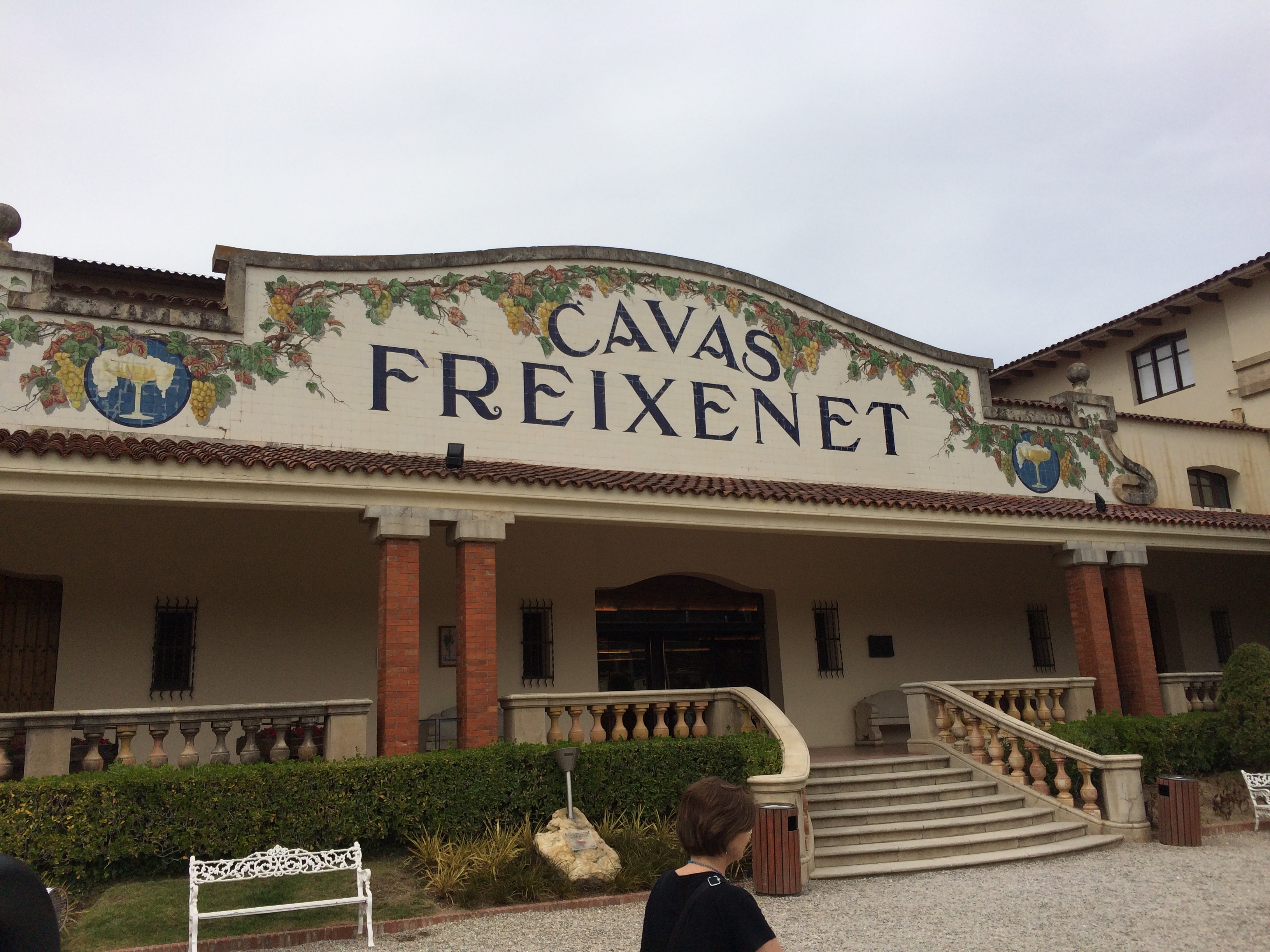
During our recent visit to the Penedès DO near Barcelona, we also visited the legendary Cava producer, Freixenet (LINK). Known in America mostly as a producer of very cheap sparkling wine suitable for college parties and sports celebrations (where most of the wine is shot out of the bottle), it is often hard for U.S. consumers to imagine high-end Freixenet Cavas. But that is what we had during our visit to the winery.

2015-04-15 16.18.12 2015-04-15 16.19.40

Cava (LINK) is the Spanish sparkling wine, similar in processing to French Champagne, but using different grapes and the name “Cava” is not limited to a specific geographic region or appellation. The primary grapes used in Cava are:

  • Macabeu (white)
  • Parellada (white)
  • Xarel·lo (white)

Other grapes:

  • Chardonnay (white)
  • Pinot Noir (red)
  • Garnacha (red)
  • Monastrell (red)

Freixenet uses the first three almost exclusively.

We did not do a tour of the extensive facility (90 million bottles per year) in Sant Sadurní d’Anoia. We went right to the tasting room, after wandering around a bit and seeing some of the marketing vehicles the winery has used over the years and some of the “art” on display in the main building.

2015-04-15 16.17.50 2015-04-15 16.18.08 2015-04-15 16.18.16

The tasting room is in the 3rd floor of a large production building that has a large gift shop on the first floor where you can get your “inexpensive” black bottle of Freixenet  that you remember from your formative years, along with lots of other things. The tasting room is large and well appointed – and handled a tour group of about 50 young people easily while we were there.

2015-04-15 16.37.25 2015-04-15 16.37.28

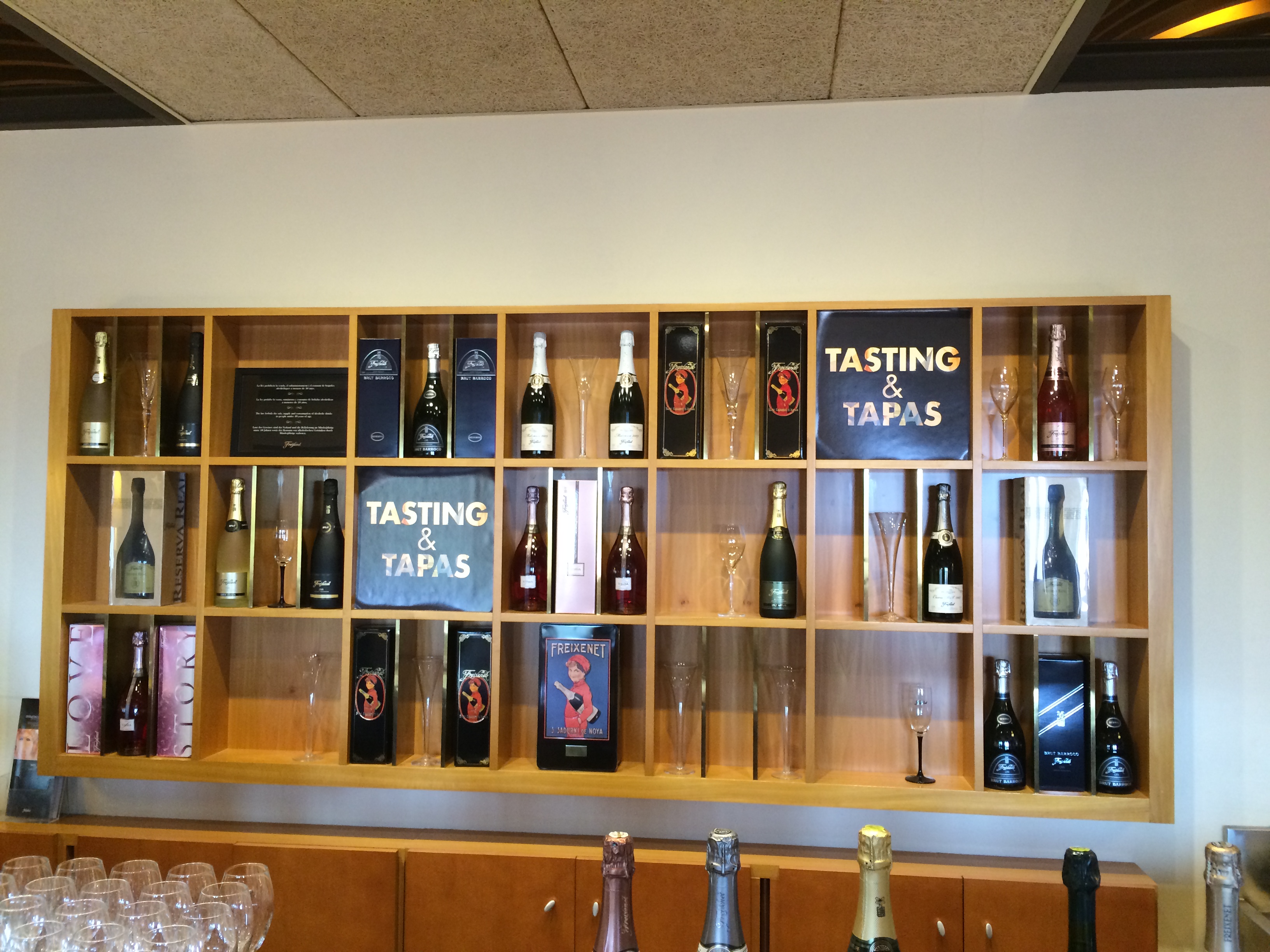
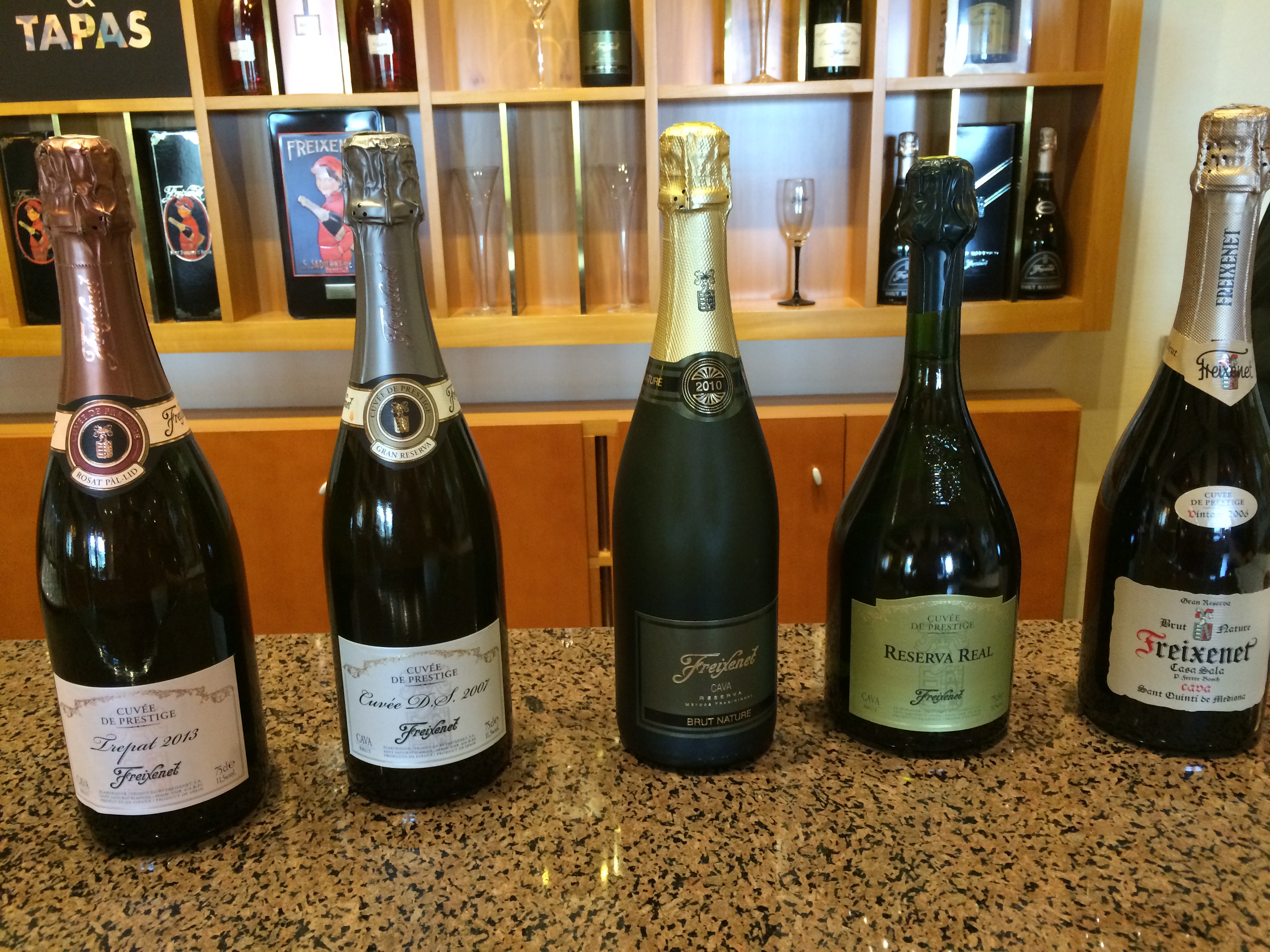
We opted to taste four wines from the Cuevèe Prestige Collection, their higher end cavas, and one, the Brut Nature Reserva 2009, that is the favorite of the locals in Spain. Now, Dorianne is more of a sparkling wine fan than I am, and she was the driving force behind our visit – having many fond, if foggy, memories of evenings where that black bottle played a role. But I was game, so we tasted.

2015-04-15 16.39.14 2015-04-15 16.48.47

We began with the Trepat 2013, a Blanc de noirs” style cava, that is a single vineyard wine – rare in this business. The wine was sharp, tart, and had a very strong degree of carbonation. This would be a great wine with a ripe cheese.

Next, we tasted the Cuvèe DS 2007 Gran Reserva, using Macabeo, Xarel•lo and Parellada grapes. It is only produced when the harvest is very good. This wine was more balanced than the Trepat and had a nice sense of fruit and not too much sugar. 

Then, the Brut Nature Reserva 2009, the cava that sells the best in Spain (according to the tasting room staff). The wine is only produced in certain years. It is a smooth and well-crafted cava that would accompany a meal of fish or chicken, or, well, just about anything.

Next, the Riserva Real, a non-vintage cava, made in the Champagne style, meaning a blend of vintages. This cava, like some of the others, is aged in chestnut barrels. This wine was very nicely crafted, with a hint of minerality on the nose and a very smooth mouthfeel. Fruit and spice. A really nice sparkling wine.

Finally, the CASA SALA Brut Nature, Gran Reserva 2005, the highest priced wine we tasted. This wine was similar to the Riserva Real, but not quite as well balanced. The wine is  produced at the original properly of the family (The Casa Sala’s) via manual harvest, pressed in a wine press from the Champagne region that is more than 150 years old, fermentation with native yeast, and wine decanting and maintenance by gravity, without using pumps. This brut nature has no dosage and is reminiscent of the traditional cavas of 50 years ago. Two traditional grape varieties are used for the blend, Xarel•lo and Parellada, and their percentages in the cuvée change from year to year. 

If you come to the Barcelona region, a visit to the Pendedès DO is worth your while. I would say that the better cavas of Spain can take a seat beside most French Champagnes, and, like most Spanish wines, they are a great value.