Tag Archives: wine blog

CREATING A STARTER CASE OF WINE

On a recent visit to New York to visit our daughter, Grace, we decided to purchase a starter case of wine for her and to set up an account at a wine shop. There are a number of very good wine shops in Manhattan, as you might imagine. We chose Union Square Wine Starter case -USQLogo_WBShop (LINK) after some online and in-person research, because of proximity to Grace’s school, a good selection of value-priced wines, and free delivery in the city when you purchase $95 or more worth of wine.

Grace, at 22, has developed a pretty good palate. She has been to France a few times and enjoys French wines very much, especially Bordeaux blends. My thoughts in filling the starter case were to take that preference into account and expand her experience a bit with reds, plus add some whites and rosès since summer is just around the corner. I also wanted to keep the prices under $25, being mindful of the budget of a starving aspiring Broadway star.

After discussing our goals with some of the sales staff, we (Dorianne, Grace and I) began to fill the case. I wanted to find some French wines that she would like first, which we did – one Bordeaux red blend, a Pomerol, two Sancerres, a Burgundian Chardonnay, and a wonderful rosè from Tavel, the only French A.O.P. that produces Au Bon Climat only rosès. To this, we added a reliable California Pinot Noir from, a favorite of ours; a nice Oregon Pinot Noir to  compare to the Au Bon Climat; a wonderful Rhône-style blend from Tablas Creek in Paso Robles; a Spanish Tempranillo blend; an Italian Barbara d’Asti and a Nebbiolo from Langhe; and an Australian Shiraz.

Here is the list:
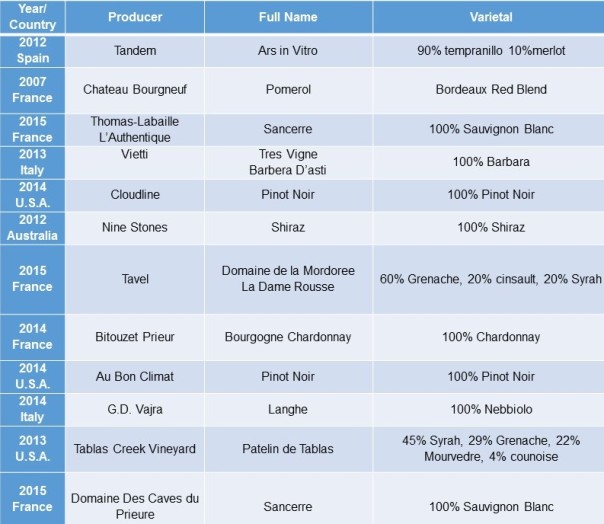
Starter Case Chart
There is nothing here from Germany or eastern Europe, no New Zealand or South America, etc. Fortunately, Grace has a long future to explore these and other options as she chooses.
Now, you can argue with any or all of these selections, but this starter case was built with some preferences in mind. That is the idea – you decide the parameters of the selections and then you find the best representatives of those parameters based on availability, price, and certain intangibles. Our bias was toward France, with an additional parameter of expanding outward from there and focusing on the Old World with some New World representation as well. That is a lot to cover in twelve bottles.
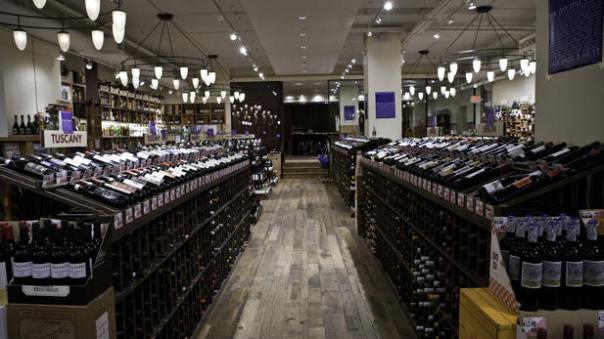
Starter case -USQ
Union Square Wines and Spirits Shop

My suggestion to her was to make tasting notes of each wine as she drinks it and then replace bottles with a balance of things she likes and things she would like to try. Having a set of preferences helps when she is at a restaurant or a party and there are a variety of options. She already knows to steer clear of the bulk wines and the cheap “critter wines” that populate lots of party bars among people her age (and, unfortunately, people my age as well).

To create your own starter case, for yourself or for your children, my suggestion is to begin where you, or they, are. Start with what you already like and populate part of the case with those wines, then expand outward from there. The value of a good wine shop is that they will have staff who can make good recommendations – something you will not get at most supermarkets or places like Target and Costco (with some exceptions).

I can’t overemphasize the importance of finding a wine store employee or owner who you feel comfortable with. I was recently in an independent wine shop in Baltimore that stocked many wines with which I was unfamiliar. When I asked for recommendations from the owner/manager, he told me that he could only help me with Kosher wines; “That’s all I taste,” he said. No one else in the shop had tasted any of the non-Kosher wines! Interesting business model.

A good wine shop staff member will be of great assistance, especially when deciding what to add to your own preferences. He/she will have the experience needed to make recommendations that are very similar to those, or that are different enough to give you a new tasting experience. Good wine shops will also have tastings that you can attend to expand your wine experience.

It is important that you be clear about what you want. Don’t let the sales staff give you a wine that you are not interested in, or one that is too expensive for your budget.

Keeping these things in mind, creating a starter case can be a really great experience. Your comments, as always, are appreciated.

Copyright 2016 – Jim Lockard

4 DAYS IN NEW YORK – WINE AND FOOD

Dorianne and I went to visit our daughter, Grace, who attends CAP21 (LINK), a musical theater conservatory in Manhattan. During our four night stay, we sampled a few restaurants and had some wine experiences, including setting Grace up with a starter case of wine. The restaurants we chose were generally under the radar – not the high-end, but places that interested us and fit our budget. They were generally reasonably priced, actually a bargain, for New York City, but a couple would be considered expensive in other places. Wine was of course on our minds in making our selections. Here is a brief overview of our experiences.

We arrived on Saturday and went to see Grace’s end of the year performance at CAP 21 in the Village. I had made reservations for the three of us and her boyfriend, Kyle, at ŌTTŌ, Mario Batali’s Enoteca and Pizzeria (LINK) on 5th Avenue near Washington Square Park. It was a “meet the parents” dinner, so we wanted something special. While not really expensive, ŌTTŌ is a great experience and has the largest list of Italian Wines that I have ever seen – well over three hundred choices. The three of us arrived before Kyle and we had a glass of wine in the Enoteca in front. We were poured tastes of any by-the-glass wines we wanted before we chose by a very knowledgeable barman. The food was very good in this noisy bustling place. We were seated next to a group of 36 (at two long tables), so that may have affected the noise level. Our wine was a 2011 Soleado Nero d’Avila from Sicily; very tasty – spicy and full-bodied. The service was excellent. I would definitely return.

2016-04-30 18.40.40
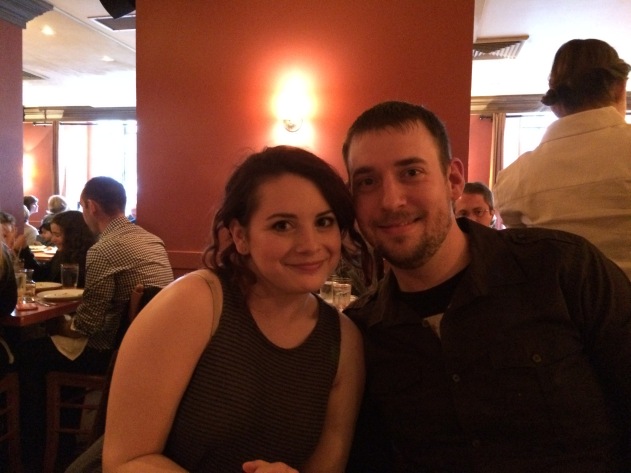
Grace and Kyle Holding Up Pretty Well at the Meet the Parents Dinner.

On Sunday, Dorianne was at a workshop at the Brooklyn Conservatory of Music, so after Grace’s Sunday performance, we took the subway over to Park Slope and met her at Cafe Dada (LINK), a funky wine bar with Hungarian ownership. We had dinner reservations later on a few blocks away. Cafe Dada features a number of wines, several from Hungary, so we had a 2014 Peter Benedek Cserszegi Fűszeres, a crisp and refreshing white, with some appetizers. Cserszegi Fűszeres is the varietal (LINK), which was dry with hints of fruit and minerality. It was a bit unusual, but very refreshing.

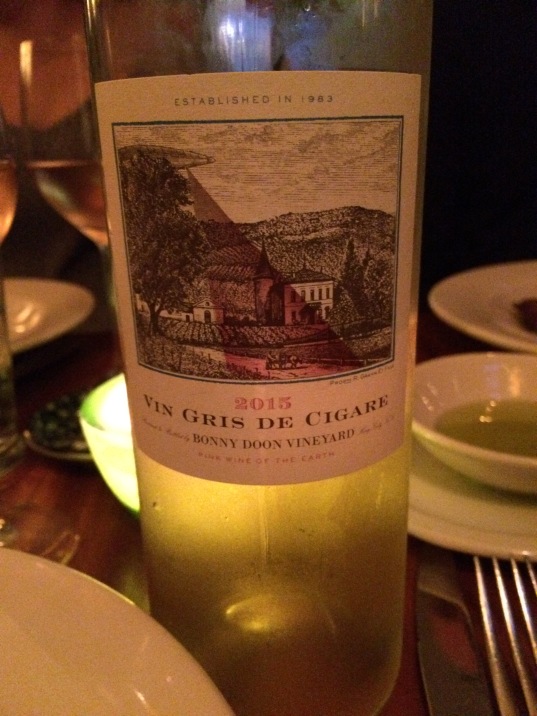
Then it was on to dinner at Rose Water (LINK), on Union Avenue nearby. Our party of 6 included some friends who live in BrooklynRose Water is a tiny little place with a small kitchen just off the entryway. They offer a seasonal menu of locally sourced foods and everything was delicious. The wine list is one of those that is carefully chosen due to minimal storage space – but with a nice selection of wines that fit the menu well. We opted for a 2015 Bonny Doon Vin Gris de Cigare Rosé, since people were getting a variety of dishes. It was a perfect choice (and there were five other rosés on the list). If you are in or near Park Slope, make arrangements to eat at Rose Water.

2016-05-01 19.58.27

On Monday, we met Grace when classes ended and headed over to Union Square Wines and Spirits (LINK), from the top-ten list of New York Wine Shops in the Village Voice (LINK). As readers of this blog may know, we took Grace to France to taste wines when she graduated from high school. The idea was to educate her palate so that she was not tempted by the cheap, crappy stuff at college parties. It largely worked, and she gets wine as well as any 22-year-old I know. So a mixed case of mid-level wines was selected at this excellent wine shop, she opened an account, and the wine was delivered two days later. I will blog about the idea of a “starter case” and the contents of this one in a future post.

Monday’s dinner was just the three of us and we chose Maison Harlem (LINK), just a couple of blocks from Grace’s apartment. The Harlem food scene is really taking off, and this place is near the front of that procession. A funky, laid-back place with definite French accents (including the owners, Samuel Thiam and Romain Bonnans and some of the staff). The food is excellent and the vibe is very friendly. There is a bar in the front that gets very lively, and the dining room in the back with live music on this night – a very competent jazzy trio. The wine list is short but interesting. We had a wonderful meal. The owners were sitting at the next table, so it was a nice experience interacting with them (like one of them showing me his smart phone with my minutes-old Tweet about the place). They also own a wine shop across the street.

Except for one thing. Our server brought the wrong wine. I have been on a bit of a Cahors Malbec kick for a few weeks, and they had one on the menu. I ordered it, pointing to the listing as I did so. The wine was brought, but not shown to me, and when given a taste, it tasted very good and looked like a Cahorsdark and inky. But when the bottle was put on the table (I was not shown the label first), it had an all black label, which seemed strange. When I examined it, it was an Argentinian Malbec. By this time the server had gone and the wine tasted fine. When told about it later, he apologized and offered to change the wine, but we decided to keep the wine we were served. Otherwise a great experience; and I could have asked to see the label (but I should not have to).

2016-05-03 13.55.10
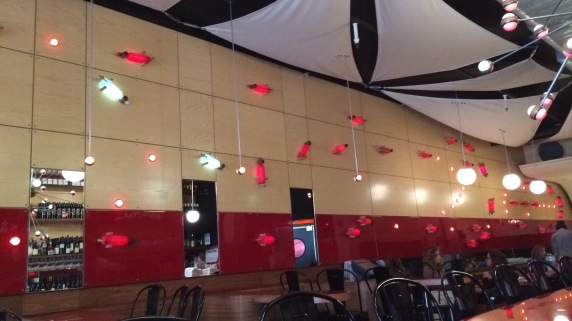
Mid-Century Decor with Wine Bottles at Amelie Wine Bar

Our final wine-related meal was Tuesday’s lunch. We went to the Amelie Wine Bar (LINK) on West 8th Street, literally a block from ŌTTŌ closing the circle as it were. This little gem of a place offers really tasty food and an eclectic wine list in a mid-Century modern decor. It is very lively at night, there were only a few people there at lunch. There are dozens of wines by the glass, mostly French, but many others as well. We all opted for French wines. The servers are knowledgeable (here, too, most have French accents), and the food was exceptional. I opted for the burger and it was the best I have had in years. There is also a San Francisco branch of Amelie Wine Bar.

2016-05-03 13.56.43
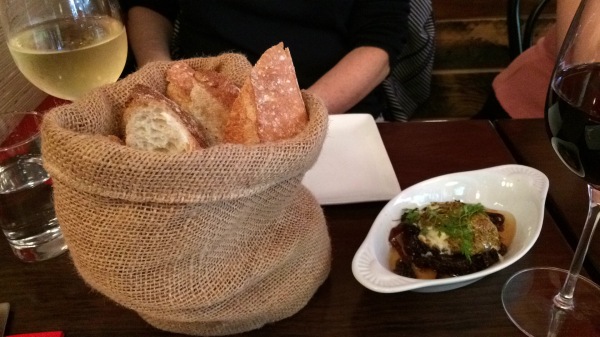
Bread, Wine, and Goat Cheese rolled in Pistachio Nuts 
2016-05-03 13.55.42
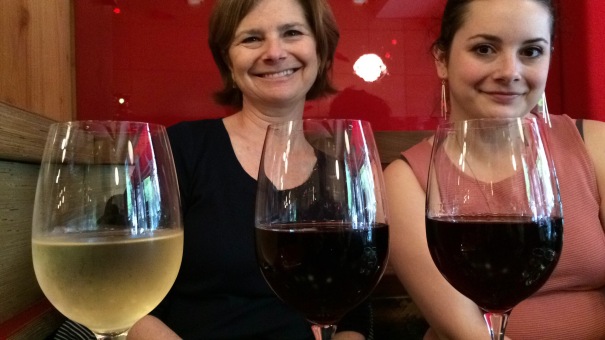
Dorianne and Grace happy at Amelie Wine Bar
2016-05-03 14.37.58
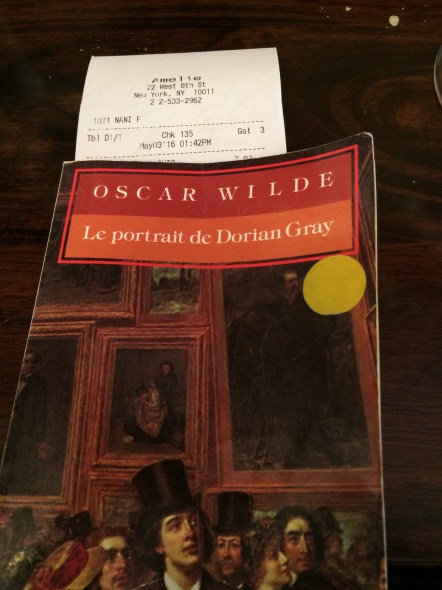
How Our Check Came at Amelie Wine Bar

We closed our visit with a Broadway Show – School of Rock on Tuesday evening, and jsut snacked before the theater. As always, New York is an amazing place with a dazzlingly large array of possibilities. We chose well, I think, and I know that we missed so much.

2016-05-03 18.32.35

C’est la Vie!

As always, your comments are welcomed. And, if you would follow this blog and share it with others, I would be most appreciative. You can also follow me on Twitter at @JimLockardWine.

Copyright 2016 – Jim Lockard
SO MANY WINES, SO LITTLE TIME

Please pardon the lack of originality in the title of this post. It was the best I could do under the circumstances. You see, I am trying to experience as many aspects of the world of wine as I can, and there just isn’t time for creative blog title development.

In fact, there isn’t time to write this blog post – but I am devoted to you, my dear readers, and that devotion shall not wane. But communicating with you like this is eating into my wine exploration and experiencing time. Just so you know.

The reason for this post is the fact that there is just too much.

Too much wine, too many varietals, too many producers, too many pairings, too many restaurant wine lists with too many wines listed, too many wine blogs, too many wine books, too many tasting rooms, too many regions, AVAs, AOPs, appellations, districts, domains, too many wine terms, tasting notes, words in those tasting notes, too much chemistry, too many vineyards with too many terroirs, too many wine apps.

How is a wine lover to keep up?

Wine - Poster - Tonights Forcast

One answer, the one that I like the best out of the options that I have thought about, is that one cannot and should not even try to experience it all. Can’t be done anyway, so give up that ambition, my friend. Let that sphere of wine experience shrink down to a manageable size. Perhaps you give up on the nether regions of Eastern Europe, the vineyards to Thailand, maybe even China. Take a pass on the wines of Malibu, Michigan, Maryland, and definitely, Florida. You aren’t going to taste them all, travel to them all, anyway. And even if you could, how much enjoyment or appreciation could there be in tasting five hundred wines in a weekend?

Wine - Cartfull

Now I say this as a wine lover who has a preference for exploration. There are many other kinds of wine lovers. I know one who drinks only one wine 95% of the time – Kendall-Jackson Chardonnay (LINK). That’s it. As for me, looking back over the photos I have taken over the past year, I have probably had 250 to 300 different wines, not counting wine tastings; you have seen many of them here and more on my Twitter feed (@JimLockardWine). And in that, I have had a few dozen wines more than once. So I get that there is a range of behavior in the wine lovers’ universe. My Kendall-Jackson loving friend probably does not care too much about this post. But she is an anomaly, isn’t she?

Take last night. We are staying with friends in Cleveland for a week. Last night was to be a birthday celebration for family friends of our host. One of the guest is a former wine columnist (yes, Ohio has wine columnists), and a another, their daughter, is currently taking the Certified Specialist of Wine course (LINK) in New York, where she lives. In preparation, our host, a wine lover himself, took Dorianne and I to the best local wine storeWhole Foods – where we purchased a mixed case, Italians for last night, and some others for the rest of the week.

2016-04-23 17.56.50
Part of Last Night’s Line-up

I had a great conversation with the other wine lovers (and a heightened level of wine lover they were to be sure). And I found that while we shared some common experiences and areas of knowledge, that for the most part, our experience and knowledge were different. This is, of course, to be expected. And, it tells me that there is no such thing as someone who knows even close to everything about wine. So we all have to operate within a chosen personal sphere of knowledge and experience that we create ourselves, either on purpose or by default.

So what does this mean for you, treasured reader? Simply that you have dominion over your domain of wine knowledge and experience. So choose what you love, follow your nature (an explorer or a few wines that you return to over and over); include travel or stay at home; talk about the wine at a meal or talk about other things; download half a dozen wine apps or none at all; explore those small wine regions or stick with Napa and Bordeaux; opt for the top shelf at your wine retailer or the bottom shelf, or stay resolutely in the middle.

Wine is, after all, about the enjoyment of life. It is best when shared with friends and family, and it is best when sipped alone with a good book or a beautiful sunset. It is a social lubricant and a solitary muse. It can be the reason for travel, or a small part of a larger purpose. It is a living, breathing thing that can add to the quality of your life, as long as you do not overindulge.

Wine - Wineyard last night
Enjoying Wine with Friends

So do not feel pressured to go beyond your own comfort zone in your experience of wine. (Well, maybe a little bit from time to time.) You are not going to know or experience everything anyway. And no matter how broad and deep your knowledge and experience is, you will meet people who know things that you do not, and who have tasted wines that you have not.

My advice is to find your wine sweet spot, explore that thoroughly, and then branch out from there in a way that suits you best. And have fun in the process.

What are your thoughts?

Copyright 2016 – Jim Lockard

2015-05-07 16.02.08

A DAY IN NORTHERN SANTA BARBARA COUNTY – THREE WINERIES

I love the Santa Barbara County AVAs. Not only do they produce great wines, have lovely scenery, and a host of great winemakers and tasting rooms; they are easily accessible from the Los Angeles area.

On Tuesday, Dorianne and I were joined by Mary Stec and Richard Clark for a day trip to Santa Barbara County (LINK). We visited three wineries and had lunch at Industrial Eats in Buellton. Mary is a home chef and runs a cooking school & is a weight-loss coach (LINK) (LINK); Richard is the winemaker for the Conejo Valley Wine Co-op (LINK to previous post).

Our plan was to visit two wineries in the Santa Rita Hills AVA (LINK), have lunch, then visit two wineries in the northern section Stana Ynez Valley AVA (LINK), north of Los Olivos. The Santa Rita Hills are known for Burgundian varietalsChardonnay and Pinot Noir; the northern Santa Ynez Valley is Rhône varietals – especially Syrah, but also Mouvedre, Roussanne, Marsanne, Viognier, and Cinsault.

A late start and a few other things shifted out plans a bit, but we made the most of a magnificent sunny day in the 80’s.

Our first stop was Babcock Winery (LINK) along Rt. 246 near Lompoc. Babcock has been around for a while and they make some excellent wines, with Pinot Noir leading the way. Our tasting room host Jamie showed the four of us through two different tastings, one featuring their estate fruit, the other wines sourced from elsewhere in the Santa Rita Hills AVA. Babcock’s new and updated tasting room is filled with their wines mixed with places to sit, antiques and other items, some of which are for sale.

Babcock’s strongest suit is their Pinot Noir. They produce several estate wines and a blend of several vineyards. All of them drink well and show excellent craftsmanship, balance, and quality. We purchased a bottle of their 2013 Radical Pinot Noir, which showed the most character (to us) and will age well. We will be laying this one down for a while. Their Cabernet Sauvignon is notable as well, as is their Backroads Red BlendBabcock offers tours and you can have events there. It is a great winery to visit.

The next stop was lunch at the wonderful Industrial Eats (LINK) in the warehouse area of Buellton (of “Sideways” fame). This artisanal eatery also features a number of local wines on tap for $9 a glass, beer, cider, and more. You eat at common tables and can watch the pizza maker use the brick ovens.

2016-04-19 13.03.39
Menu Wall at Industrial Eats

As we were leaving the restaurant, we noted that the tasting room next door, Alma Rosa, showed the proprietors to be Thekla and Richard Sanford, well-known pioneers of the Santa Rita Hills. Richard is in the Vintner’s Hall of Fame. It turns out that I did not know that Alma Rosa was the Sanfords’ (relatively) new wine operation. So, our plans changed and in we went.

Alma Rosa Winery & Vineyards (LINK) has been around since 2005. Like most in the Santa Rita Hills AVA, they specialize in Pinot Noir and Chardonnay, also producing Pinot Gris, Pinot Blanc, and a Pinot Noir-Vin Gris Rosé. They have two levels of tastings, so each couple had one of them. The wines here are uniformly well-crafted and each has unique characteristics. There are five Pinot Noirs (three are single vineyard/clone) and two each of the Chardonnays, Pinot Gris, and Pinot Blancs. We purchased some of the La Encantada Vineyard Pinot Gris and the Clone 667 La Encantada Vineyard Pinot Noir. We would have purchased more, but our wine locker is nearly full (really).

2016-04-19 14.01.41
The Tasting Crew at Alma Rosa
2016-04-19 14.20.14
Rena of Alma Rosa Wine

The tasting room staff included Rena, who is both knowledgeable about the wines and the process and very outgoing. This small wine tasting room is really lovely (and you can have food sent over from Industrial Eats to boot!).

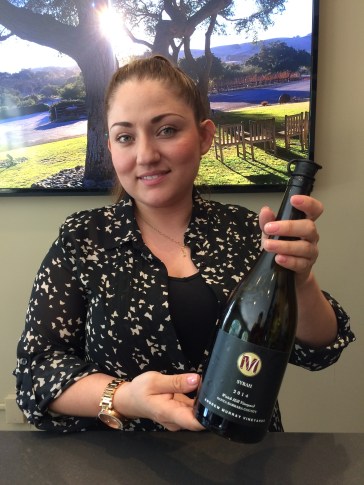
Next, it was on up the 101 Freeway to Zaca Mesa Road near Los Olivos. Our destination was Andrew Murray Wines (LINK) and their new facility at the former Curtis Winery which was purchased and added to the Andrew Murray operation a few years ago. Long known as the producer of the best Syrahs along the Central Coast, Andrew Murray has expanded into some additional Rhône varietals plus a few others since taking over Curtis. Our tasting was a reminder that these are truly exceptional wines. Highlights of the tasting were, of course, the Syrahs, especially the 2013 Thompson Vineyard Syrah, and the 2014 Watch Hill Vineyard Syrah. Both had nicely balanced fruit and minerality, a beautiful bouquet, and a smooth finish.

Also notable were the 2014 Estate Grown Cinsault, and the 2013 Curtis Vineyard Mourvèdre. Both were very well crafted and balanced with minerality and fruit that alternately competed for your attention. We bought some of the Cinsault. And finally, the 2015 Espérance Rosè, a light and crisp rosé made of nearly 100% Cinsault. It results in a surprising rich and flavorful rosé reminiscent of the wines of the Tavel A.O.P. (LINK to previous post) in the Rhône Valley. This is one of the best rosés I have had in some time. Richard and I took a case of this beauty home. Well – it was on sale and I will find the space!

2016-04-19 15.01.14

That was our day – we headed home with wine in the trunk and some great memories that will be rekindled each time we open a bottle.

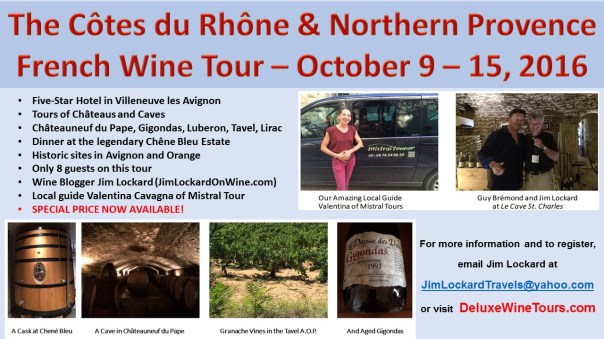
And a reminder – our amazing Wine Tour of the southern Rhône Valley and Provence (including Tavel) still has some space left. Visit (LINK – Deluxe Wine Tours) to get all the information and to register.

Wine Tour Online Image 1

Copyright 2016 – Jim Lockard

BRAND TASTING – LOS VASCOS WINES

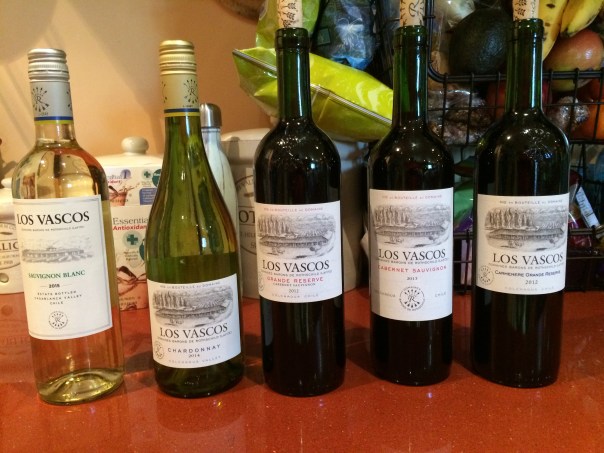
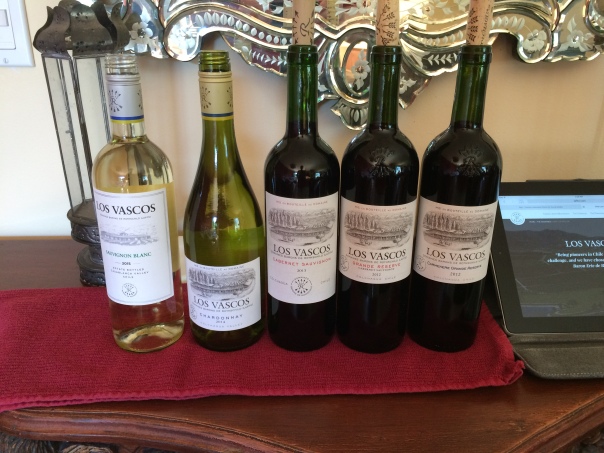
A while back, I purchased five current offerings of Los Vascos wines (LINK) from Wine.com (LINK) to do a tasting. Los Vascos is the Domaines Barons de Rothschild (Lafite) holdings (since 1988) in the Peralillo area of the Colchagua province of Northern Chile. I have blogged about Los Vascos Cabernet Sauvignon before (LINK).

The wines were:

2015 Sauvigon Blanc, retail $14.00

2014 Chardonnay, retail $8.99

2014 Cabernet Sauvignon, retail $8.99

2012 Cabernet Sauvignon Grand Reserve, retail $20.00

2012 Carmenere Grand Reserve, retail $20.00

I did not get the rosé (90% Cabernet Sauvignon, 10% Syrah, retail $11.99), or the LE DIX (retail $65.00), which is their highest-end Cabernet which were both available at the site, but are generally not available locally.

2016-04-17 14.59.08

2016-04-17 15.13.11
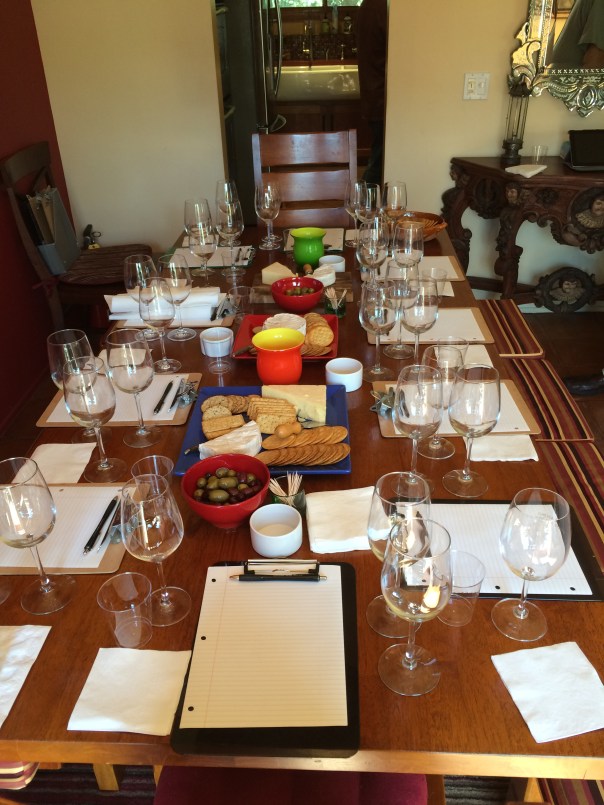
The table is set for the tasting. And note those fancy spit-buckets!

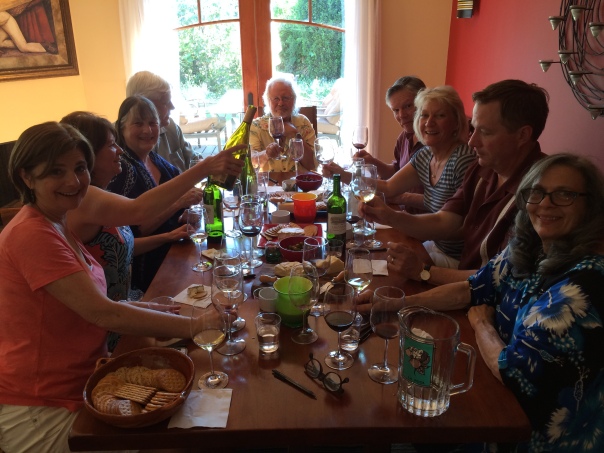
For the tasting, ten of us gathered at the home of Mary Stec and Richard Clark. Richard is the winemaker for the Conejo Valley Wine Co-op (LINK). Those joining Dorianne, Richard, Mary and me were Steven and Diane Brabant, Brad Kieffer and Karen Oxrider, and Doug and Corrine Draper. All of these folks know wine very well.

2016-04-17 16.21.42
The Tasting Team hard at work at mid-tasting.

The tasting of these wines, which fall into the Everyday Wine category, was to get a sense of the product line of a South American Producer who has a couple of big sellers in the U.S. market, but also has some other wines that are a bit harder to find, but are around. I judged the two wines not included as too difficult to find in retail stores.

The red wines were opened about an hour before the tasting. All of the wines were kept at about 50 degrees Fahrenheit in Richard Clark’s wine cold room, where they have been for about 6 weeks. We served a variety of cheeses, crackers and olives with the tasting, which did affect how the wines tasted. Everyone tasted each wine and made personal notes before we all discussed the wine. The wines were tasted individually, although the Cabernets were poured at the same time to allow for comparison.

2016-04-17 15.17.26
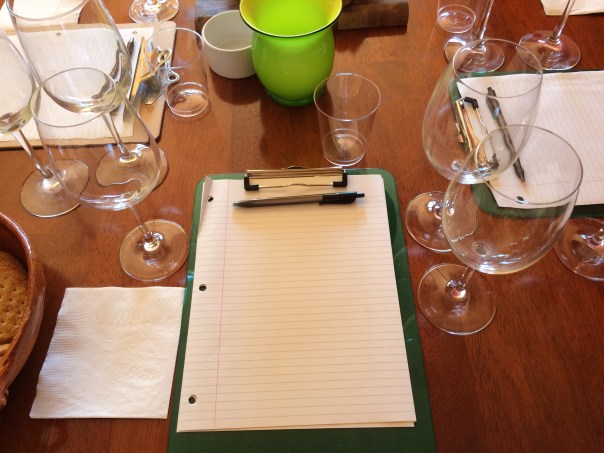
My seat at the table.

The tasting notes and the conversations revealed what you might expect – there was some agreement and some disagreement about each of the wines. There was a rage of opinions as to the presence of tannins in the Reserve Cabernet Sauvignon, for example. Almost everyone noted the presence of grapefruit-citrus in the Sauvignon Blanc, but not everyone. Some found the Grand Reserve Carmenere very smooth and a couple of people found it to be harsh.

Some comments about each wine, with an attempt to capture the essence of the notes and comments from the group for each:

2015 Sauvignon Blanc: light, citrus/grapefruit with a hint of tangerine, lemon grass, high acid, crisp, New Zealand style, mineral finish; better with food than alone.

2014 Chardonnay: Minimal nose, hints of butter, crisp, light, hints of nuts, minerality, more like a Pinot Gris, pear, apricot, neutral oak, not much of a finish; improved with the cheese.

2014 Cabernet Sauvignon: Nose red fruit, alcohol, ashes, acid; thin, minerals, hint of cherry (minimal fruit), slightly astringent finish; also improved with food.

2012 Grand Reserve Cabernet Sauvignon: Inky red color; plum, ripe fruit, cassis on the nose; balanced tannin, acid, and fruit (one comment too much tannin, needs longer decanting); nice finish; needs some time – 2 to 3 years; more substantive than the 2014 Cab, but still a bit thin for a Cabernet Sauvignon. Clearly a superior wine to the 2014 (with one dissenting opinion on that).

2012 Grand Reserve Carmenere: Dark, inky color; rich bouquet of black fruit, green pepper, cloves and spice, tobacco, earthy soil on the nose; nicely balanced with light tannins, hints of currant, prune and figs; smooth finish; approachable wine; described as “smooth” and “harsh”; “pick of the litter”; would be great with lamb.

2016-04-17 15.16.54.jpg
The line-up of wines.

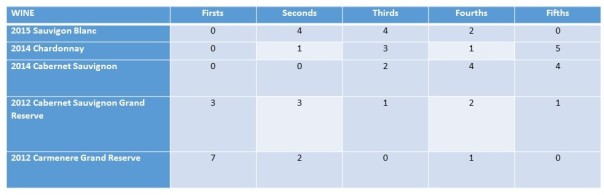
I asked each person to rate the five wines from 1 through 5 in terms of their impressions of the realizing this has an apples to oranges quality, but aiming at which of these would you be most likely to purchase yourself?):

1 Table

The upshot – all of these wines are drinkable and have both positive qualities and drawbacks that are largely subjective. Los Vascos wines are reliable go-tos for everyday drinking. If your budget calls for the inexpensive Chardonnay or Cabernet Sauvignon, go for those – even though the Chardonnay was not well reviewed by the group, several people liked it very much – at $9.00 or so, you can find out for yourself; if you can upscale a bit to the Grand Reserves, you will find a good increase in value at the higher price-point. The Sauvignon Blanc is at a good price-point if you enjoy a citrusy New Zealand-style, and grab that Grand Reserve Carmenere if you can find it.

Two of us (Steven and I) who had first encountered the Los Vascos Cabernet Sauvignon in the 1980’s and early 1990’s noted that it seems to be a very different wine than in those days. A reading of the website (LINK) bears this out, as extensive replanting has occurred since that time. And, both of us are drinking wines at higher price-points today, which may also be a significant factor in our impressions. Perhaps we have changed along with the wine.

Comments about your experience with these wines is, of course, most welcome.


Copyright 2016 – Jim Lockard
 

JIM LOCKARD ON WINE FEATURED IN THE WINE STALKER’S LATEST POST

This blog has been pretty quiet since returning from Oregon last week. But that is about to change – next week will see several posts including our full product line tasting of Chile’s Los Vascos wines, the recounting of a tasting of Paso Robles’ LXV wines and a new boutique local wine tour business serving California’s Central Coast AVAs, and Dorianne and I will be heading up to Santa Ynez and Santa Rita Hills AVAs this coming week for a bit of a tour.

In the meantime, The Wine Stalker (LINK) has included us in a really great article about wine bloggers who live a distance from wine regions.

(LINK TO ARTICLE) 

Winestalker

Here is a quote from that post:

The Rest Of Us: Wine Blogging Outside Of Wine Country ~ The Wine Stalker – A blog for WINE GEEKS & WINE LOVERS (LINK):

“How is your travel availability to actually go to wine regions or blogger conferences?
Again, my wife and I travel nearly full time, 1/2 in the US and 1/2 in Europe. I lead wine tours in France (http://deluxewinetours.com/), so I get to meet a lot of French winemakers. We also spend a lot of time in Spain. This year we will also travel in the Ukraine and Poland, so I am looking forward to seeing what’s happening there.”
So thanks to The Wine Stalker for including us in the blog.

And, since you are here already, time is running out to register for our amazing October 2016 Tour of northern Provence and the southern Côtes du Rhône where we will enjoy some of the finest wines in France. 

Image 4 - Provence

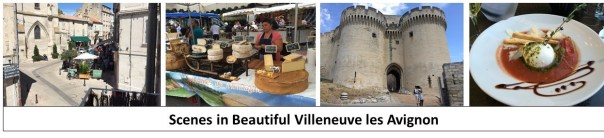
We will spend seven nights in France, based in Villeneuve-les-Avignon on the banks of the Rhône River in a 5 star hotel, exploring the hidden secrets of several wine regions that meet here – The Côtes du Rhône, Languedoc-Roussillon, and the Luberon.

Hotel

Hôtel Le Prieuré

This intimate, small group tour (only eight spots available) features lodging in fine hotels, meals in chateaus, visits to the legendary vineyards, and tastings of some of the great wines of France. All the while, you will learn more about wine in the vineyard and at the chateau.

Here is the (LINK TO THE WEBSITE FOR MORE INFORMATION AND TO REGISTER) 

A WEEKEND IN EUGENE – AND FAREWELL TO OREGON

Dorianne and I spent our final four days visiting Oregon in Eugene, home of the University of Oregon and located in the southern portion of the famed Willamette Valley, the major “wine country” of Oregon. Our stay was both business and pleasure, as I had some speaking engagements here, but we did find some time to enjoy a bit of the local wine scene.

We dined at Café 440, Marche, the Market Food Court, and at King’s Estate Winery and Vineyards. We did a wine tasting and saw a Flamenco show at The Oregon Wine Lab, and we drank a few bottles at our friend’s home where we stayed.

Eugene is a college town, and on that side of the 5 Freeway, there is a downtown and quite a few restaurants, most of the kind that college students can afford; on the other side of the freeway there are the chain stores and some additional restaurants (like Café 440).

Let’s hit the highlights.

King’s Estate (LINK) is the largest of the area wineries – it would be a large operation just about anywhere. With over 500 acres under cultivation here and sourcing from a number of other vineyards in Oregon, some of which they own, they are large producers – the largest US producer of Pinot Gris, their flagship wine.

The estate is crowned by a hill, atop which sits the winery/tasting room/restaurant complex, designed to look like a Tuscan estate. Vineyards surround the complex. We had lunch in the dining room, which surrounds the tasting room. There are also tables outside on a large stone patio overlooking some beautiful scenery. You can get tasting flights with your meal if you like. I had the Pinot Noir flight, as did Dorianne. Our good friend, Linda Finley had the Pinot Gris flight. Our favorite among the Pinot Noirs was the estate Pinot Noir blend, which was the least expensive of the three wines in the flight.

After a very good lunch, we moved over to the tasting room and met Nicholas, one of the three gentlemen on duty. King’s Estate makes some very good wines – especially their  Pinot Gris and Pinot Noirs, but their Chardonnay is also exceptional – very light and crisp, more of a Chablis style, and at a price point of only $18, a great value.

On Saturday evening, we were joined by our local host, Carole Angius, for an early dinner at Marche (LINK), rated the #1 restaurant in Eugene by TripAdvisor.com. We stuck to appetizers, but everything was beautifully prepared and delicious. The wine list is also excellent – we had a French Macon Chardonnay by the glass, as we were going to a wine tasting afterward. I highly recommend Marche.

Flamenco in Eugene? Why not? The Oregon Wine Lab (LINK), a local urban winery and wine bar, was featuring a Flamenco show – more of a demonstration by a visiting teacher from New York and some of his local students. That part of the evening was fun (LINK to previous postings about Flamenco).

The wines made at The Oregon Wine Lab carry the William Rose (LINK) label. We tasted several during the evening. Our favorite was the 2013 Oregon Pinot Noir ($28). The whites that we tried were all very high in acid. There is also a 2013 Willamette Valley Pinot Noir ($48) that we did not taste. I would say that the wines here are drinkable but not outstanding – but the place is fun and there was a large crown enjoying the dancing and consuming a lot of wine.

Café 440 (LINK) is a reliably good place to eat. I had a dinner and a lunch there. The service is good, the food is good, and there is a decent list of mostly local wines and craft beers (plus a full bar). Worth a visit.

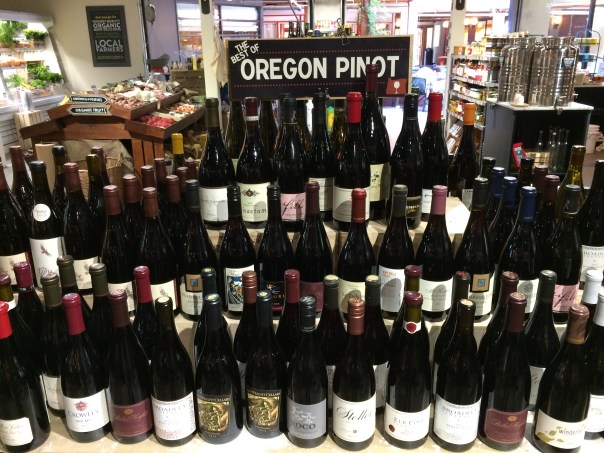
There is a nice wine shop in the 5th Street Marketplace (LINK) with a great selection of Willamette Valley Pinot Noirs and other wines from Oregon and around the world. You can also taste wines and have a meal from the marketplace deli.

2016-04-03 13.36.56
Display at 5th Street Marketplace

So that wraps up our five week visit to Oregon. We had a wonderful time, some really good wine and food, and saw the beautiful scenery. From Ashland and the Rogue & Applegate Valleys; to Roseburg and the Umpqua Valley; to Portland and the northern Willamette Valley; to Eugene and the southern Willamette Valley, there is much to see and many great wines to drink. We shall return!

WEEKEND IN PORTLAND WITH WINE (AND FOOD)

Dorianne and I spent Easter weekend in Portland, Oregon, staying downtown at the Westin Hotel. This post is an overview of the food and wine experiences of our weekend. I realize that we only experienced a sampling of what this great city has to offer.

Upon arrival at the Westin Hotel (LINK) on Friday, we were greeted with a wine tasting in the hotel lobby. ENSO (LINK), an Urban Winery featuring varietals and blends sourced from Oregon, California, and Washington. The tasting featured a white blend, a 2012 Counoise (unusual for these parts), and a red blend. All were very drinkable, especially the red blend which had low acidity and a very smooth viscosity. The Counoise was heavier and more viscous, with nice notes of red fruit and a hint of minerality.

After chatting with Kimberly Parks, the Enso Wine Club Coordinator and a number of other hotel guests about wine and travel, it was time to go upstairs and change for our dinner reservation at Jake’s Famous Crawfish (LINK), a member of the Landry’s Group. We walked the four block from our hotel in the crisp evening weather, passing the iconic Portland Food Trucks surrounding the park nearby (almost all closed at night).

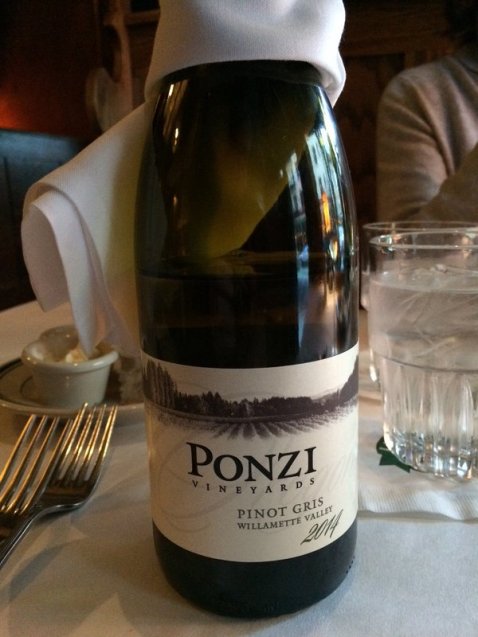
Jake’s is that quintessential downtown seafood house – lots of wood, excellent and experienced servers, a long menu of selections and a great wine list. We ordered a bottle of Ponzi Pinot Gris (LINK) (LINK to NOTES), one of the better known Willamette Valley (LINK) producers. We were not disappointed – light and crisp with balanced acidity, mushrooms on the nose, and pear and pepper on the palate. A very nice wine. It went well with our Kamiai oysters, with Dorianne’s halibut and with my horseradish encrusted steelhead. It was a wonderful meal in a great atmosphere – not really adventurous, but solid and everyone knew what they were doing.

IMG_9299

Lunch on Saturday at Bamboo Sushi SW (LINK), one of four in Portland, for some really excellent food accompanied by a Sapporo draft beer. The lunch specials here are really a great value. We spent the afternoon on a city tour with good friends David Alexander and Patience Muanza and her son, Josh. The tour included walking along 23rd Street in Nob Hill (LINK) and sampling some food (dessert!) and a flight of Willamette Pinot Noirs at Papa Hayden Café (LINK).

Dinner on Saturday was with good friends Laura Berman and Craig Benelli (LINK) at Luc Lac Vietnamese Kitchen (LINK), a very busy place with more of a Portland feel to it. Crowded – with a system where you wait in line, order, then wait for a table, and they bring you your food – and loud, it was a fun evening very different from our other dinners in town. The Pho was great. Luc Lac has wines by the glass or 1/2 bottle only (!); we discovered a very nice Rosé from Tavel (LINK), the only AOP in France that produces only rosé wines. As an added bonus, we ran into Dorianne’s nephew, Brian Nelson and his wife, Krista, from LA.

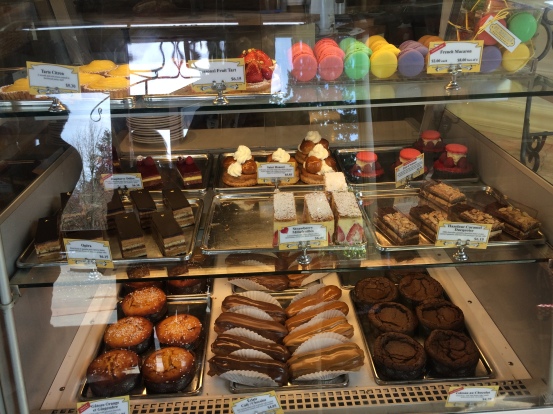
Sunday we went to the New Thought Center for Spiritual Living (LINK) in Lake Oswego for Easter service, where Rev. Dr. David Alexander presides over a large and vibrant spiritual community. Then off to lunch/brunch at St. Honoré Boulangerie (LINK) near the lake. Amazing baked goods – very French – and wonderful sandwiches accompanied by a French Pinot Gris made for a nice repast.

2016-03-27 13.00.46
The Patisserie Case at St. Honore Cafe in Lake Oswego

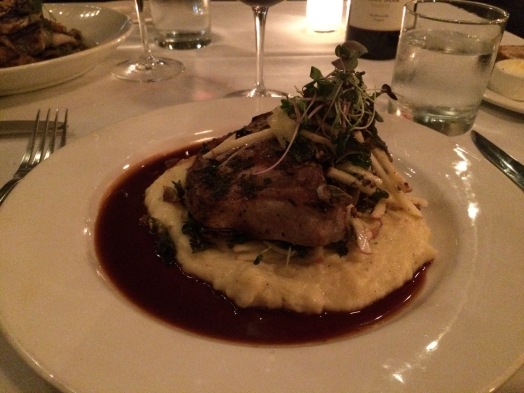
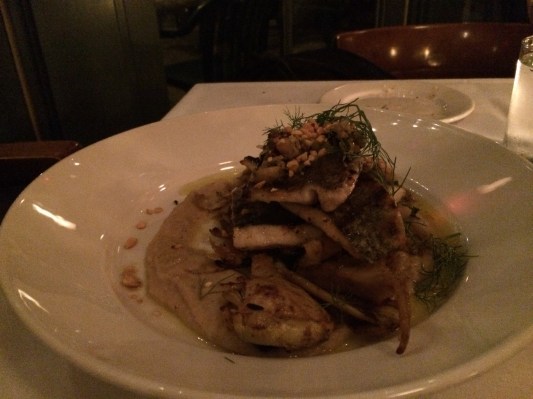
After a relaxing afternoon of napping and surfing the web in our hotel room it was time for what would become the highlight of our Portland visit, food and wine wise. Our dinner reservations at Veritable Quandry (LINK), was a very special experience indeed. A friend recommended it to us (we had already made reservations) and noted that her brother, Matt, works there.  Matt made us feel very welcome indeed, as did our excellent server, but it is Chef Annie Cuggino who is the star of this show. The food was simply excellent – no other word will do. A wine list that is appropriately heavily Oregon-centric but with a good number of other global wine regions represented, rounded out a marvelous dining experience.

2016-03-27 20.35.09
Pork Chop in Cider & Ale Sauce
2016-03-27 20.35.15
Trout in Cannelloni Bean Puree

2016-03-27 20.01.57

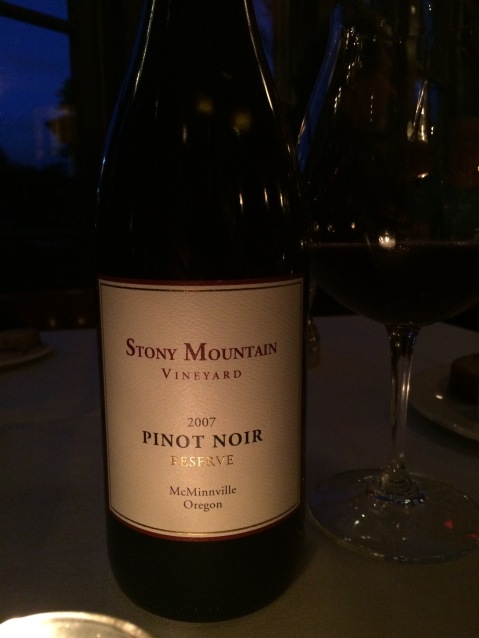
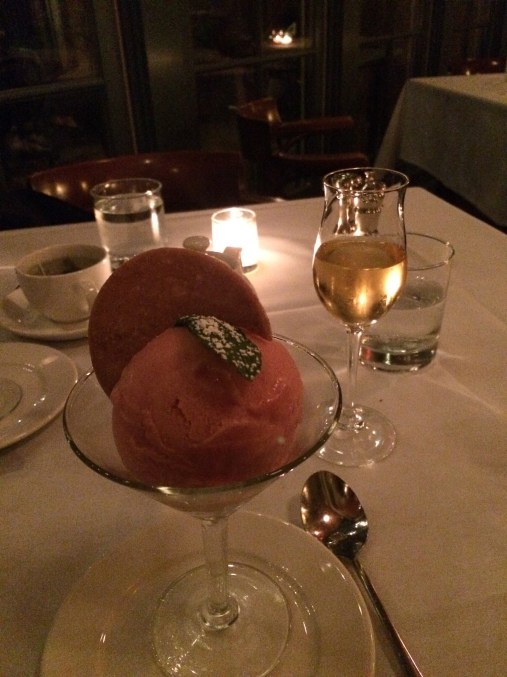
Located in a lovely garden-style building of brick and steel near the river on the edge of downtown, Veritable Quandry is a local gem and has been since 1971. The garden seating is closed now, but we were seated at a table next to a floor to ceiling window. The long bar is also inviting – you pass by it as you enter. I was tempted to order a cocktail, but that wine list was simply too inviting. We selected a 2007 Stone Mountain Vineyard Reserve Willamette Valley Pinot Noir (LINK) from a list of about three dozen Oregon Pinots. It was an amazing wine – smooth, peppery, light enough to accompany Dorianne’s trout and enough body to hold up to my pork chop in a cider and ale sauce. Then house made sorbets and an Inniskillin Ice Wine for dessert. A truly delicious meal in every respect.

2016-03-27 21.05.37

The sad news: Veritable Quandry is slated to close in the next several months – the city is taking the land for a new court house and the owner has decided not to relocate. So get here soon! Some photos of the meal experience are above.

As we depart Portland after this short visit, I know that we will return – there is too much left undone and some things we want to experience again!


TRAVELING WITH WINE – HERE ARE THE AIRLINE FEES AND POLICIES

A great article from the Lazenne website (LINK) that takes a comprehensive look at airline baggage fees and policies for those who want to travel with wine. The company who makes wine suitcases and other wine carriers wants you to know what you can and cannot do. It also has links to just about every airline and its policies regarding traveling with wine.

(LINK TO ARTICLE)

Wine - Lazenne Suitcase

OREGON’S UMPQUA VALLEY – TWO WINERIES

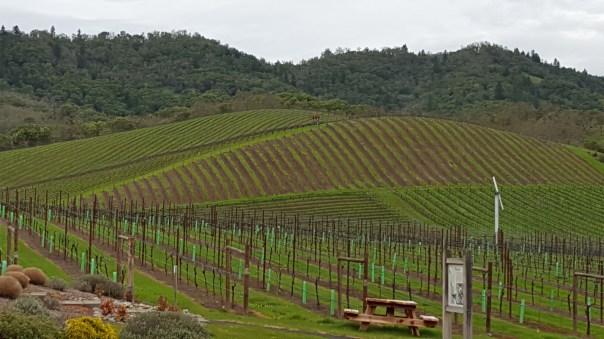
The Umpqua Valley AVA (LINK) in south-central Oregon does not yet have a signature varietal, and it may not have one in the future. This rambling AVA contains many micro-climates and a range of soils, so it may well remain home to dozens of varietals over time, which is not a bad thing at all.

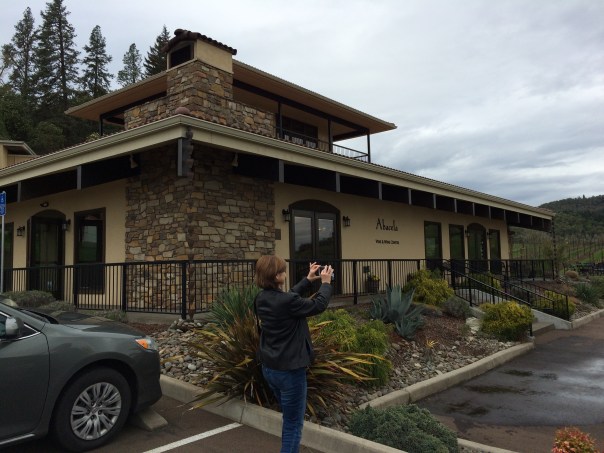
Visiting friends near Roseburg, we head out to the wineries, which are about a 30 minute drive to the southwest. A stop at the Lighthouse Center Bakery and Café (LINK), for a vegetarian lunch of huge proportions, fortifies us for an afternoon of wine tasting. Two wineries are on the schedule for this first day, Ruestle Prayer Rock Vineyards (LINK), and Abacela Winery and Vineyard (LINK). Our hosts, Andy and Bonnie Anderson, assure us that these are representative of the wines of the area.

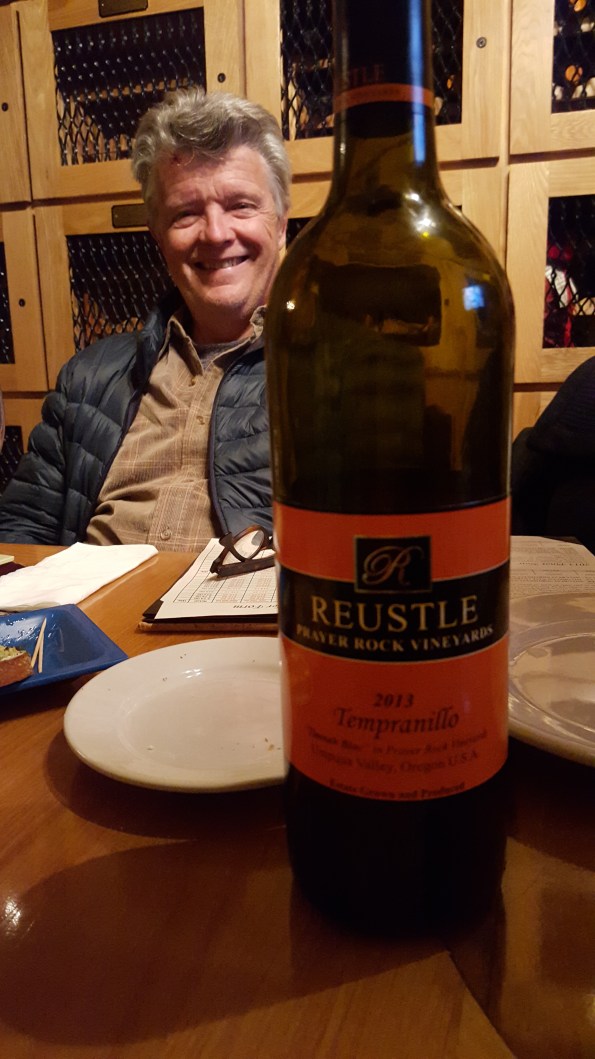
Ruestle Prayer Rock Vineyards is set in rolling hills and has been developed, built and planted by someone with an eye for beauty. Everything about this 200 acre patch of Oregon is lovely to behold. Stephen and Gloria Reustle made their money in marketing in New York and moved west to explore entry into the wine business. After a few false starts in California, they discovered this part of Oregon and fell in love with it. The first vines went into the ground in 2003 and now they produce about 8000 cases annually. The Reustles are devout Christians, and there are quotes form the Bible on the winery floors and elsewhere on the property. There is also a Men’s Bible Study group that meets at the winery and studies The Bible while they taste wine. Not a bad idea.

All of the wines produced here are estate grown. There are currently 6 red varietals – Pinot Noir, Tempranillo, Syrah, Malbec, Merlot, and Grenache; and 6 whites – Viognier, Sauvignon Blanc, Grüner Veltliner, Riesling, Muscat, and Semillon. There are reserves of most of these and several blends, and both a red and a white port. There is also an amphitheater nearby for events.

We were shown around by Kevin Kline, Wine Educator and Events Coordinator for the winery, and escorted to one of the private tasting rooms and served appetizers with each wine tasting. The tasting rooms, production area, and the wine cave (which includes tasting rooms and event space), are located in a lovely building that has been designed to look like old stone caves by a designer/architect who does a lot of work for Disney. In the cave are the barrels of French and American oak, where the reds are stored; the whites are in aluminum tanks in the production area.

Okay, let’s cut to the chase. The tasting was of four wines – the 2013 Grüner Veltliner, the 2013 Pinot Noir, the 2013 Syrah, and the 2013 Tempranillo. The Grüner Veltliner, with 1% residual sugar, was a bit sweet for me, but others may like it; the reds were all young with good tannins and acidity, indicating that they will age well. Nothing outstanding, but all well-crafted wines and good values at their respective price points.

I requested a taste of the 2013 Blanco Dulce, the white port. Mr. Kline was kind enough to open a bottle, and it was a revelation. This wine was aged in Acacia wood barrels for nearly two years, adding to the wine’s complexity and depth. It is a 50/50 blend of Riesling and Grüner Veltliner. Smooth, with just the right amount of sugar, fortified with brandy (sourced elsewhere) to 19% alcohol content, this is everything a white port should be. We bought 2 half-bottles, as did one of the other couples with us. I love making a find like this.

Abacela Wines - Vineyards.jpg
Abacela Vineyards

2016-03-23 16.05.29

Our next stop was Abacela Winery and Vineyard, again featuring a nicely designed and appointed tasting room area set atop a hill overlooking 40 acres of vines. In 1995, Earl and Hilda Jones planted the first vines here. The focus here is Tempranillo, and they make several of them, most for wine club members only (although available for tasting). They also make small amounts of Albarino, Viognier, and Muscat, plus a Grenache Rosè; and in addition to the Tempranillo, Garnacha (Grenache), Malbec, Dolcetto, Graciano, Syrah, Tinta Amarela (a very nice wine), and a Tannat is coming soon.

2016-03-23 16.07.14

For the tasting, you get to pick any 8 of 17 wines, so Dorianne and I each did a tasting and alternated and shared – so we tasted 16 of the 17 available on the general tasting. You can also taste their reserve wines for an additional $5 per taste.

The highlights were the Tempranillos and, a bit surprisingly, the 2015 Muscat, a semi-sweet white wine, that is a great light sweet wine; and the 2013 Blanco Dulce, a late-harvest Albarino that is made into a faux ice-wine by freezing the grapes at the local creamery before fermenting. The wine was not too sweet and very elegant on the nose and the palate.

Back to the Tempranillos – the “Barrel Select” versions, and especially the 2009 Paramour ($100), which we tasted were all very well-crafted and balanced wines; they are not the same as you find in Spain, even though this part of Oregon is at about the same latitude as Ribero del Duero and Rioja. Nevertheless, good wines and all of them should age well or a decade or two. I really like what Abacela is doing with this amazing Spanish varietal. Given more time, they will likely become known for the Tempranillos they are producing.

The Umpqua Valley AVA is shaping up nicely and should mature well in the future. It is worth a visit.

Jim at Reustle Wines
Enjoying a Good Day
2016-03-23 14.19.09
Tasting Room at Reustle Winery

Copyright 2016 – Jim Lockard