Tag Archives: wine blog

ASHLAND, OREGON WINE SCENE – THREE GOOD RESTAURANTS

During our stay in Ashland, we discovered a very vibrant and creative dining scene. This is largely due to the presence of the Oregon Shakespeare Festival that runs much of the year and brings thousands of tourists and visitors to this otherwise small town. Regardless, there are a number of very good dining and wine venues in town. I already blogged about a visit to Liquid Assets Wine Bar (LINK), and here I will mention three others with excellent and creative cuisine, with varying levels of focus on wine.

First, and foremost, is The Peerless Restaurant and Bar (LINK), west of Main Street on Fourth in the Railroad District. A part of the boutique hotel, the restaurant and bar have been a fixture here for many years. This was truly a wonderful evening. Four of us went on a weeknight and enjoyed an amazing meal in a beautiful setting (we were inside but during the season, there is a lovely outdoor garden area) seated near the fireplace. The smallish bar is perfect for a libation and the wine list is one of the most extensive in town, with local, regional, and wines of the world available. The wine list changes regularly and there are selections from previous lists on display on a sideboard by the entrance (empty of course).
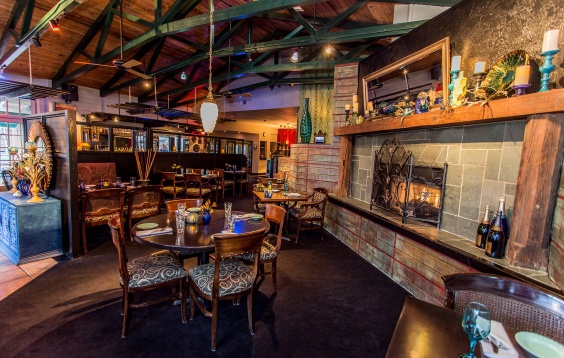
pEERLESS 1
Peerless (from their website)

Service at The Peerless Restaurant and Bar is excellent – knowledgeable and professional. Our server recommended a local wine, a Jaxon Fortè (pictured) that was a great accompaniment to the variety of dishes that we had (steak, burger, fish, and vegetarian). If you are in Ashland for only one night – this is your stop.

The Hearsay (LINK) is a speakeasy-styled restaurant and bar located under the picturesque town Cabaret Theater on First Street, west of Main. The focus here is on fresh food, artisanal cocktails, and a very short, but well-selected wine list. We sat in the back room, where about a dozen tables on two levels surround a piano. The artwork in the room is speakeasy themed and well executed – think wood, reds, blues and yellows. The front bar is in a large room with tables that can accommodate 100 or more, but was quiet on the Monday evening that we visited.
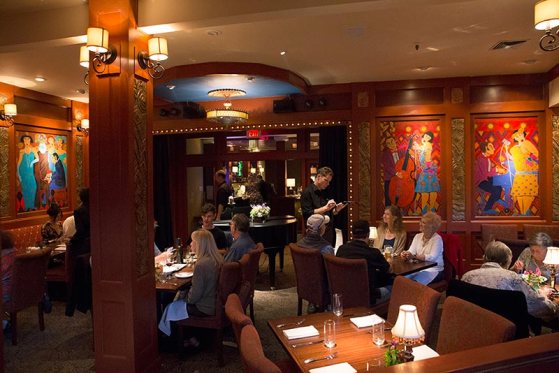
hearsay-dining-roomIMG_9169
Hearsay Dining Room (from their website)

Our server, Thea, had recently returned from 6 years abroad teaching English in exotic locations like Thailand. Since returning, she had gained a good grasp on the local wine scene, and in helping us to select a red wine for the table, gave us tastes of several of the wines-by-the-bottle available – a first for me.
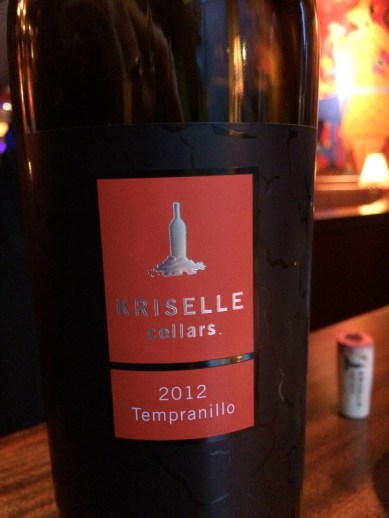
2016-03-21 19.27.28

We selected a Tempranillo, the most expensive on the list (only $47), and were pleased with how it paired with our food. The only downside of the evening was that the steak that two of us ordered was very tough – but Thea offered the whole table desserts on the house to make up for it. So the evening ended well, as the desserts were delicious, especially the house made goat cheese ice cream (really). I give Hearsay a B+, mostly because of the service, but the evening was very pleasant for all of us.

Finally, the Standing Stone Brewing Company (LINK), not a wine venue, but with a few nicely selected wines available. The craft beers are excellent and the menu is incredibly creative, with international accents (kimchee appears in several dishes, for example) and again an emphasis on fresh and locally-sourced ingredients. I ate at the Standing Stone three times, a solo lunch, a lunch with Dorianne, and a dinner with our local friends Walter and Linda, and every time, I was impressed at the quality of the experience.
Standing Stone 1
Standing Stone Brewing Company (from their website)

So Ashland is a very unique place – Shakespeare, hippies, nature, spirituality, excellent food, wineries and vineyards, everything from the funky to the sophisticated. We had a great three weeks visiting and I am sure that we will return. Next, we are heading up to the Umpqua Valley and Roseburg to try some wines there.

Copyright 2016 – Jim Lockard
APPLEGATE VALLY AVA – TWO WINERIES

Yesterday, several of us went to the Applegate Valley AVA area in southern Oregon to taste some wines. This area, just to the west of Ashland, is in the foothills of the Coastal Range near the Rogue River Siskiyou National Forest. Beautiful country, a growing number of  wineries in the area , but you travel a bit of a distance to get from winery to winery.

The AVA does not have a signature varietal. There are a number of micro-climates present, soil variations, and annual rainfall amounts vary from around 20 to 40 inches in different parts of the AVA. So you have Italian varietals like Sangiovese, Spanish Tempranillo, Rhône Syrah, Rousanne and Marsanne, plus Pinot Noir, Cabernet Franc, Cabernet Sauvignon and others.

We wanted to taste some of the best of the area, so our local friends took us to Cowhorn Vineyard and Garden (LINK) and to Red Lily Winery both off of Route 238 southwest of the quaint town of Jacksonville.

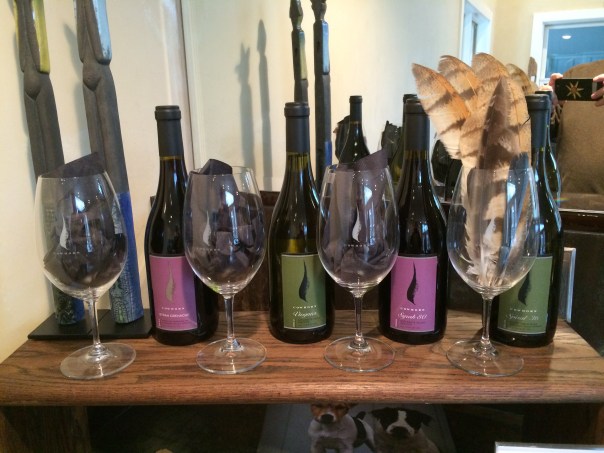
Cowhorn represents a number of good things about growing and making wine. First of all, the quality of the wines is simply superb. Producing a total of 2300 cases of Rhône varietals – Grenanche, Mouvedre, Syrah, ViognierRousanne and Marsanne, the owners and winemakersBill and Barbara Steele, use state-of-the-art biodynamic techniques. The wines that we tasted (and we didn’t even get to taste the reserve wines, which are spoken for by the wine club – hint) were beautifully crafted, balanced, and tasted much like wines we have had in the Rhône Valley. Their wines consistently score in the low to mid 90’s from such reviewers as Wine Spectator, Wine Enthusiast and Robert Parker.

The 2012 Syrah was beautifully crafted and needs a couple more years in the bottle to reach it’s peak. The whites – a Spiral 36 Blend of ViognierRousanne and Marsanne  is delicious and a bargain. The 100% Viognier was a revelation – a beautiful mouth feel with apple, pear, and other green fruit, some minerality, and a very smooth finish. The Marsanne/Rousanne 50/50 was also quite good – all of the whites could have been from top Rhône Valley producers. We did take some of these home with us.

2016-03-11 13.37.55
Some of Cowhorn’s Wines
2016-03-11 14.09.03
Jim & Bill Steele

Second, they are operating a highly eco-sensitive and sustainable operation. Under construction is a new tasting room that is being built to the exacting standards of  the International Living Future Institute (ILFI) (LINK), meaning that the building will add as much as it takes from the environment at every step of the building and operating process. While we were there, a beautiful table made from recovered wood and custom-designed for wine tasting by Barbara Steele, was delivered and set up. Here are a few photos.

If you can get your hands on some Cowhorn wines, do it.

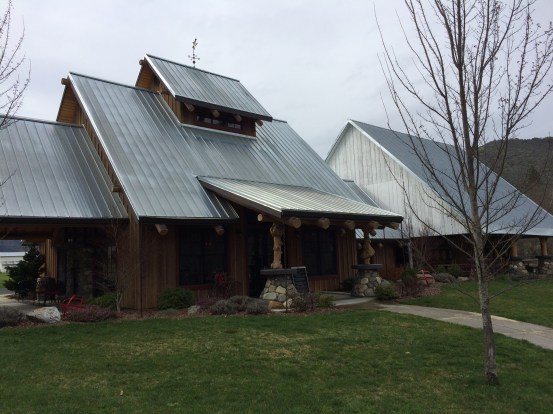
Our next stop, after getting a bit lost on the scenic back roads of the area, was Red Lily Vineyards (LINK), a beautiful property along the roaring Applegate River. Here, Tempranillo is king. Les and Rachel Martin own and operate the vineyard and winery. The tasting room building is beautifully designed and contains facilities for special events. They also have a kitchen that produces some very good food. We had lunch here, accompanied by some of the Red Lily Wines.

2016-03-11 15.01.28
Red Lilly Tasting Room

The wines that we tasted were primarily Tempranillo, some mixed with Cabernet Sauvignon. The 100% 2012 Tempranillo in the tasting was the best of that group. I had a glass of a 2006 100% Tempranillo that showed how well these wines age. Great tannin structure, well balanced between dark red fruit and minerality. A beautiful wine (and, at $51, the most expensive). They also sell some wines made in Spain to compliment the Spanish varietals grown here.

The wine tastings are available poured into test tubes and put in a rack that you can pour yourself when you are ready. There are tasting notes for each wine. You can also have the friendly and knowledgeable tasting room staff pour each taste for you. The Red Lily wines are very well crafted, not up to the level of the Cowhorn, which would be exceptional in any AVA or appellation, but very drinkable and reasonably priced.

Both of these wineries were a joy to visit, with the usual great people that one tends to meet in the wine industry. If you are visiting southern Oregon soon, make it a point to check these two out.

We will be doing some more exploration on this visit – so watch this space.

applegate_map11

Copyright 2016 – Jim Lockard


SOMETHING NEW IN WINE GEAR

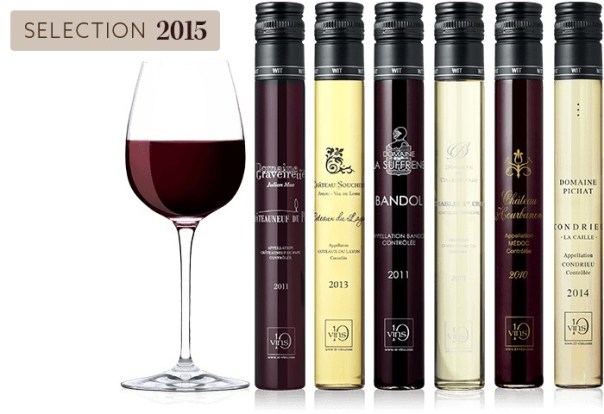
The D-vine Gravity Machine by 10-Vins is a recently developed wine dispenser for the home. The idea is really two-fold. One, to serve wines-by-the-glass to give you options that you do not get by opening a single bottle, and two, to serve the wine aerated and at an ideal temperature without need for refrigeration. Here is an image of the machine:

Wine - 10-vins-d-vine

Of course, the real idea is to get you to subscribe to home delivery of the tubes of wine, which retail in France for from 2€ to 16€. This device is apparently not yet available in the US. So we shall see. I don’t think I’ll be buying one. What do you think?

Wine - 10 D-vine-2015-selection

THE BERKELEY WINE SCENE – A GLIMPSE

I was in Berkeley, CA for a week on business and I did a bit of exploration of the wine scene here. This is not my first time here, and I have blogged about Berkeley before (LINK).

The big news here is the possible scandal associated with the Premier Cru Wine Store bankruptcy (LINK). You can read about that if you wish. Of course, the great Kermit Lynch is here with his legendary wine shop (LINK) – I visited there in May. There are a lot of very good restaurants here with wine lists of varying length, breath an depth.

The wine highlight of this trip was two visits to Vintage Berkeley (LINK) a wine shop on College Avenue in the Elmwood neighborhood (I was staying nearby). The owners of Vintage Berkeley also own Solano Cellars Wines.

The shop on College Avenue has a focus on wines of the world priced under $30. There is a “back room” with more pricey bottles. I saw a lot of wine labels that were new to me, and a few that I recognized. Most of the latter were in the back room.

There is usually a wine tasting going on, and on my first visit, the proprietors were offering a couple of French wines from the Rhône Valley. There were about eight customers tasting and shopping. I had a good conversation with several of the customers and the staff. I was told that there would be a winemaker tasting of Clos Saron wines on Saturday.

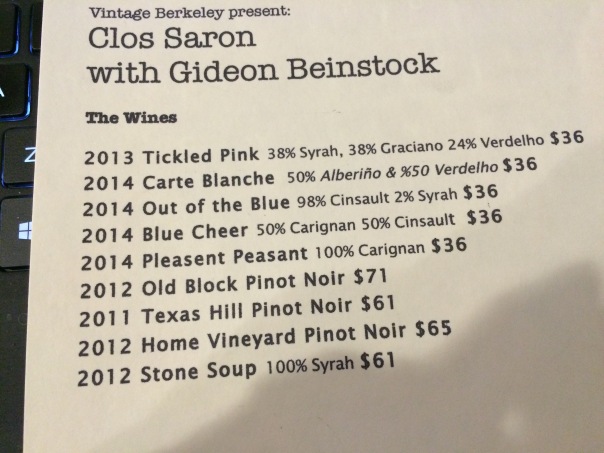
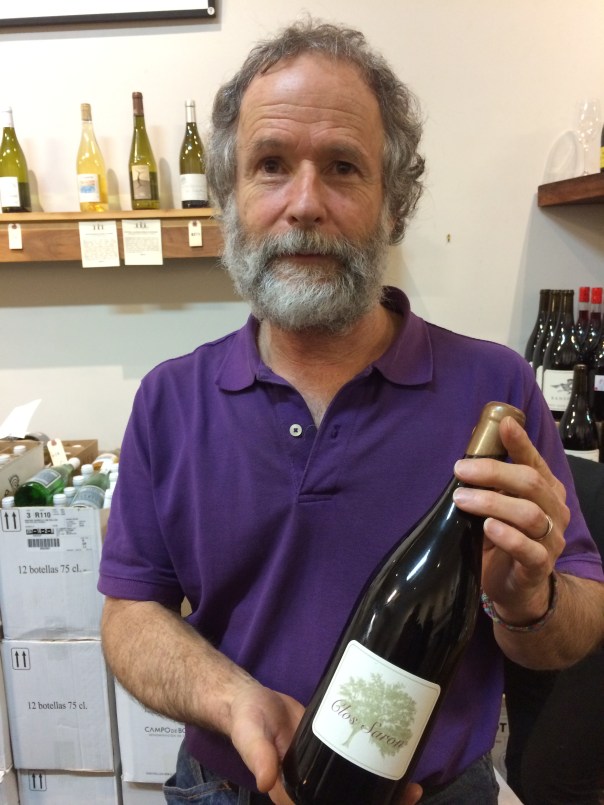
On Saturday evening, I returned and met Gideon Beinstock, the winemaker for Clos Saron, which is located in Yuba County, California, in the northern section of the Sierra Foothills AVA. The total production of Clos Saron is 800 cases, so don’t be looking for these at your local supermarket. They are currently re-planting some of their vines, so they are only bottling estate Pinot Noirs, three of them. The rest of their wines are sourced elsewhere. Here is the list from the tasting, which is most of the wines that they produce:

2016-01-18 08.35.48

I found the Cinsaults and the Carignans to be very interesting wines. The Cinsault vines were planted in 1885 and the Carignan vines in 1900. The blends that featured these wines were well-structured with relatively high acid and moderate tanins. They should age well and are interesting on a number of levels.

I was not a big fan of any of the Pinots, but to be fair, they are all young. Perhaps with a few years in the bottle, they will soften a bit. There was too much acidity for my taste, although each did have a distinctive nose and flavor range.

2016-01-16 18.35.34
Gideon Bienstock

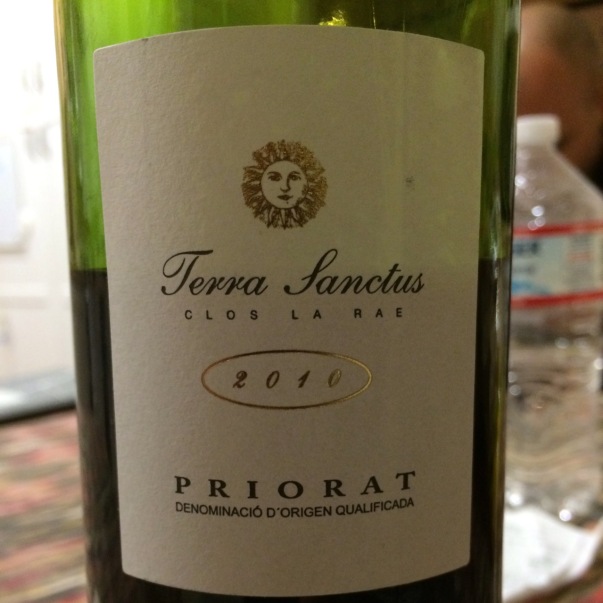
I bought a nice bottle of Terra Sanctus Priorat Blend from Catalunya and went home. The wine was excellent – well balanced, just short of chewy, with a nice viscosity and dark fruit and notes of minerality. I know I only scratched the surface of the Berkeley wine scene on this trip – but I will return!2016-01-17 17.53.02

2016-01-16 18.37.23
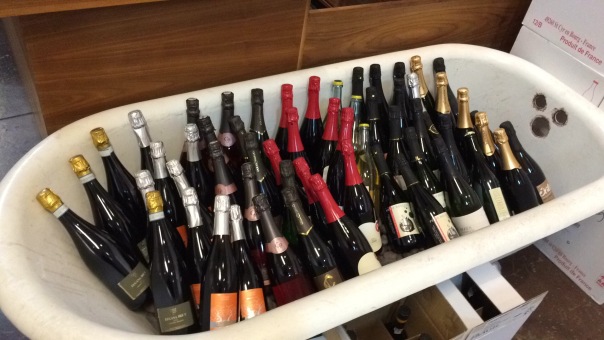
The Tub at Vintage Berkeley Wine Shop

PASO ROBLES TRIP, PART 2.TABLAS CREEK VINEYARD AND CALCAREOUS WINERY

As I noted in my last post (LINK), Dorianne and I went to Paso Robles  along California’s Central Coast region for three nights and two days of wine tasting with her sister and brother-in-law, Debby and Mike. Our daughter, Grace, joined us on the first day of wine tasting, but the four of us were on our own as we set out on Tuesday morning. We decided to keep it to two wineries to allow time for a nature walk later in the day.

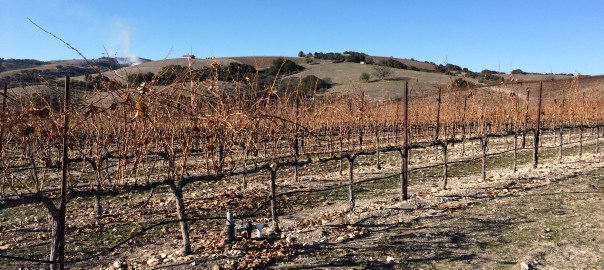
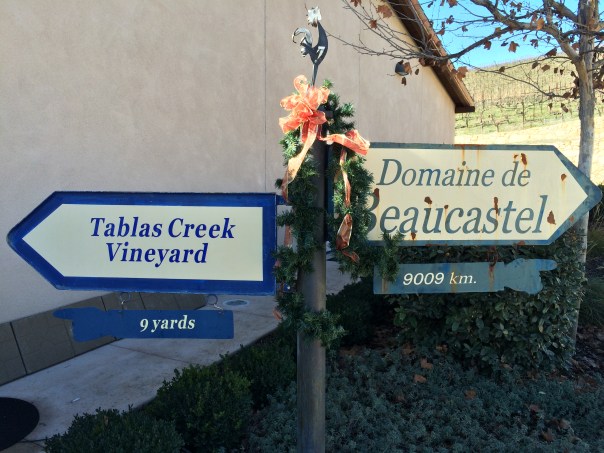
Our first stop on the west side was Tablas Creek Vineyards (LINK) in the Adelaida AVA of west Paso Robles. Long known for their expertise in Rhône varietalsTablas Creek has a Rhône River partner, Chateau Beaucastel (LINK) in France. You could spend months studying the Tablas Creek history, viticulture, wine making techniques, and tasting their wines (maybe a lifetime on that), but we only had a couple of hours.

2015-12-29 11.38.53

From the website (LINK) with embedded links:

Tablas Creek Vineyard is the result of a decades-long friendship between the Perrin family of Château de Beaucastel and Robert Haas, longtime importer and founder of Vineyard Brands. The families created a partnership in 1985 and in 1989 purchased a 120-acre property in the hilly Las Tablas district of west Paso Robles for its similarities to Châteauneuf du Pape: limestone soils, a favorable climate, and rugged terrain.

The partners imported the traditional varietals grown on the Perrins’ celebrated estate, including Mourvèdre, Grenache Noir, Syrah, and Counoise for reds, and Roussanne, Viognier, Marsanne, and Grenache Blanc for whites. These imported vines passed a rigorous 3-year USDA testing program, were propagated and grafted in our on-site nursery, and used to plant our organic estate vineyard.

Dorianne and I were members of the Tablas Creek wine club for a couple of years before we moved from Southern California. Their wines are beautifully crafted and many of their varietals are unique on the Central Coast, or even in all of California. They produce a few dozen wines, only three of which, called their core blends, are distributed widely. Here is the link to their wines page (LINK) for a more thorough description of each one.

Tablas Creek Vineyards and Tasting Room is located at the far west end of the Paso Robles area, which means that they are closer to the Pacific Ocean and its cooling influence. The tasting room is modern and state-of-the-art, with views into the winery. Several tasting stations surround a central core with displays of wines and other things for sale. As you approach the entryway, a display of grape vines for sale and a tub of stainless steel water bottles for guests to use during their visit.

The tasting room was crowded when we arrived. We found some space at a station being staffed by Suphada Rom, a very knowledgeable and well-traveled young woman from Vermont. Like many of the winery and tasting room workers in California, she arrived after some experience in Old World wine regions and developed a love for wineSuphada writes a wine blog (LINK).

The tasting experience at Tablas Creek involves the core blends and one or two varietals. To keep it short, I will just say that the core blends are always of a very high caliber. What I seek out at Tablas Creek are the single varietals. Our tasting included the 2013 Viognier and the 2013 Cabernet Sauvignon. Both were very good – the Cabernet being smoother and lighter, more elegant  than the typical Paso Robles-style Cabernet, which are big powerful wines.

Before departing Tablas Creek, we purchased a four-pack of varietals that included the 2013 Cabernet, 2012 Tannat2012 Picpoul Blanc (a varietal we enjoyed in France), and the 2013 Vermentino – a set that should provide many pleasures in the coming months.

Our next stop was farther east, up on a very high hill closer to Paso Robles on the border between the Adelaida and Willow Creek AVAsCalcereous (pronounced with two hard “C’s”) is another wonderful Paso Robles wine experience. The name comes from the limestone soils of the area.

From their website (LINK): “Father and daughter Lloyd Messer and Dana Brown realized their dream of finding a place to express their passion for wine in 2000, when they established Calcareous Vineyards on one of the highest limestone plateaus on Paso Robles’ westside. Both Lloyd and Dana, experienced wine distributors in their native Iowa, recognized the westside of Paso Robles had potential to produce world class wines. Their acquisition of 342 acres atop solid calcareous rock reaching 1,800 feet above sea level confirmed their dedication to producing the highest quality, terroir driven wines possible.  It is a labor of love to cultivate fruit on this challenging land, but the reward is immediately apparent when tasting the wines.”


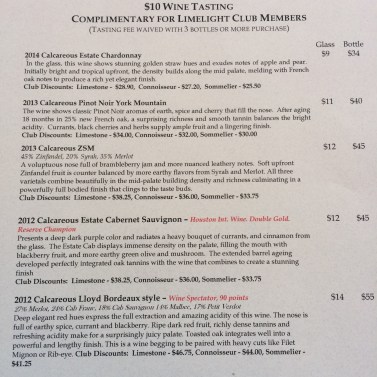
Everything about Calcereous is beautiful – the wines, the land, the tasting room, and the experience. Our tasting room host, Karl Jepsen, is from Denmark. He gave an animated and informative “wine seminar” as we tasted six wines (five from the list and one additional).

2015-12-29 13.20.04

Karl led us through the tasting, going over the provenance of each wine and adding some additional bits of information, such as how to determine which aspects of the bouquet of the wine come from the fruit and which come from the barrel.

Calcereous wines are premium wines – every wine we tasted was in the 90’s in my own mental ratings chart. We were given an impromptu tour of the  vineyard & winery as well. I think we spent nearly 3 hours there. Wine highlights were the 2014 Estate Chardonnay, the 2013 ZSM (a fantastic blend of Zinfandel, Syrah & Merlot), and the 2012 Lloyd Bordeaux-style Blend, a truly exceptional wine Our 1/2 case purchase contained all three of those.

A note about the restaurant where we ate lunch after these great winery experiences – Fish Gaucho (LINK) in downtown Paso Robles did not disappoint. Very good Mexican dishes, large portions, and a nice atmosphere with good service. It’s worth a look when you are in Paso Robles.

There are over 200 wineries in Paso Robles, California. We visited just five of the more established producers on this short trip. I look forward to returning soon and exploring some of the smaller and newer producers.

As always, your comments are welcome.

And it was chilly – here are Dorianne and Debby clearing the ice from the car in the morning.

2015-12-30 08.46.55


Copyright 2016 – Jim Lockard

POURING PENFOLD’S GRANGE DOWN THE SINK? ONE WINE RETAILER DID

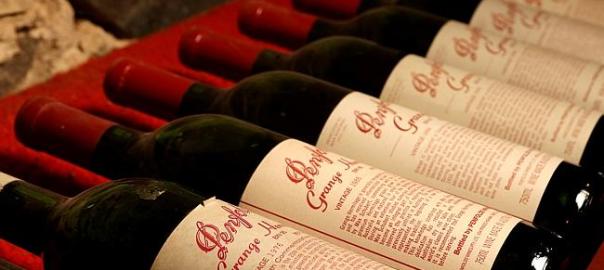
As some of you know, my primary bucket list wine is Penfold’s Grange – the classic great Shiraz from Australia. One of these days, I will get a well-aged bottle and enjoy one of those legendary wine experiences, hopefully with a good friend.

Note to self – probably NOT the 2011 vintage!

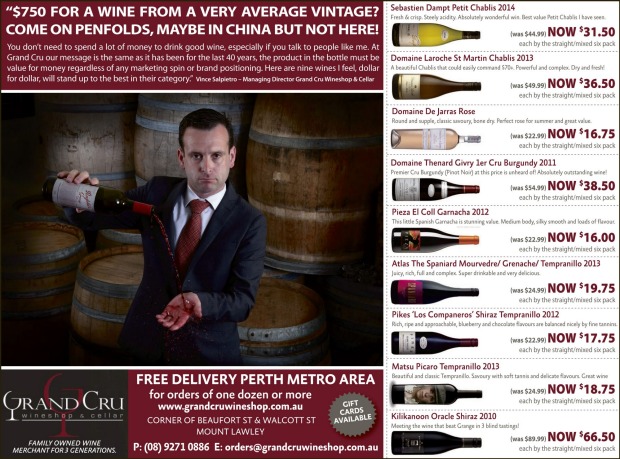
Apparently, the latest vintage of the wine is not up to normal standards. In fact, one Perth, Australia wine merchant poured two bottles down to sink to show his distaste for the current vintage (and to get a bit of publicity), according to an online article in the Australian Financial Review.

A sad state of affairs. I just want to let the good people at Penfold’s know that I am available to give a second opinion on the 2011 vintage of their Grange.

I live to serve.

You can read the story for yourself at the link.  (LINK TO ARTICLE)

Wine - Penfolds Grange Poured Out

BORDEAUX – PARIS – CHAMPAGNE – JOIN ME IN MARCH 2016

I am very pleased of officially announce the launch of DELUXEWINETOURS.COM (LINK), my new venture with Journey Different, Inc. to provide unique wine tours in France. Our focus is on bringing wine lovers into contact with wine makers and others in the industry in the great wine regions of France.

2015-05-07 14.08.47
Chateau Guibeau and its Organic Vineyards in St. Emilion are on our Itinerary!

Why France? Because France is the modern-day cradle of all things wine. Wine may not have originated there, but modern wine culture is centered there. And, it is a truly beautiful country, offering great cities such as Paris and Lyon that can be added to itineraries and provide a much richer experience.

You are invited to join us for this unique and exciting inaugural tour!

2015-04-29 18.08.03
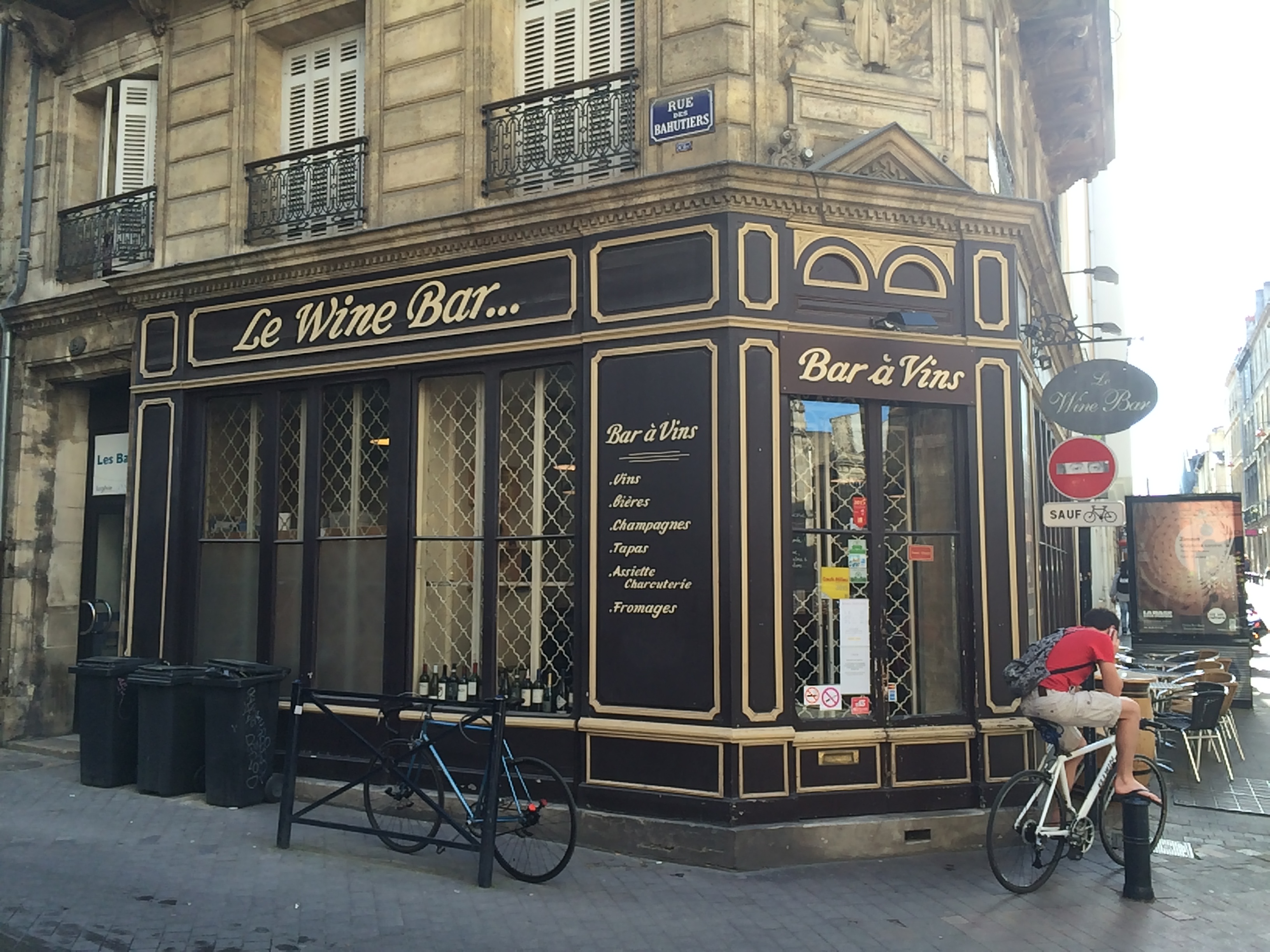
Le Wine Bar, the top-rated wine bar in Bordeaux is on our itinerary!

Our first small group tour, scheduled for March 15-22, 2016, is to include Bordeaux, Paris, and Champagne.

We will combine visits to châteaus with great meals (some of them IN the châteaus) and fine wine tastings, wine seminars, luxury accommodations, local guides and experts, time in the vineyards, opportunities to purchase fine wines to ship home, a literary walking tour, TGV train travel, and more!

Did I mention that there would be great food? 

Visit our website (LINK) for all of the information and to register at a limited time discounted price.

Tell your wine-loving friends about this great opportunity to experience the best of French wine culture with me!

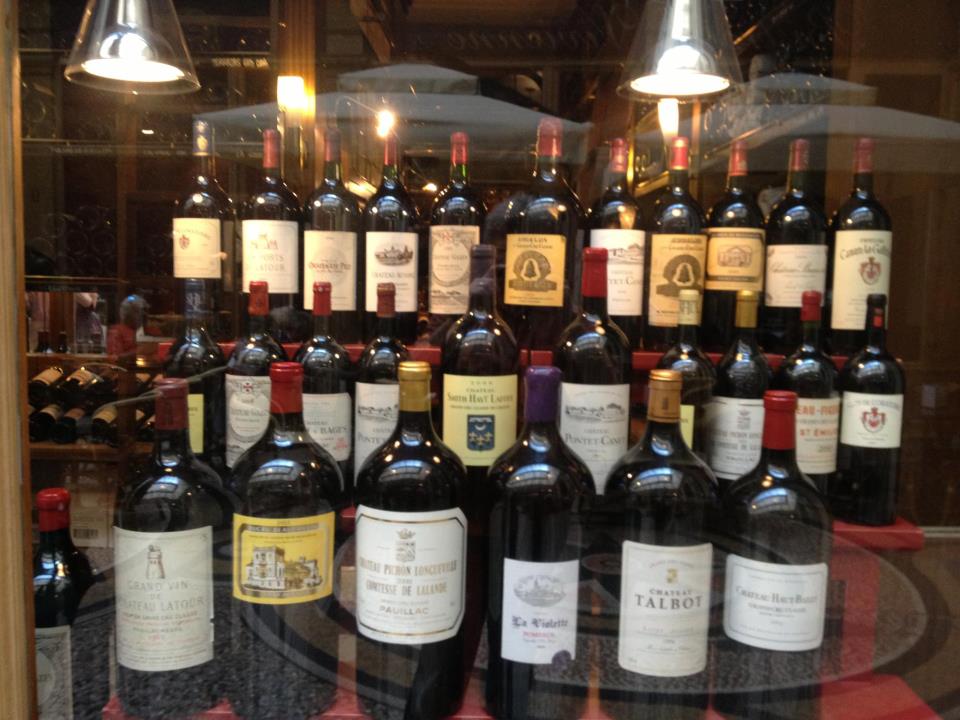
Wine - Paris Wine Shop Display
Large Format Bottles in a Paris Wine Shop Window.

SIX WEEKS IN PROVENCE DRINKING WINE – SUMMING UP

How to sum up six weeks in Provence?

I can begin by saying that we only visited a portion of the region. We were based in the northern part of Provence, in the village of Villeneuve-les-Avignon on the Rhône River, where two major wine regions converge: Languedoc-Roussillon and Côte-du-Rhône. In our immediate area were over a dozen A.O.P.’s, or Appellation d’Origine Protégée, which replaced the A.O.C. or Appellation d’origine Contrôlée designation in France in 2009 (LINK). So there were plenty of wines to taste and vineyards to visit very close to us.

2015-07-25 11.56.54
The View from our AirBnB Apartment in Villeneuve-les-Avignon.

And, this trip was not just about wine (!) it was also a time for Dorianne and I to write, to explore the history of the region and meet people, and to see if we might want to settle here someday soon. And, as it turned out, to see if I am going to extend my new wine tour business to this area.

I have already blogged about several of our experiences during our stay (best key word to search is Provence), and Tweeted just about every wine we had on my Twitter account – @JimLockardWine.

But, some additional tidbits.

We first encountered Lauren, proprietor of the marvelous Arts, Design, and Wine Shop in Villeneuve-les-Avignon on the day we arrived. The shop is on the town square and has a nice selection of local wines plus design items from wristwatches to sunglasses to home décor items and wine glasses – all very nice stuff, by the way. Lauren spent some time living in Los Angeles, so his English is excellent. We asked him about the local wines and he gave us a lot of information and sold us our first two bottles of local wine, a 2014 Château d’Estoublon le Rosè and a 2014 Château La Verrerie Blanc, a Provençal Rosè and a white from the nearby Luberon Valley. We were off an running.

It was Lauren who told us to serve the area wines, including most of the reds, chilled – Châteauneuf-du-Pape being an exception. And, after asking if we had appropriate glassware in our apartment, Lauren loaned us two sets of very nice wine glasses for our stay, which was six weeks. He also pointed us to MistralTour.fr (LINK) and the amazing Valentina Cavagna, who took on a memorable tour of Châteauneuf-du-Pape, Gigondas, and to Domaine de la Verrière in Crestet that I blogged about previously (LINK). So Lauren is the kind of key person that you want to look for on journeys such as this – the one who knows the local scene and, ideally, loves to talk about it.

2015-08-14 18.15.59

Dorianne and I had most of our meals in our two bedroom apartment [AirBnB.com listing(LINK)], so we bought wines, mostly rosès, from Lauren and other local shops until we began visiting the wineries. Local wines start at around 3€ and go up, the top end being under 30€, except in Châteauneuf-du-Pape and one or two other places. Wine here is a great value. We found a nice sweet spot for rosès at around 10€ per bottle.

If I take away two main revelations from this trip, it will be these:

  1. The rosès of Tavel, the only O.P. in France devoted exclusively to rosè wines. These wines were a revelation of complexity, some even being age worthy. Definitely a departure from the standard Provençal rosè, in the way that a great Napa Cabernet differs from an everyday supermarket Cabernet. The other rosès were fine to drink, but the Tavels raised the bar quite a bit. It’s the sort of thing that you don’t know you are missing until you have some.
2015-08-31 12.05.21
Age Worthy Tavel Rosè Wine.

2015-08-29 13.40.32


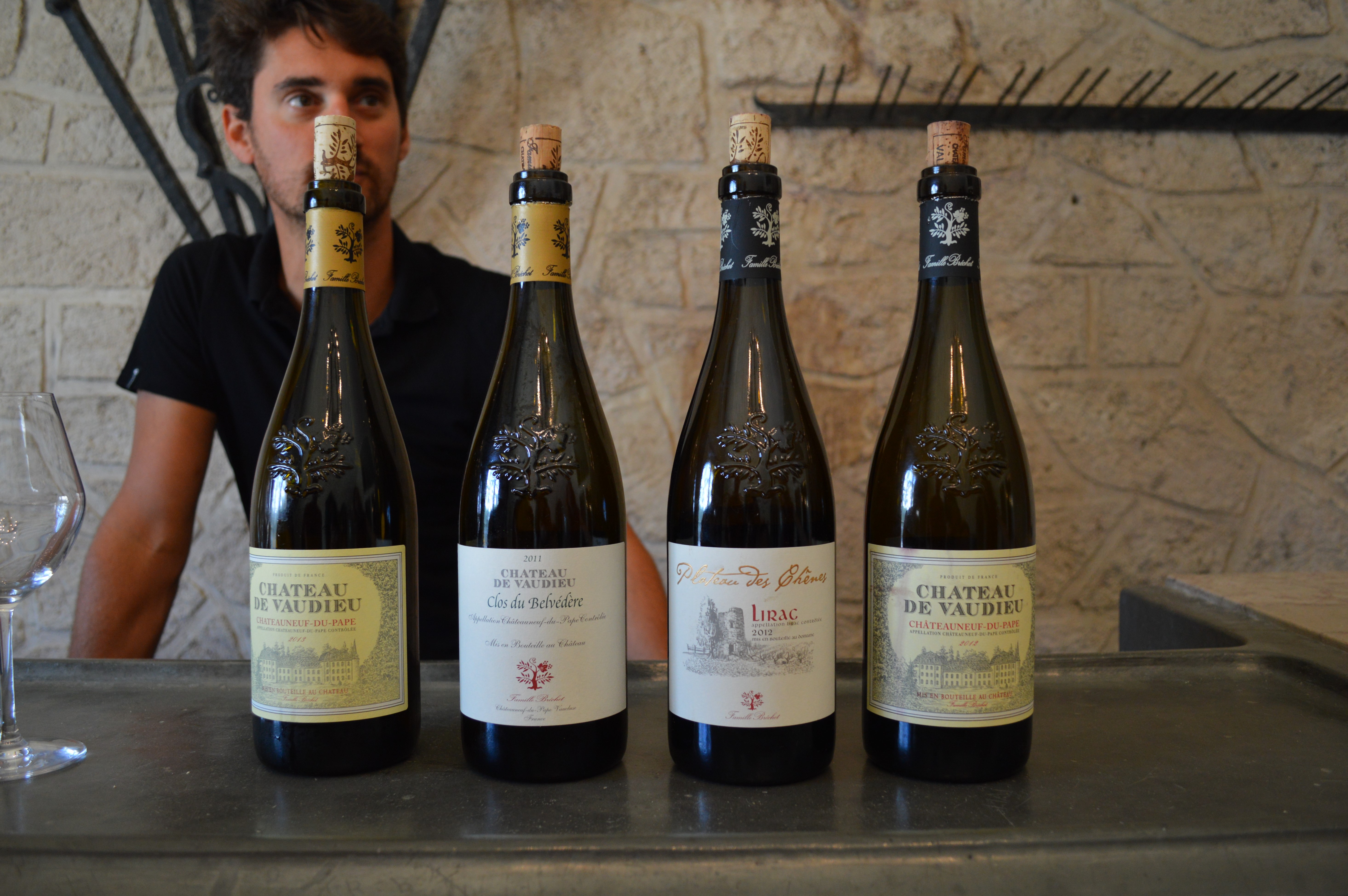
  1. The white wines of Châteauneuf-du-Pape, Lirac, and Gigondas were also a pleasant discovery. I did not know that whites were a factor, r even necessarily present, in these regions, and the complexity, beauty and approachability of these wines converted me instantly. If you can find white Châteauneufs in your area, try one. Cold, but not too cold – maybe out of the fridge for 15-20 minutes before serving. These blends of Grenache Blanc and Rousanne with small amounts of other varietals are among the best white wines I have ever tasted. Lirac in particular was a revelation – Châteauneuf – style wines, same varietals, different side of the river, at much lower price points, often made by the Châteauneuf wine makers themselves.
2015-08-14 10.00.08
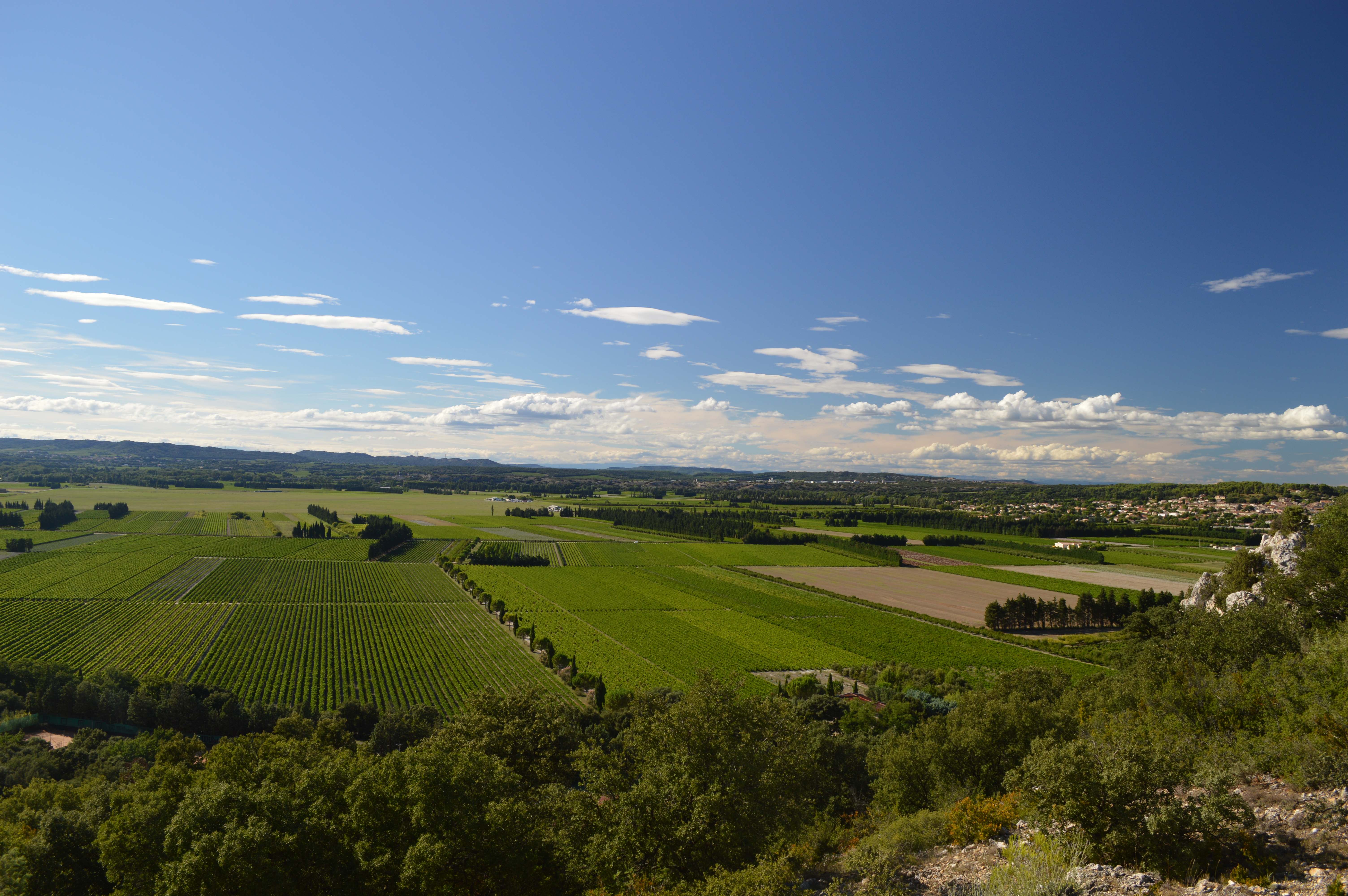
Château Vieudieu in Châteauneuf-du-Pape.
DSC_0372
Château Vieudieu’s Châteauneuf-du-Pape Wines

 I know that there is much more to the Provençal wine scene – we did not get to the south on this trip, although we have been there before. I do think that the north, with it’s proximity to the Rhône River Valley is where the bulk of the better wines are cultivated and made.

As far as places to visit in northern Provence, I strongly recommend Avignon for the history and the food and wine in some of its better restaurants; the hill towns in the Ventoux and in the Luberon Valley, where good wine is cheap and the history and the landscape are so captivating; Nimes for really spectacular Roman ruins and a great old town center; and Gigondas for great wine and a very vertical hill town overlooking the Rhône River Valley. It gets pretty cold in the winter in the region as the Mistrals, the cold north winds, blow through the valleys, but spring, summer, and fall are all beautiful in Provence. But you probably already knew that.

We will be leading tours here beginning in the second half of 2016, so stay tuned.

2015-08-14 15.45.27 DSC_0469 2015-08-29 17.27.49 DSC_0369

Copyright 2015 by Jim Lockard

LIVING THE LIFE IN PROVENCE AND A VISIT TO TAVEL – THE BEST ROSÉ

I haven’t posted in a while, because Dorianne and I have been focusing on some writing projects and dining in our apartment for the most part. We are sill in Villeneuve-les-Avignon, the picturesque village across the Rhône River from Avignon in northern Provence.

This weekend, we were invited by our friend Richard Major, who lives in Mazan in the Ventoux region, to a party being hosted by an ex-pat American couple celebrating one year of living in France. There would be ex-pats from the United Kingdom, New Zealand, and other nations, plus a few French neighbors. So, of course, we were interested in attending. I won’t use any names here, because I did not get permission to do so. Here is the sunset from the home.

2015-08-28 20.09.41

The home was located in the hills above Bédoin, a picturesque (they are ALL picturesque) village near the base of Mont Ventoux. The couple, from California, and their two children seemed very happy with their choice to move to Provence. We also spoke with a number of other ex-pats and a couple visiting from the U.S., also from California, who own a home nearby, but still live in the States.

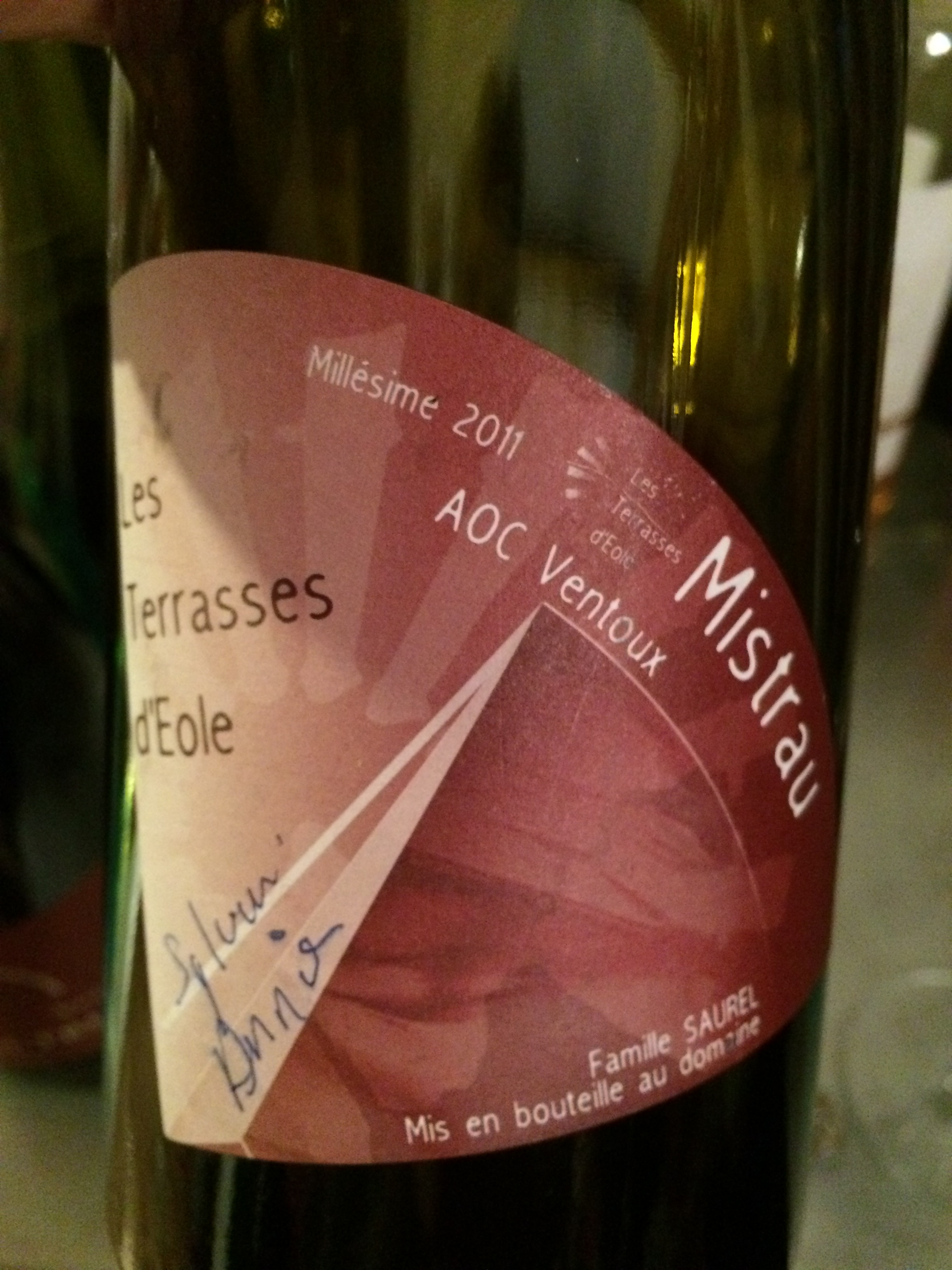
The dinner was pot-luck, and there was a good bit of local wine. The Ventoux Region (LINK) is known for Grenache, Syrah and Mouvèdre, with  Cinsault and Carignan – the usual Rhône Valley suspects. In the Ventoux A.O.P., no varietal can be more than 30% of the blend. Here are some images of some of the wines served at the party.

2015-08-28 21.02.01 2015-08-28 21.02.12 2015-08-28 21.02.28 2015-08-28 21.02.38 2015-08-28 21.02.49

Suffice to say, Dorianne and I were impressed by the lifestyle and the conviviality of the English-speaking ex-pats in this part of Provence. It gave us more food for thought about our future home base.

After an overnight at Richard’s in Mazan, we headed for a day in Tavel, the only A.O.P. in France where only rosè wines are allowed; and then over to Châteauneuf-du-Pape for lunch and a visit to Les Caves St Charles, which will be detailed in a separate post.

It was a very special day. If you stay off of the highways, this part of France is a treat for the senses – beautiful panoramas of low hills, valleys, fields of grapes and olive trees, rustic farmhouses – simply beautiful. We traveled down one-lane roads through vineyards and tiny villages, smelled the aromas in the air, and heard almost nothing – silence. It was a very peaceful way to travel.

Tavel (LINK) is located on the right bank of the Rhône River, bordering the Lirac A.O.P., and very close to Avignon. First, let’s look at A.O.C. and A.O.P.

The French government, not too long ago, officially announced that the long standing A.O.C. (Appellation d’origine contrôlée) system for wine is being replace by an new quality ladder with the top step being an A.O.P. (Appellation d’Origine Protégée) (LINK). So, since about 2009, the correct designation is A.O.P.  – – That’s just F.Y.I.

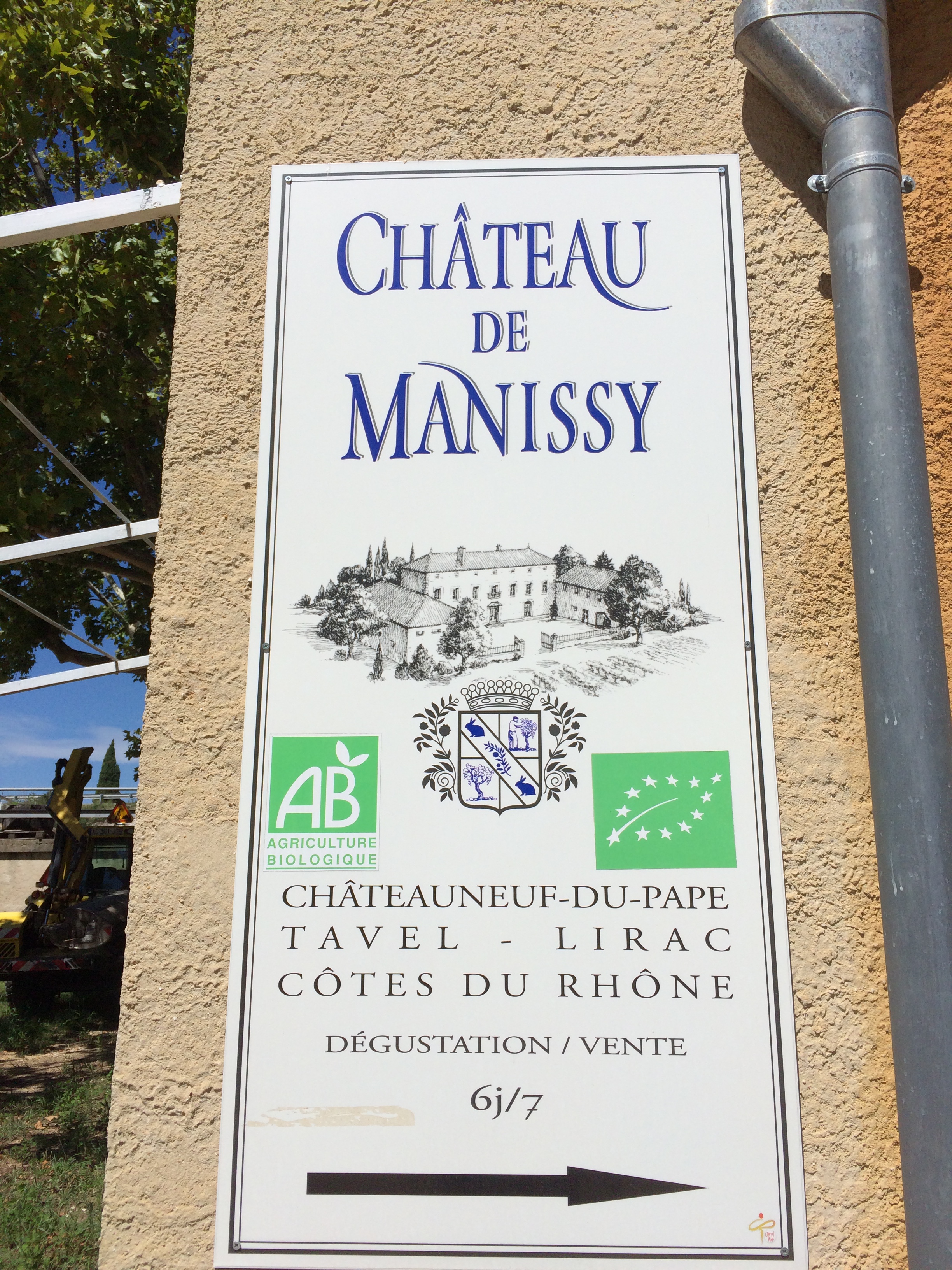
We chose Château de Manissy (LINK) in the  Tavel A.O.P. from a list online. We are very glad that we did. Owned by the Holy Family’s Missionaries, it has produced rosè wines since the beginning of the 20th century and acquired a famous reputation with the “Tête de Cuvée” wine, a barrel-aged rosé. The monks turned over the viticulture and wine-making to a young many from TavelFlorian André, who was in his early 20’s at the time. Monsieur André has continued some of the traditions of the monks, and oversaw the conversion to an organic winery in 2009. He has also modernized some of the techniques, while keeping that barrel-aged rosé in production. By the way, the monks still live in the Château.

2015-08-29 13.40.32 2015-08-29 13.40.55 2015-08-29 13.41.42 2015-08-29 13.49.04

We arrived a bit early for our 2:00 pm appointment, so we wandered the grounds a bit before being met by Anaïs, the Tasting Room Manager. She took us out to the vineyards and we discussed the viticulture of the region. It turned out that her English was so good because she spent a year (2013) working at Tablas Creek Winery in Paso Robles, known for their Rhône varietals and techniques. As it happened, Dorianne and  I were in the Tablas Creek wine club in 2013. Anaïs told us that her father is the winemaker at Famille Perrin/Perrin & Fils in Tavel, and they partner with Tablas Creek in a number of ventures. Small world.

2015-08-29 13.57.42
Anaïs – Tasting Room Manager.
2015-08-29 14.19.40
Manissy’s Chateauneuf-du-Pape – from a Single Hectare Vineyard. 100% Grenache.

It also turned out that our guide on a previous tour (LINK) of Châteauneuf-du-Pape and GigondasValentina of MistralTour.fr, used to work at Château de Manissy. Smaller world.

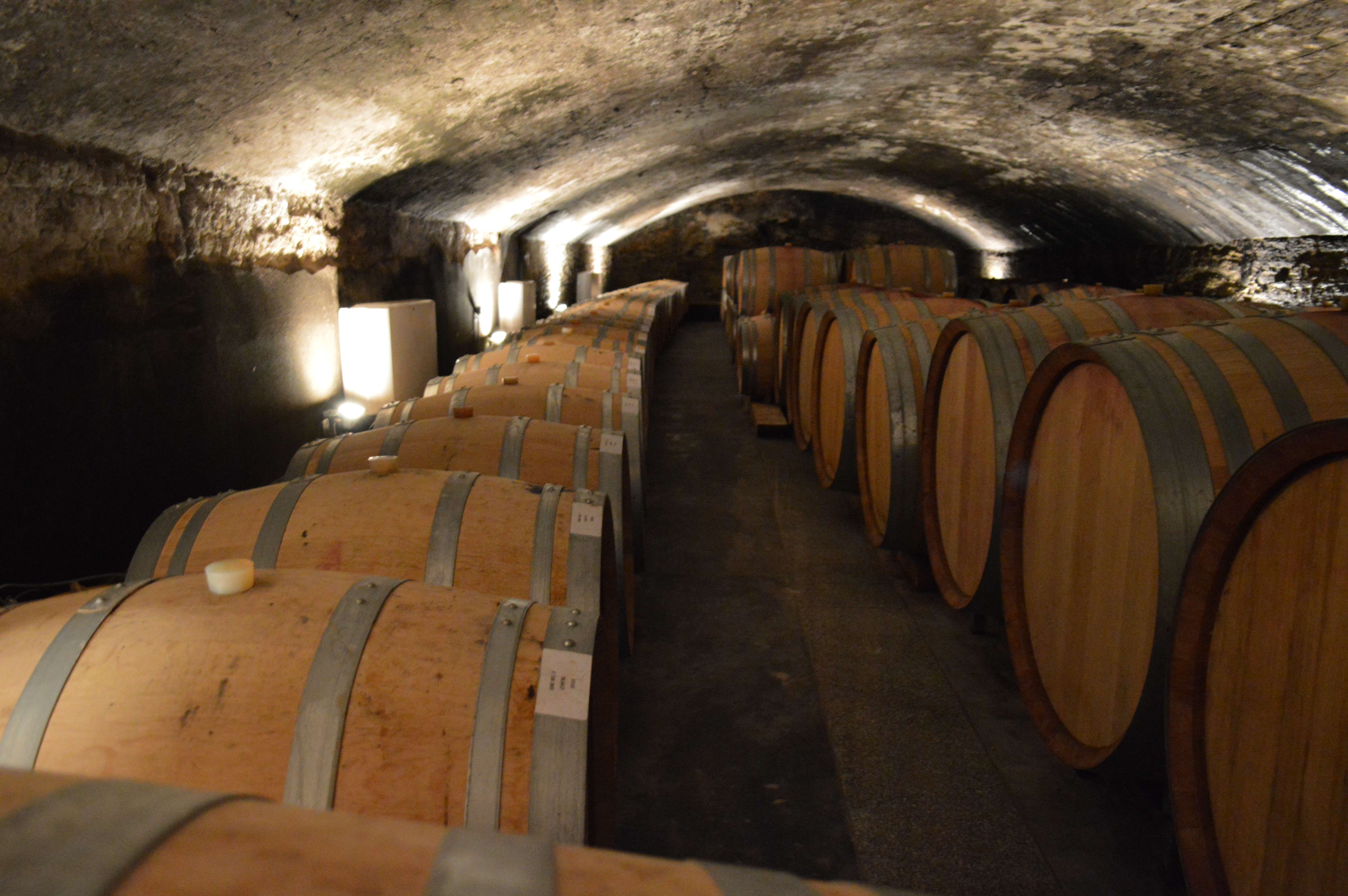
We did a tasting and then toured the wine-making operation.

First, we tasted a white from another area of vineyards and a Côtes du Rhône – Rosé of Grenache 40% – Carignan 40% – Cinsault 10% – Syrah 10%. This wine, not from 100% Tavel fruit, was closer to the rosé wines of the larger Provencal region. It was lighter and crisper than the wines to follow. They also make some other wines from vineyards outside of Tavel, all were good and very reasonably priced, but they are not why you want to visit Château de Manissy, or the wines you want to try.

The rosé wines of Château de Manissy, and of Tavel in general, are unlike other rosé wines from Provence. They tend to have a deeper pink to red color and be bolder. This is true of the 2013 Tavel Rosé that we tasted, a blending of principally Grenache, Clairette, Cinsault and Bourboulenc, from about 40 years old vines. This is a bolder, more structured rosé with a sense of terroir, unusual in a rosé. There is also a nice balance of fruit – this wine manages to be refreshing and structured enough to pair with chicken or other fowl. This wine is a good representative of the moden Tavel A.O.P. rosés.

2015-08-29 14.19.58 2015-08-31 12.05.57

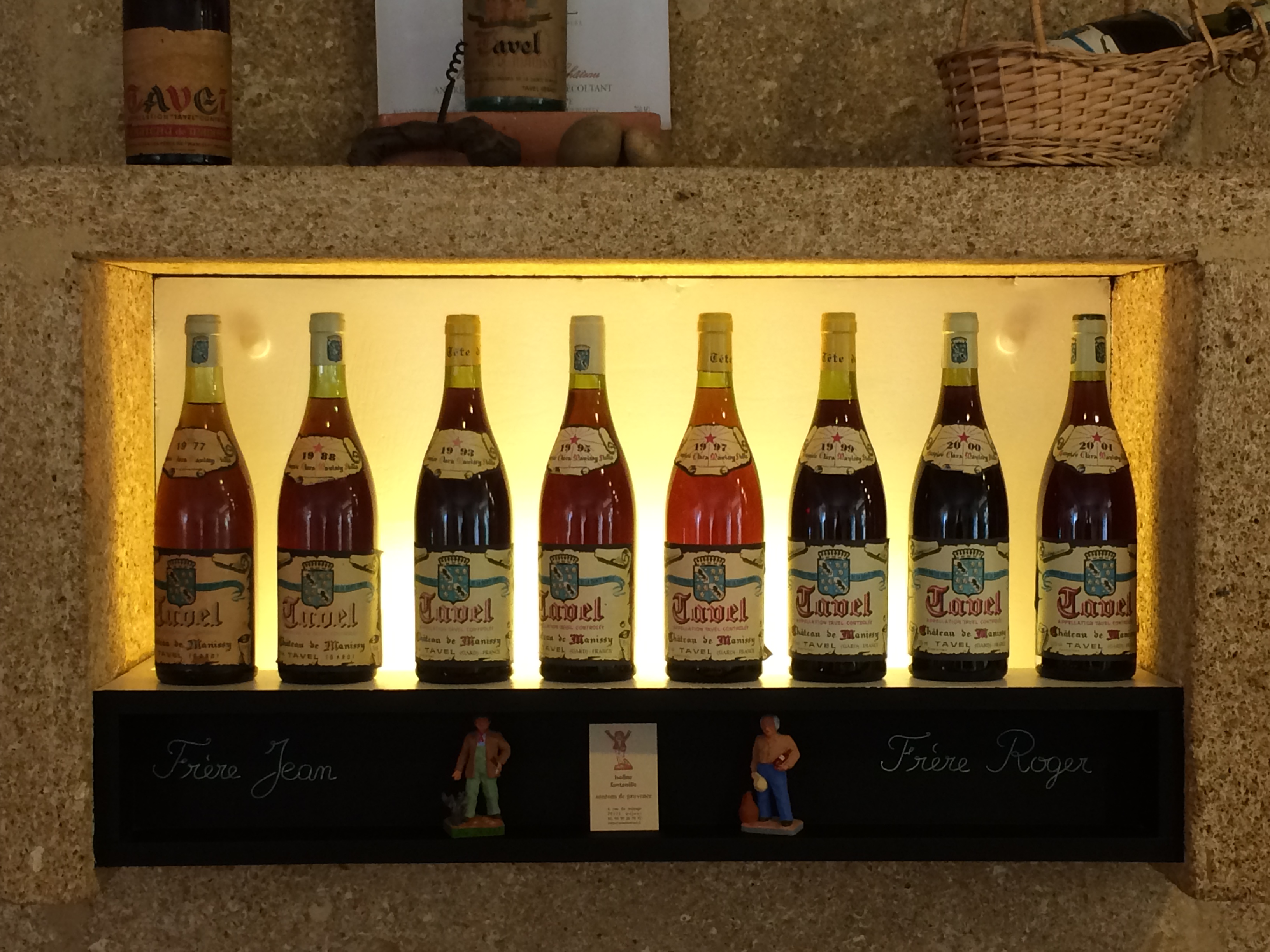
Then, we had the unique 2013 Tête de Cuvée, the barrel-aged rosé that is the last vestige of the monks’ style of wine making. This is a unique rosé in almost every respect. It is aged in small oak barrels, bottled in brown glass like a red wine, it pairs with beef and other meats, it is made to age for decades, and it is made to consume year-round. It is a blending of Grenache, Clairette, Cinsault, Bourboulenc and Carignan. It is mentioned but not listed for sale on their website, and there is very little information about this wine on the internet that I could find. This would be a wonderful wine for Thanksgiving Dinner, strong enough to stand up to turkey and gravy and such, but supple enough to match pretty well with all the other appetizers and side dishes that show up at that feast that is so hard to find good wine parings for. We have two bottles that will travel home with us for this purpose. Oh, and the 2013 Tête de Cuvée was priced at 11€ or about $12.00 – one of their more expensive wines!

2015-08-29 14.19.34
Tête de Cuvée Rosés Gone Back to 1977

2015-08-31 12.05.21

It is also worth noting that Anaïs told us that we were the very first visitors in 2015 from the United States. I found this surprising, but then again, Tavel is not well known in the U.S. If you are looking for rosés for the remainder of the summer and into the cooler days of autumn – see if your wine retailer has wines from Tavel – you won’t be disappointed.

I will post about the other part of our day – a return to Châteauneuf-du-Pape, in the next post.

Photos and text Copyright Jim Lockard 2015.