Category Archives: Wine Travel

“THE BEST RESTAURANT IN THE WORLD:” COPENHAGEN’S NOMA – PART 3: THE LAST HALF OF THE MEAL

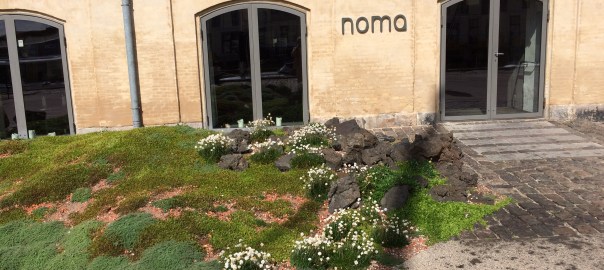
Noma, the Copenhagen restaurant that has been voted “The Best Restaurant in the World” (LINK) over and over, was the site of a recent visit by Dorianne, two friends, and me recently. Here are the links to the first two installments of the series: (LINK TO PART 1)  (LINK TO PART 2).

This post covers the second half of our 18 (actually 20) course meal and wine pairing.

Course #10:
2015-07-22 13.22.07
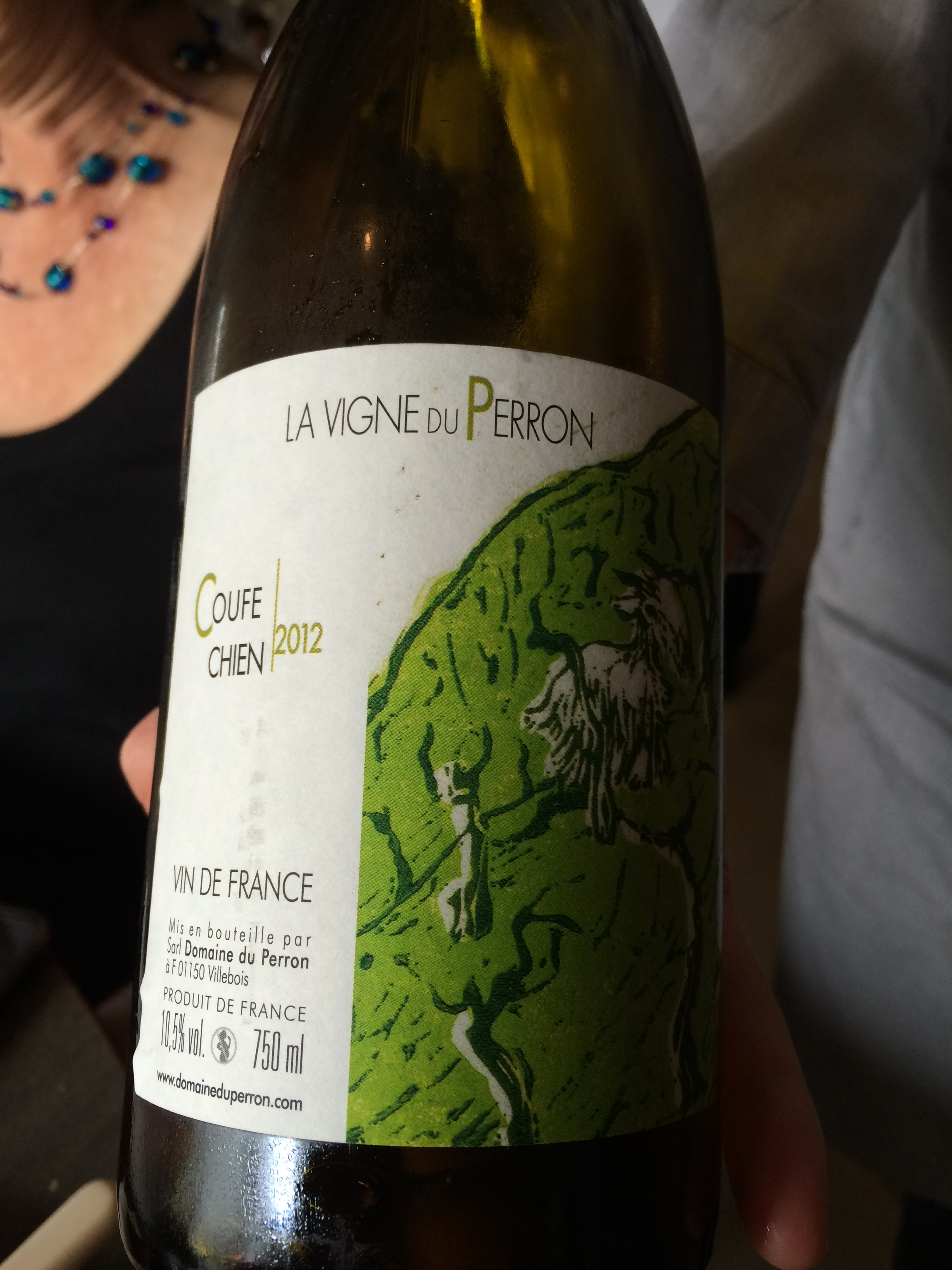
2012 Coufe Chien, Domaine du Perron, Bugey – Savoie
2015-07-22 13.22.44
Mahogany Clam and Grains.
2015-07-22 13.22.48
Mahogany Clam and Grains.

Our wine for this and the next course is a 2012 Coufe Chien, Domaine du Perron, Bugey – Savoie, Chardonnay (LINK to the 2011) from the Rhone Valley. Young and high in acid with an aromatic nose and hints of citrus, it was a perfect accompaniment to the Mahogany Clam.

The single clam was mounted on a bowl of wet stones (which we were advised not to eat). The uncooked clam meat was sitting in a marinade with a dusting of samfire (LINK) around the top of the shell. The dish was to eaten with a wooden fork. It was delicious – I could have eaten the rest of the dozen, but alas, it was not to be.

Next:

2015-07-22 13.31.40
Monkfish Liver on Toast.
2015-07-22 13.31.45
Monkfish Liver on Toast.

This course, Monkfish liver, cooked then chilled and served very cold on toast, sitting atop a folded napkin. This was a particularly succulent dish, with a great texture and flavor. The Coufe Chien was a beautiful match for this dish. Eaten with fingers.

Next:

2015-07-22 13.43.49
White Asparagus, Goosefoot, and Barley.
2015-07-22 13.44.28
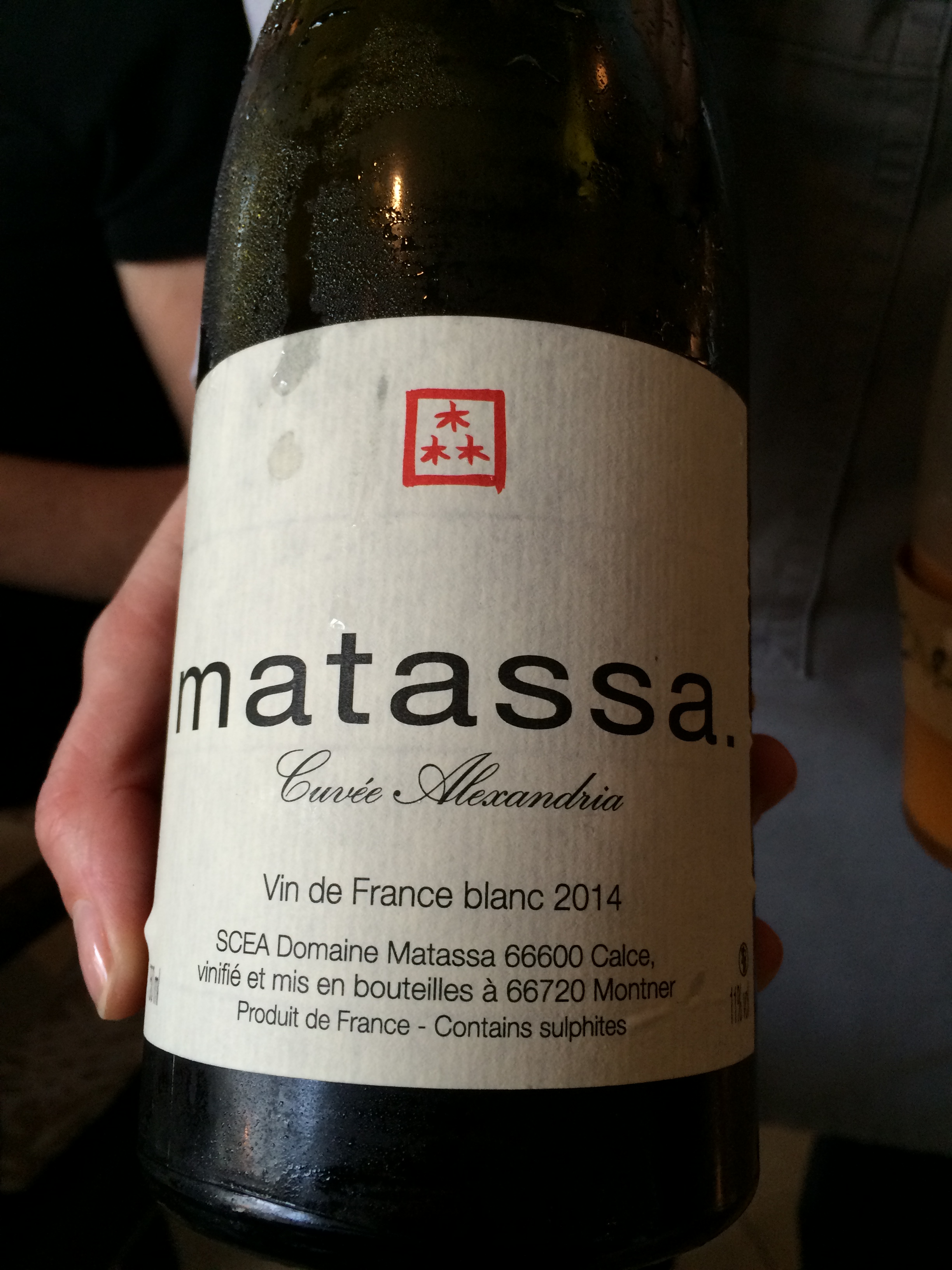
2014 Cuvée Alexandria, Domaine Matassa, Calce – Cote Catalan

Our next wine, a 2014 Cuvée Alexandria, Domaine Matassa, Calce – Cote Catalan (LINK – click on Cuvée Alexandria), is described as a “raw wine,” made from a grape called Muscat d’Alexandria. You won’t find much about this wine, from the Catalan hills in extreme southwest France, online, and I doubt that you will be finding this wine in your local wine shop. The wine is unfiltered, very young and is very raw. I would describe it as bitter and a bit sour. Not for sipping. It reminded me of the must right after fermentation, while the wine is still in the fermentation vessel.

It was served with only one dish, a white asparagus, goosefoot (LINK), and barley plate, this one eaten with utensils. The asparagus was amazing – tender and delicious, the goosefoot and barley added notes of green sour and some texture. And, I was surprised to see that there was some justification for the wine pairing. The Cuvée Alexandria was a decent match, adding to the sour notes of the dish (you would have to like sour), and extending the flavors through a long finish. Intriguing.

For the next course, a new wine:

2015-07-22 13.50.39
The Glasses Accumulate.
2015-07-22 13.53.44
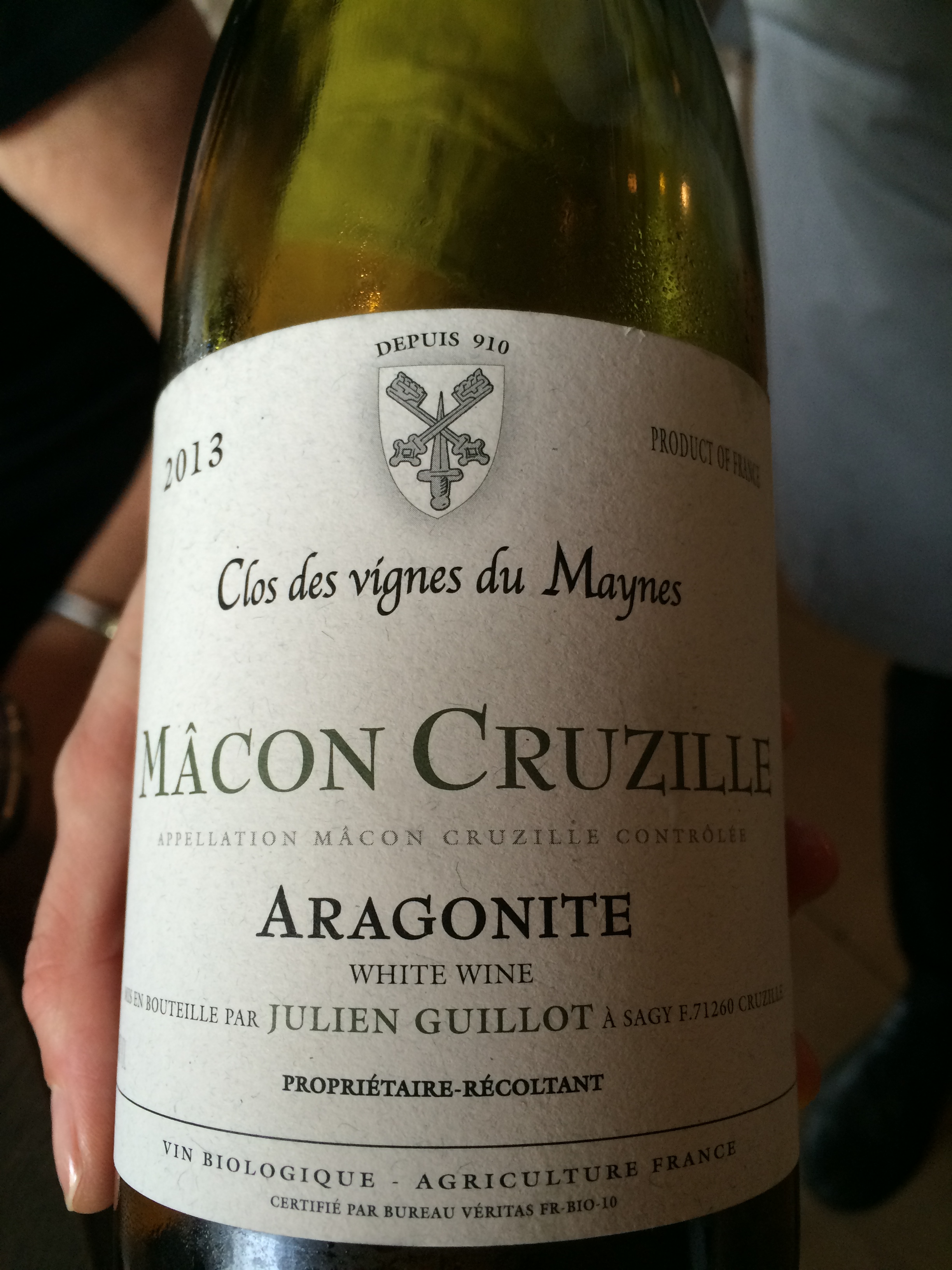
2013 “Aragonite” Julien Guillot, Cruzille – Macon
2015-07-22 13.54.19
Vegetable Flower.

The new wine, a 2013 “Aragonite” Julien Guillot, Cruzille – Macon (LINK)Burgundian Chardonnay, was a return to wine-normalcy for me. Fragrant, well-structured, and clean, the wine drank very well.

The first of two pairings with this wine was called vegetable flower. As you can see, it was nasturtium flowers in a vegetable broth. Delicious and delicate, the wine did not overpower this dish.

Then:

2015-07-22 14.01.53
Lobster and Nasturtium.
2015-07-22 14.02.06
Lobster and Nasturtium.

Lobster and nasturtium was next. A North Sea lobster tail served with nasturtium leaves attached. Paired with the Julien Guillot Chardonnay, it was one of the highlights of the meal.

Now, we enter into a bit more unusual territory:
2015-07-22 14.18.24
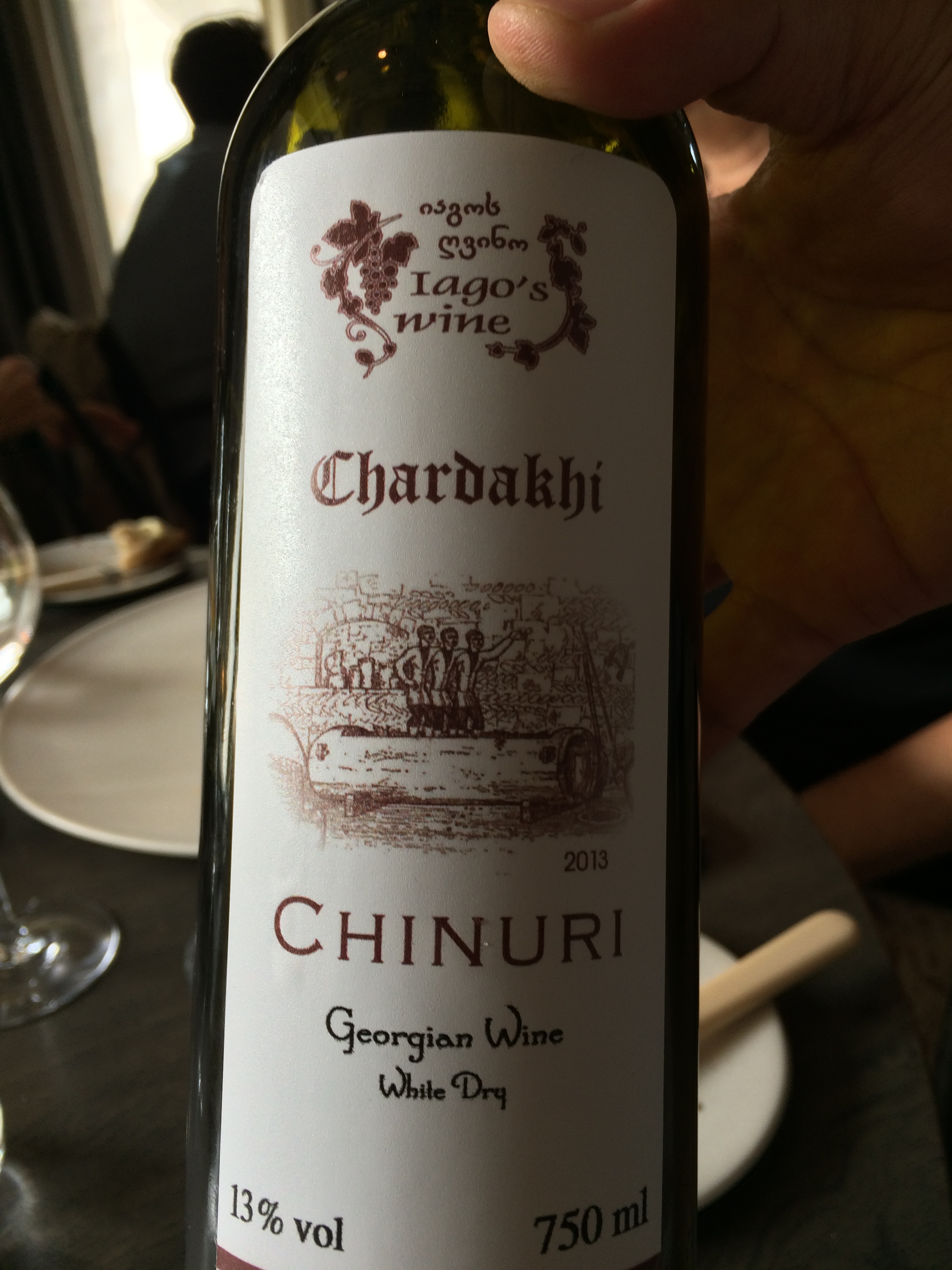
2013 Chinuri, Iago’s Wine, Chardakhi – Georgia.
2015-07-22 14.18.34
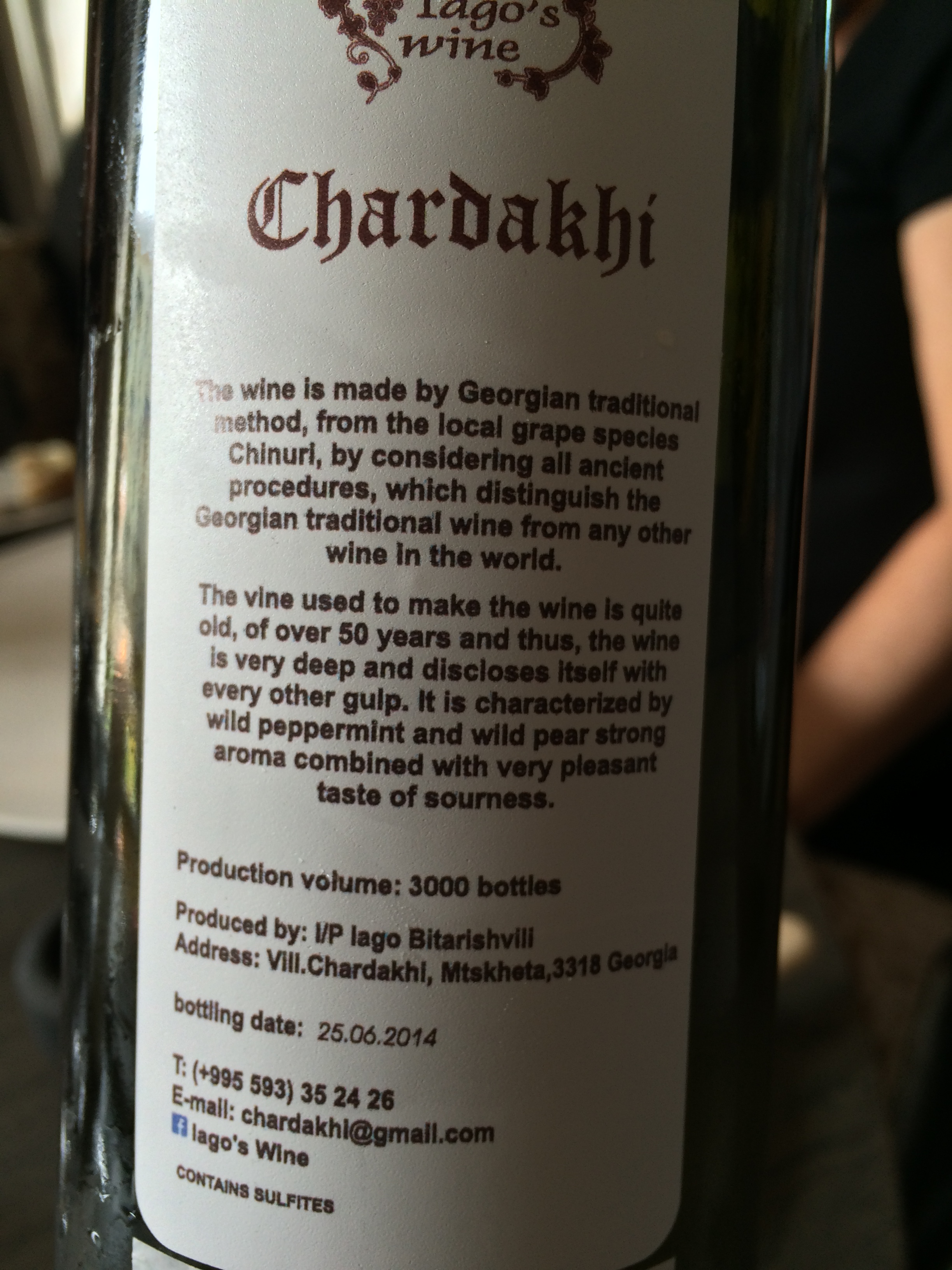
2013 Chinuri, Iago’s Wine, Chardakhi – Georgia. Back Label in English!

2015-07-22 14.21.34The next wine, a 2013 Chinuri, Iago’s Wine, Chardakhi – Georgia (LINK)was most unusual. Unfiltered, young, sour. Even more so than the Cuvée Alexandria mentioned earlier. This wine was almost unpleasant – there was wine in the mix somewhere, it was just hard to find.

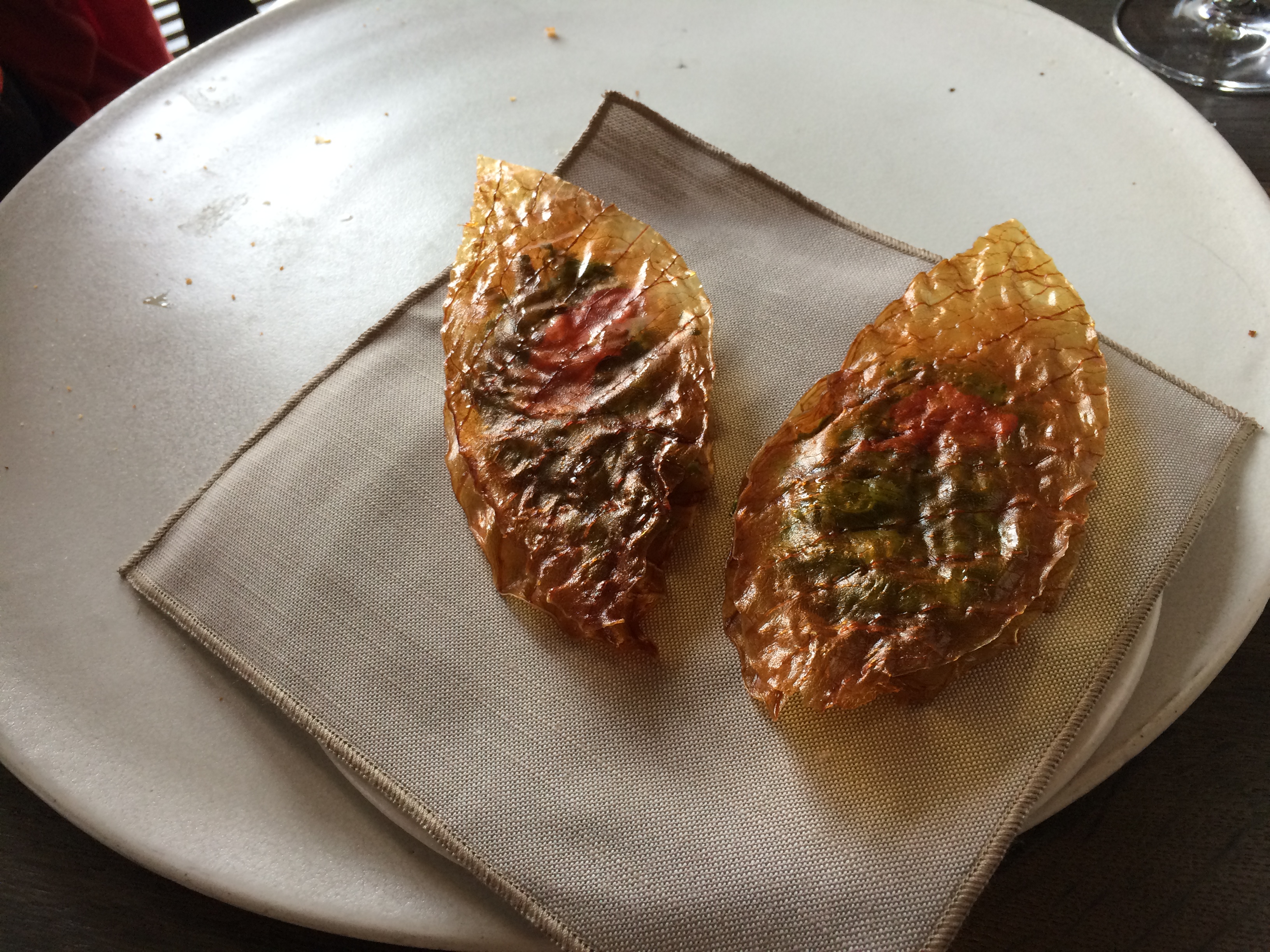
The first pairing was a dried fruit “leather” shaped into a leaf with a number of other items on it, including some garlic and grasshopper flour. It had the consistency but not the flavor of licorice and was very good.

Next:
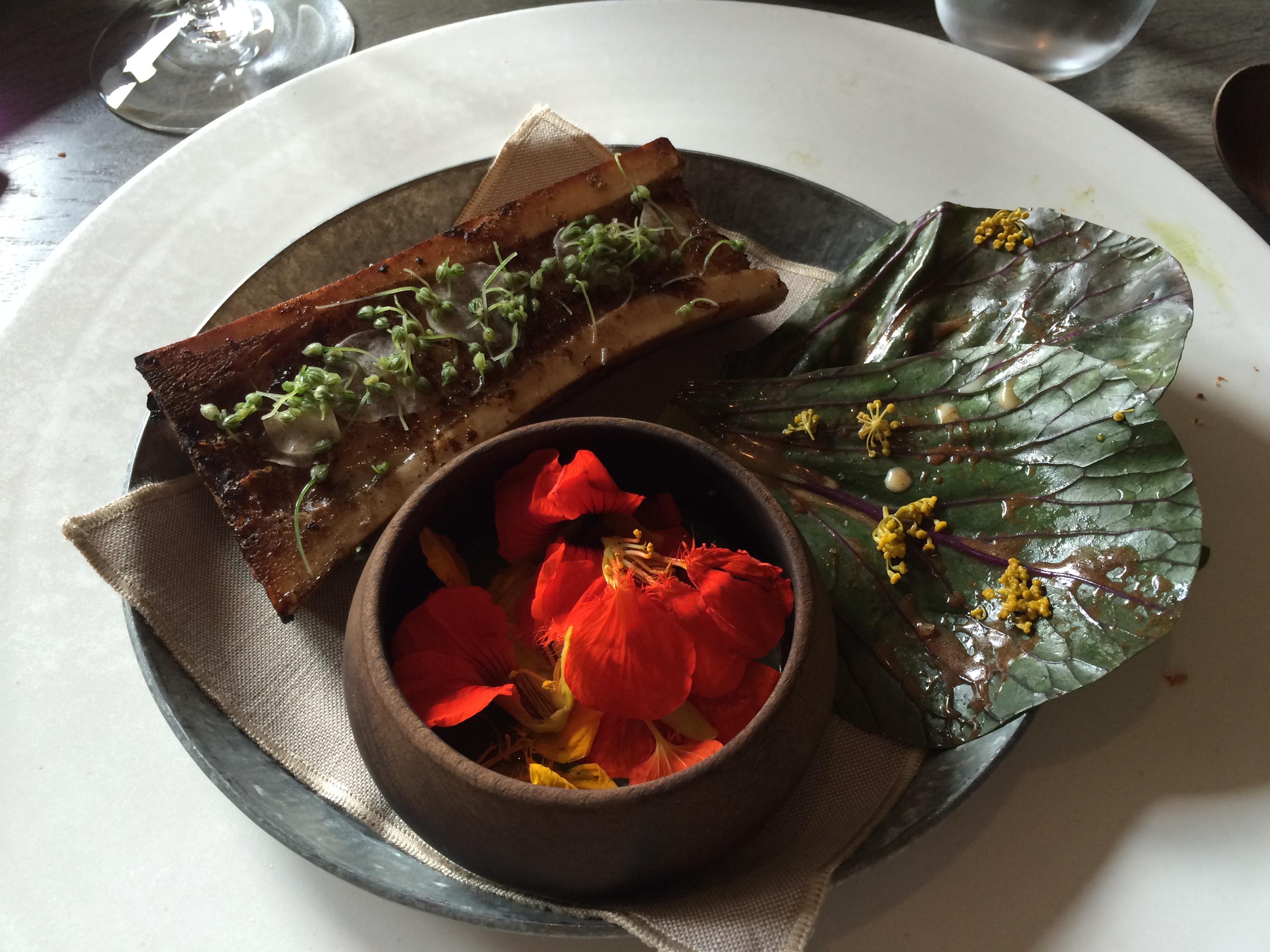
2015-07-22 14.24.51
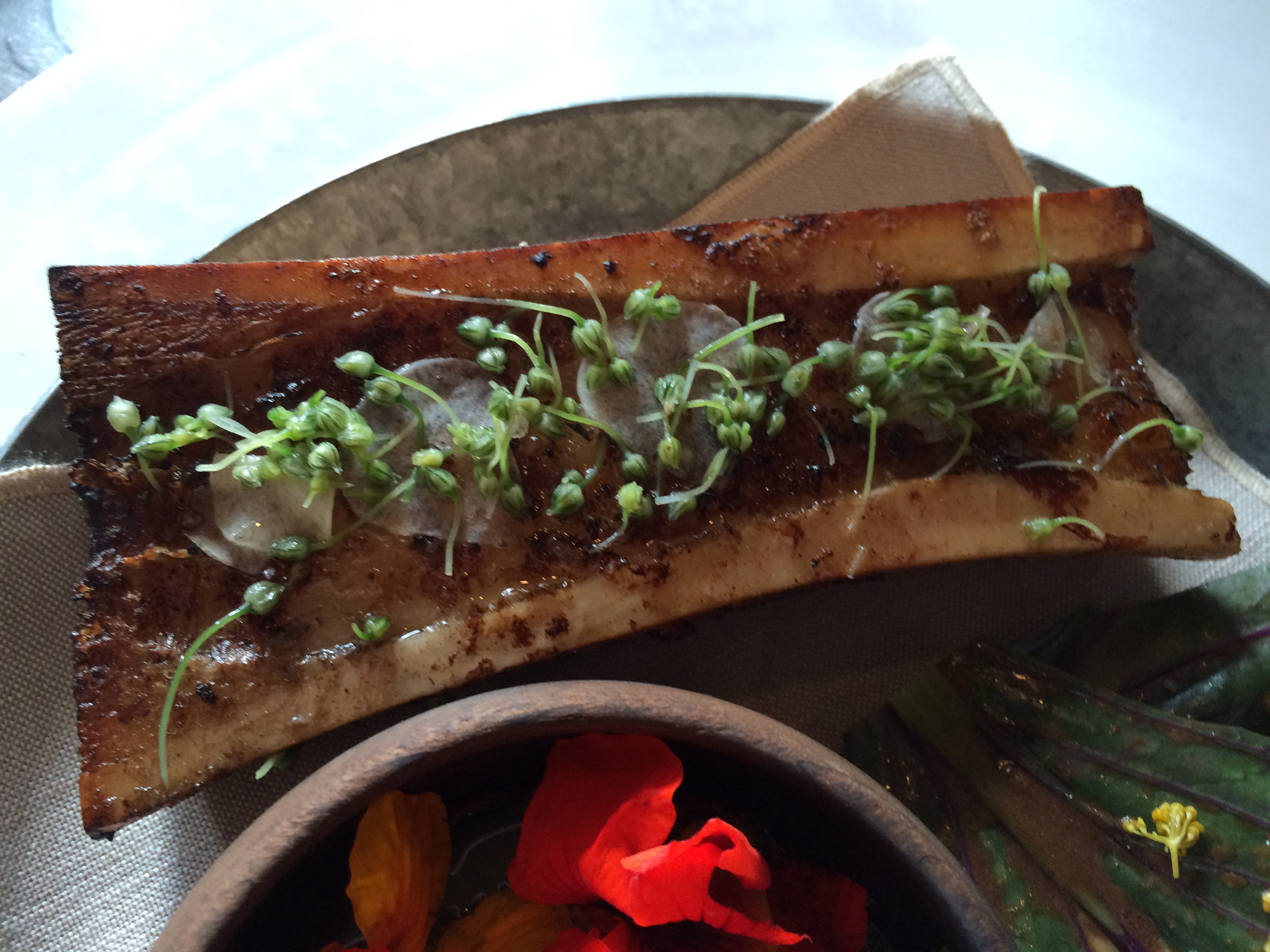
Bone Marrow with Flower Soup and Nasturtium Leaves.
2015-07-22 14.24.56
Bone Marrow with Flower Soup and Nasturtium Leaves.

Then, a dish not on our printed menu – beef bone marrow with a “soup” of flowers, and nasturtium leaves. This dish was the only one served that might have called for a red wine, but the Chardonnay did it’s job of pairing pretty well.

At this point, we were visited by the Sommelier, Yukiyasu Kaneko of Japan.

2015-07-22 14.22.09
Noma Sommelier, Yukiyasu Kaneko of Japan.

He answered our questions (I had a longer chat with him later) and explained his theory of using younger wines to compliment Noma’s unique cuisine.

Next:
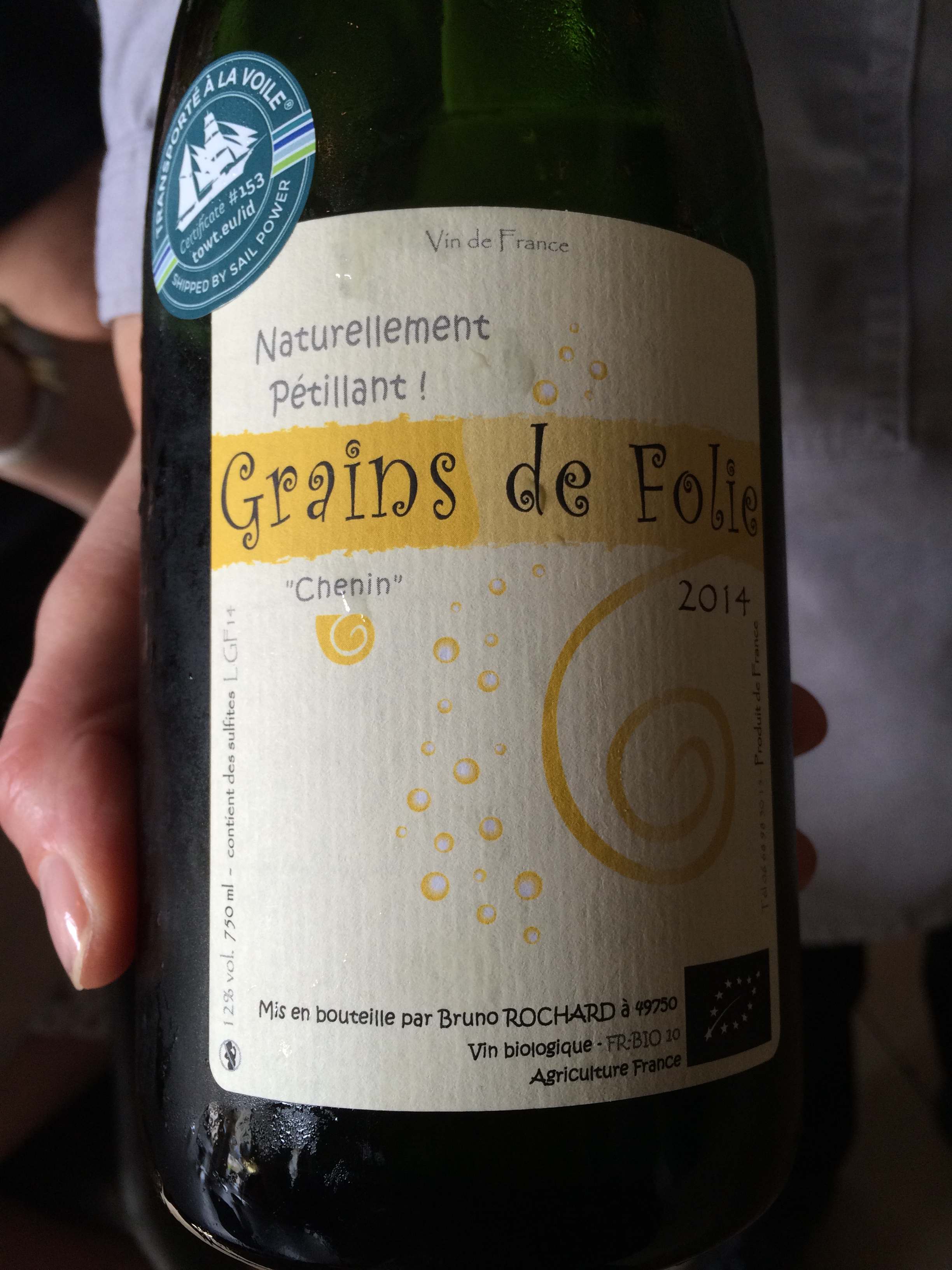
2015-07-22 14.43.37
2014 Grains de Folie, Bruno Rochard, Coteaux du Layon – Loire.
2015-07-22 14.45.53
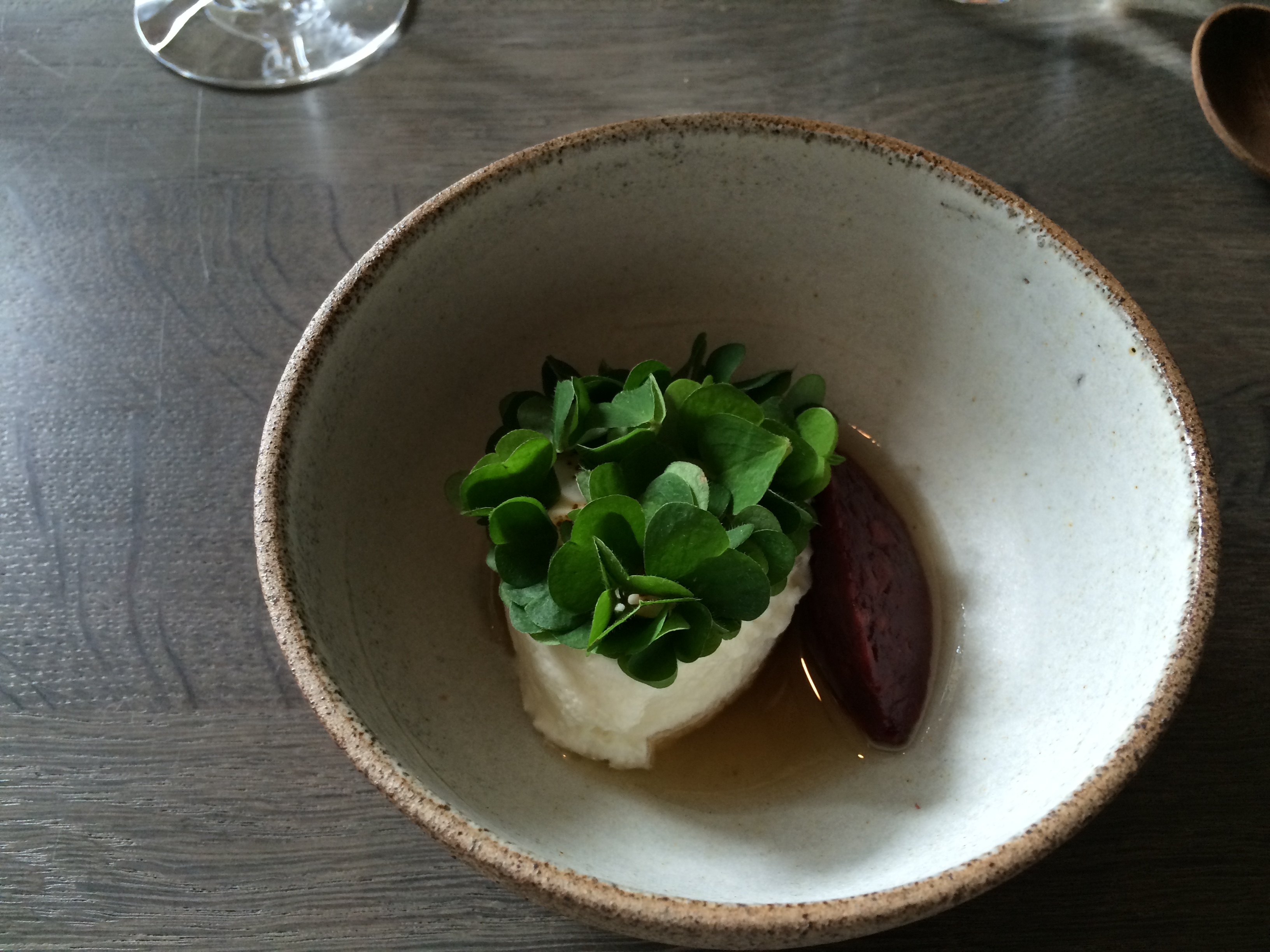
The Cheese Course – Not Sure of the Ingredients beyond a Creamy Cow’s Cheese.

The next wine, a 2014 Grains de Folie, Bruno Rochard, Coteaux du Layon – Loire Valley, Chenin Blanc (LINK – Related) comes from a region known for sweet wines. This wine, was a bit on the sweet side of dry. It was light, refreshing, and a nice pairing for the cheese course (also not on the written menu). The pairing worked well. The cheese was light and creamy, in a vegetable broth. Very good.

Now, on to Desserts:

2015-07-22 14.31.37
Berries and Greens Soaked in Vinegar for One Year.
2015-07-22 15.00.24
Forest Flavors – Deep Fried Reindeer Moss Dipped in Chocolate.
2015-07-22 15.00.28
Creme and Dipping Sauce.
2015-07-22 15.00.36
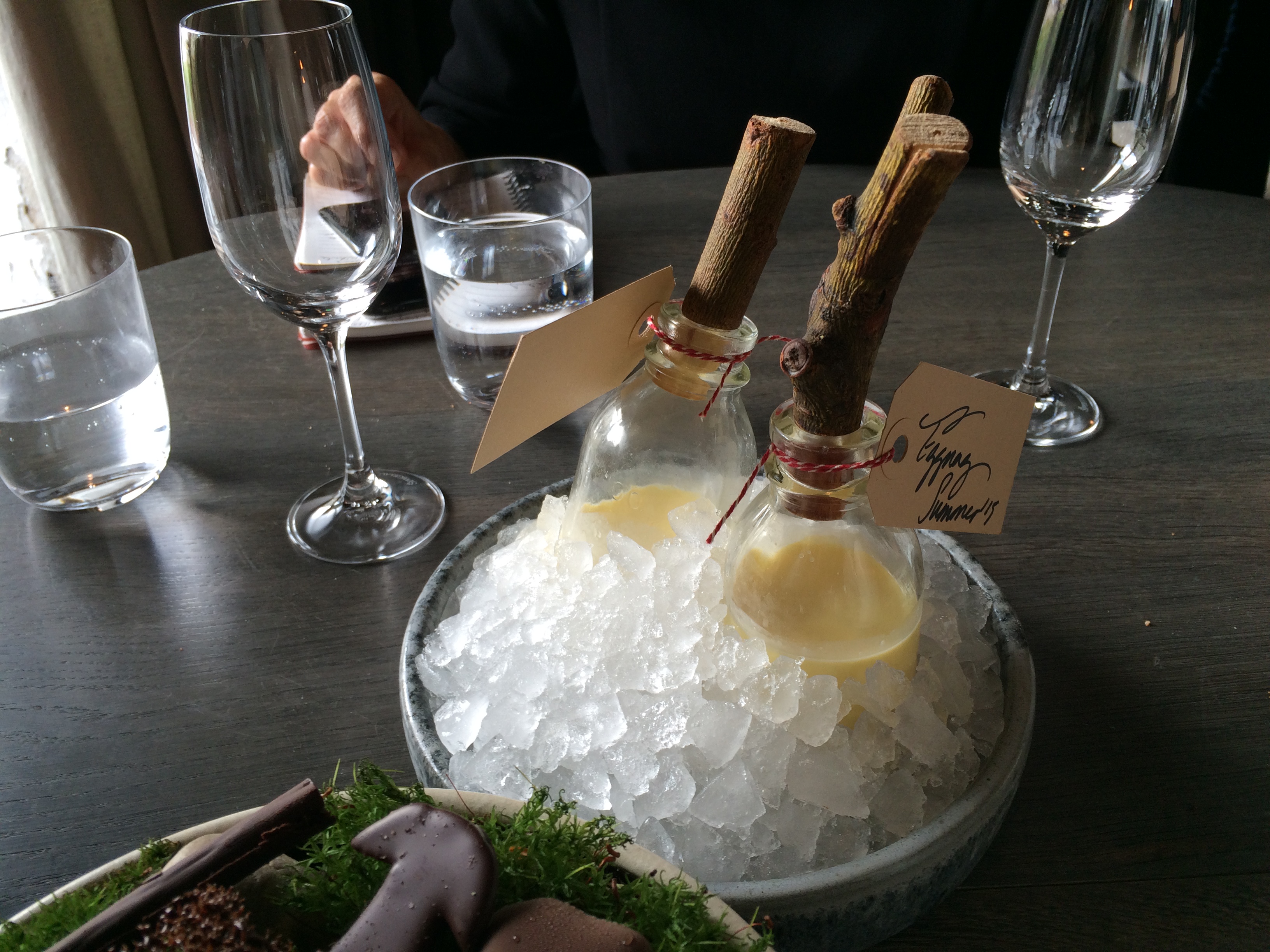
Egg Liqueur.
2015-07-22 15.14.07
Espresso to Finish.

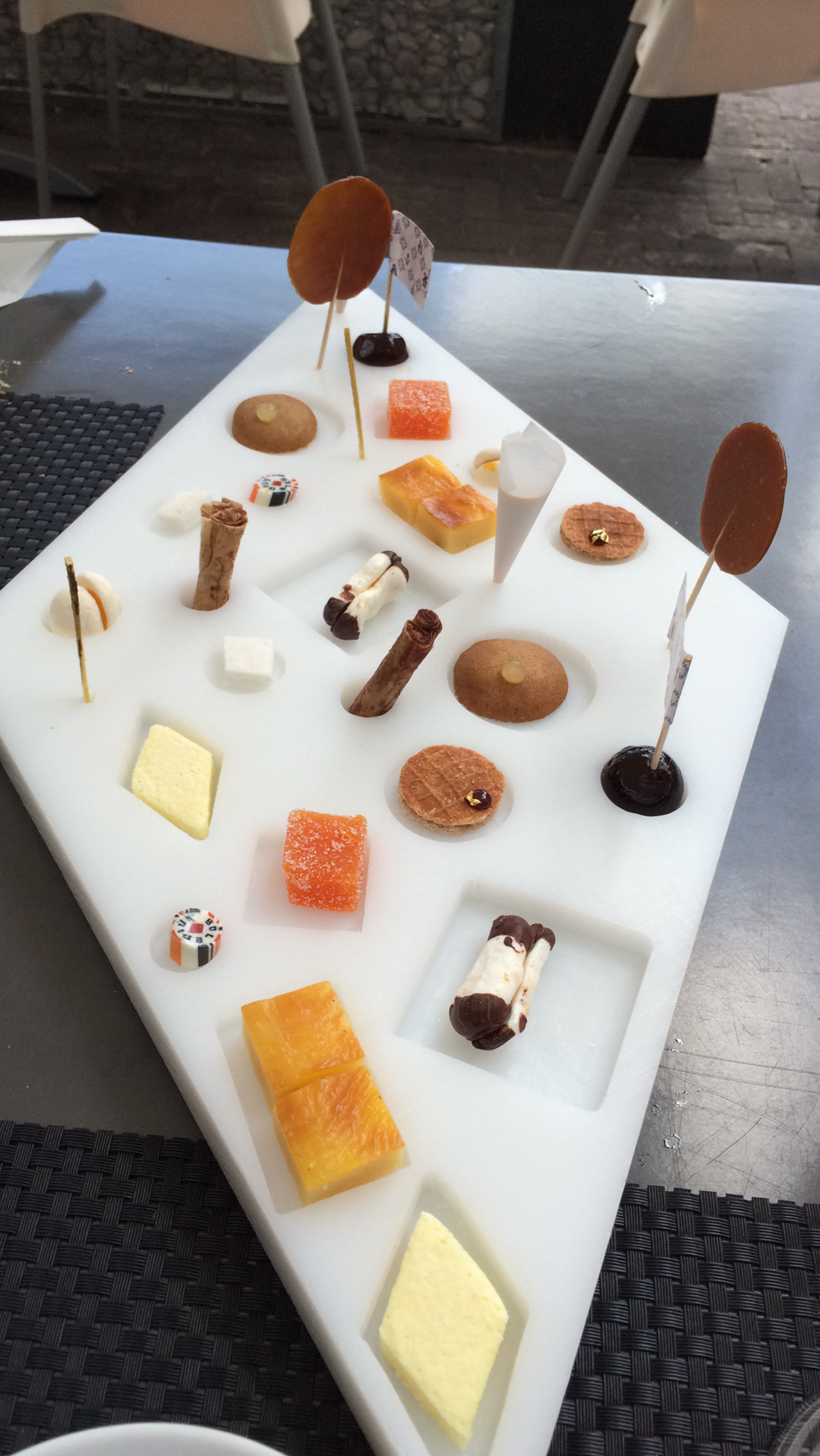
Desserts were a flurry of items, pickled and sweet, with egg liqueur and espresso. The berries and greens soaked in vinegar for one year were very good – each retained much of its original flavor, but the textures were very unusual. The forest greens dipped in chocolate were a combination of tart, sour and sweet – the creme dipping sauce could tip it to the sweet side if you preferred, plus there were some more conventional chocolates on the plate. The egg liqueur was very smooth, much thinner than eggnog, and refreshing.

I should point out that Dorianne has allergies to beef and cow dairy, and the Noma staff made every effort to accommodate her in this regard, substituting ingredients, etc. You let them know 30 days in advance of your reservation about any allergies.

Wow. What a meal! The 18 courses turned out to be 20. We were well-fed, entertained, amazed, and, actually, ready for more. In the next and final installment of this series, I will let you know about the tour that you are offered of the Noma Complex and what you learn about the unique Noma Culture.

Photos and text, Copyright 2015 by Jim Lockard
“THE BEST RESTAURANT IN THE WORLD:” COPENHAGEN’S NOMA – PART 2: THE FIRST HALF OF THE MEAL

The food at Noma changes, sometimes daily. It is based on the seasons, on what has been foraged that morning, on what the chefs are trying to do, and, I am sure, on other factors that I know nothing about. Everything that we had was unique and clearly well thought out. I did not like everything, but I did not hate anything served. There was quite a bit of “sour” taste on the menu, and some on the wine list. There were some dishes that were interesting but not memorable. And there were some that soared. Those experiences were different for each of us at our table for four – Dorianne, me, and friends Ginger and Patricia. Three of us opted for the wine paring, Ginger opted for the juice pairing – a different juice blend comes at the same time that new wines are introduced. She raved about the juices, and we all tasted some and they were very, very good.

The presentations were unique, generally attractive and appealing, and mostly, delicious. There were lots of flowers, some rocks, mushrooms, moss, leaves, dough, lobster, bone marrow, berries, and many things that I had never seen on a plate before.

The restaurant is very nicely appointed, but not flashy at all. Rough-hewn wood, lots of gray colored fabrics and surfaces; you might say that the dining room is understated, as you might expect in Denmark.

2015-07-22 12.05.24
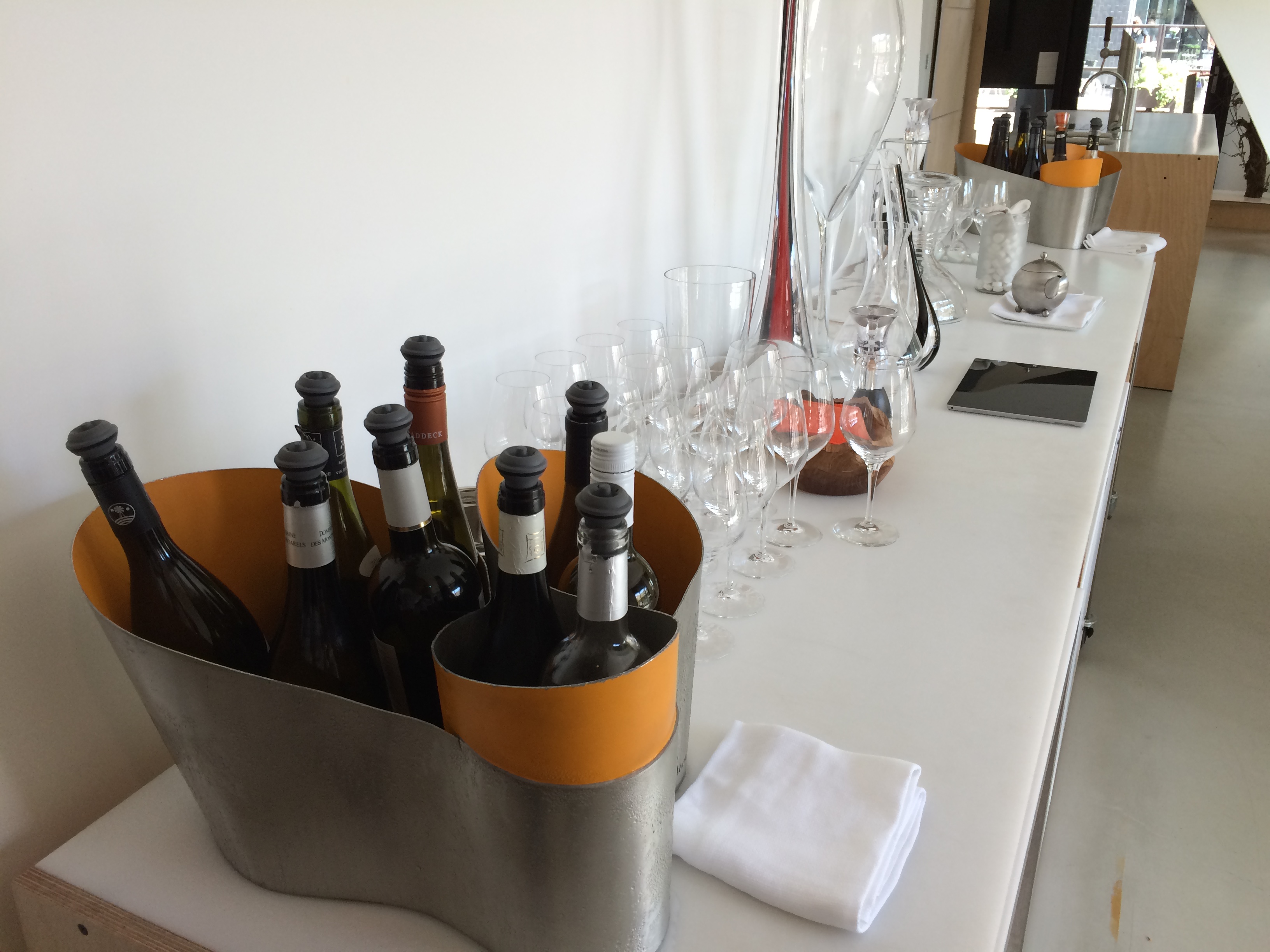
The Dining Room with the Wine and Juice Cooler.

The tables are simply set. There is a clear effort to have guests feel welcome and to make the experience as unpretentious as possible. Staff are friendly, direct, and relatively informal. They do what they do very well, are always in motion, but have time for any query or request.

THE MEAL

2015-07-22 12.00.21
Turnip and Unripe Strawberry Marinated in Aquavit with chamomile and other berries. Served on Ice.
2015-07-22 11.54.48
The First Wine – Not on the Menu – A Champagne.
2015-07-22 12.07.16
The Bread Bowl.

The first three courses are not considered a part of the pairing dinner. We were served a Champagne for all of these courses, a dufour par charles champagne “les instantanes”, which I could not find in an internet search (found the producer, but not this wine). Suffice to say that it was very well made, light and crisp, and you likely will only get it at Noma. The first item served to us was a small bowl of ice topped with turnip and unripe strawberry marinated in Aquavit. There are obviously other things sitting on top of the slice of turnip and the strawberry, berries, flowers and such – there are always other things on the dishes that are not described on the menu, but are described by the server. The server, by the way, will be either one of the wait staff or someone from the kitchen who worked on the dish being served.

This dish, eaten with the fingers, was very tart (Aquavit and unripe things) and the Champagne was a wonderful match, giving a sense of ripeness, but not too much. I was thinking that they know what they are doing. Smiles, oohs and aahs, and photo taking all around the table (I stopped the server to photograph each wine bottle as it was served – they were wonderfully patient). A very good start.

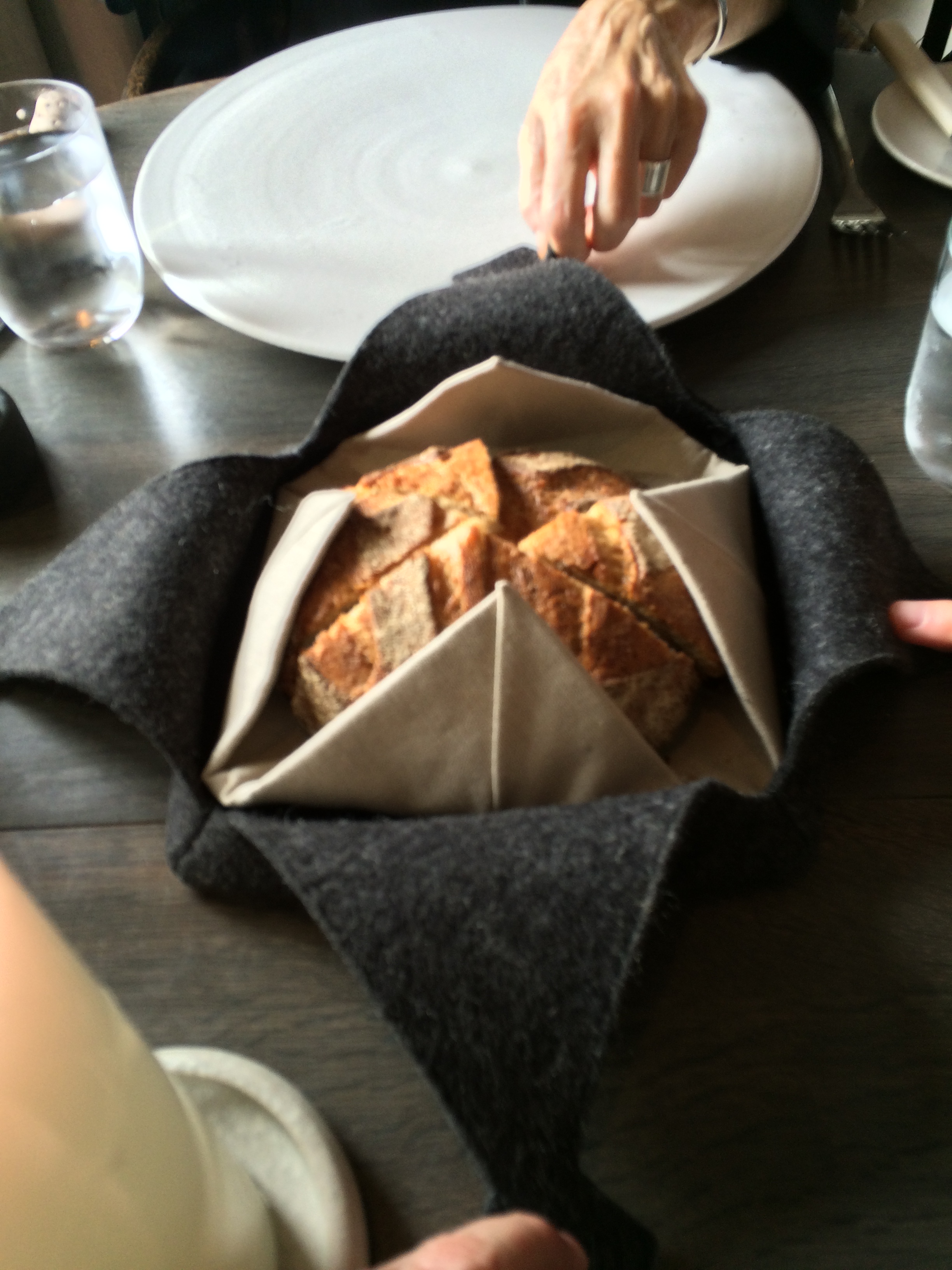
The bread, served in a felt basket, made from native Oland wheat and accompanied by both butter and rapeseed oil was delicious. The basket was refilled at least twice during the meal.

2015-07-22 12.09.24
Summer Cabbage Leaves and White Currants.
2015-07-22 12.09.44
The sauce being added to the Summer Cabbage for Patricia.

Next came summer cabbage with white currants and a white currant broth that was added at the table. This continued the tendency toward sour, unripened flavors. It could be classified as a soup, I suppose. Again, the Champagne was right there to extend and ripen the experience of the food.

2015-07-22 12.19.39
The First Shoots of the Season with Scallop Marinade.
2015-07-22 12.20.21
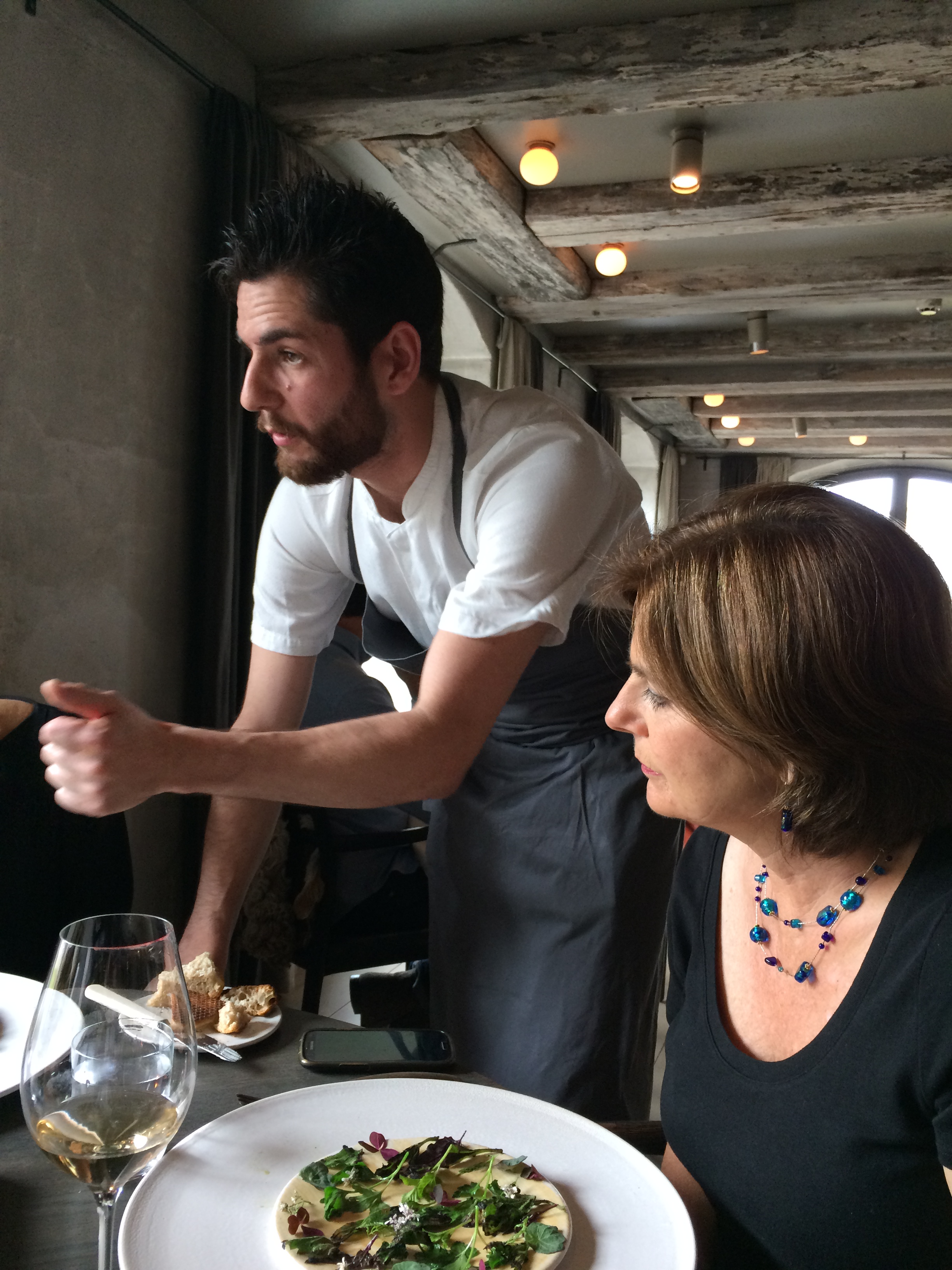
Dorianne Looks On as the Dish is Explained.

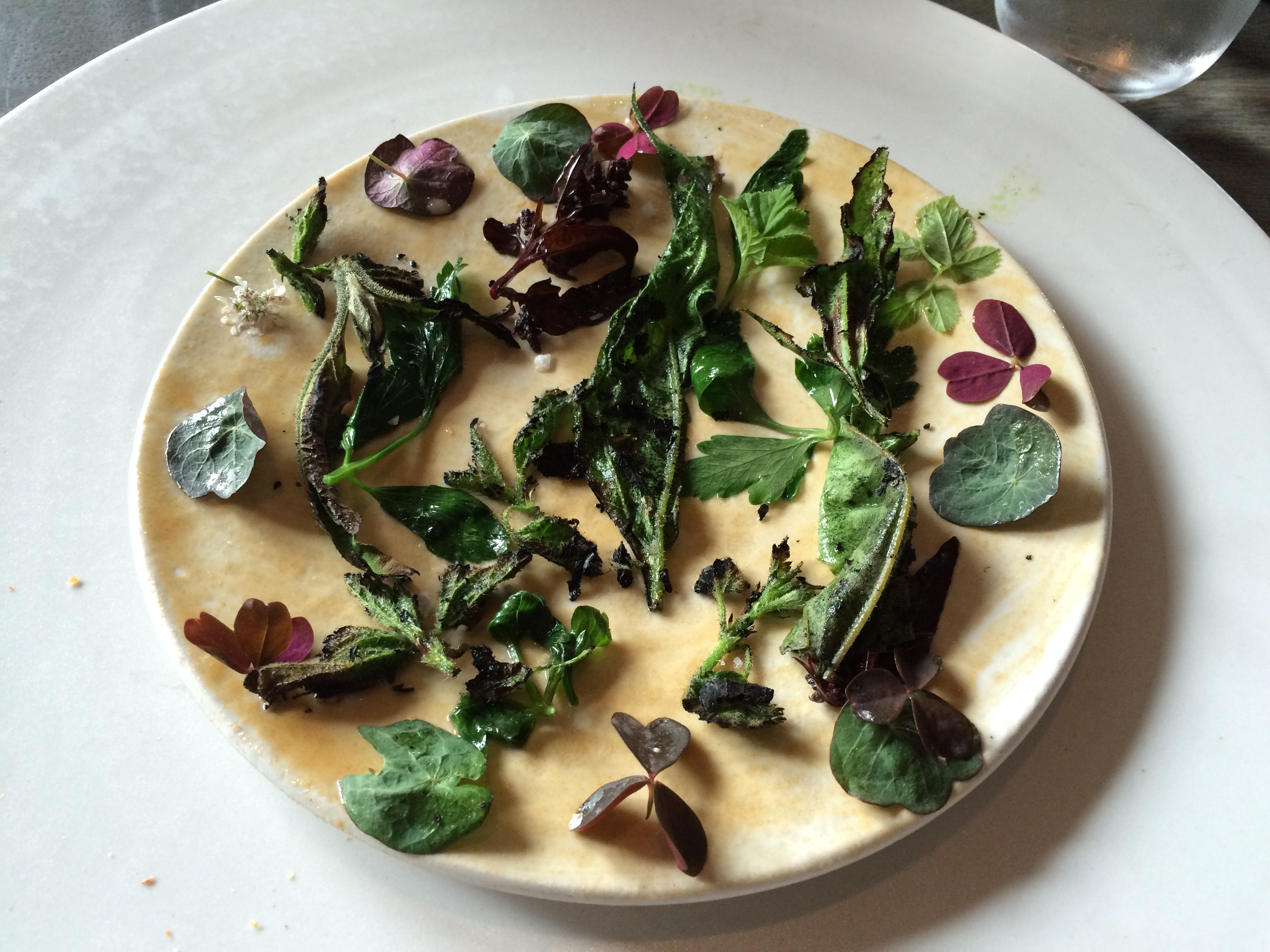
Next, course #3, the first shoots of the season with a scallop marinade, again with the Champagne. The plants were tiny and tender, some of them toasted, and after enjoying the presentation, you mix them all together in the thin layer of marinade and eat them in a few bites with your fingers. The rush of various flavors and the marinade tasting of the sea was delicious. After doing yeoman’s duty, it was time to part with the Champagne. Note: they do refill your glasses as often as you like.

2015-07-22 12.30.272015-07-22 12.30.33

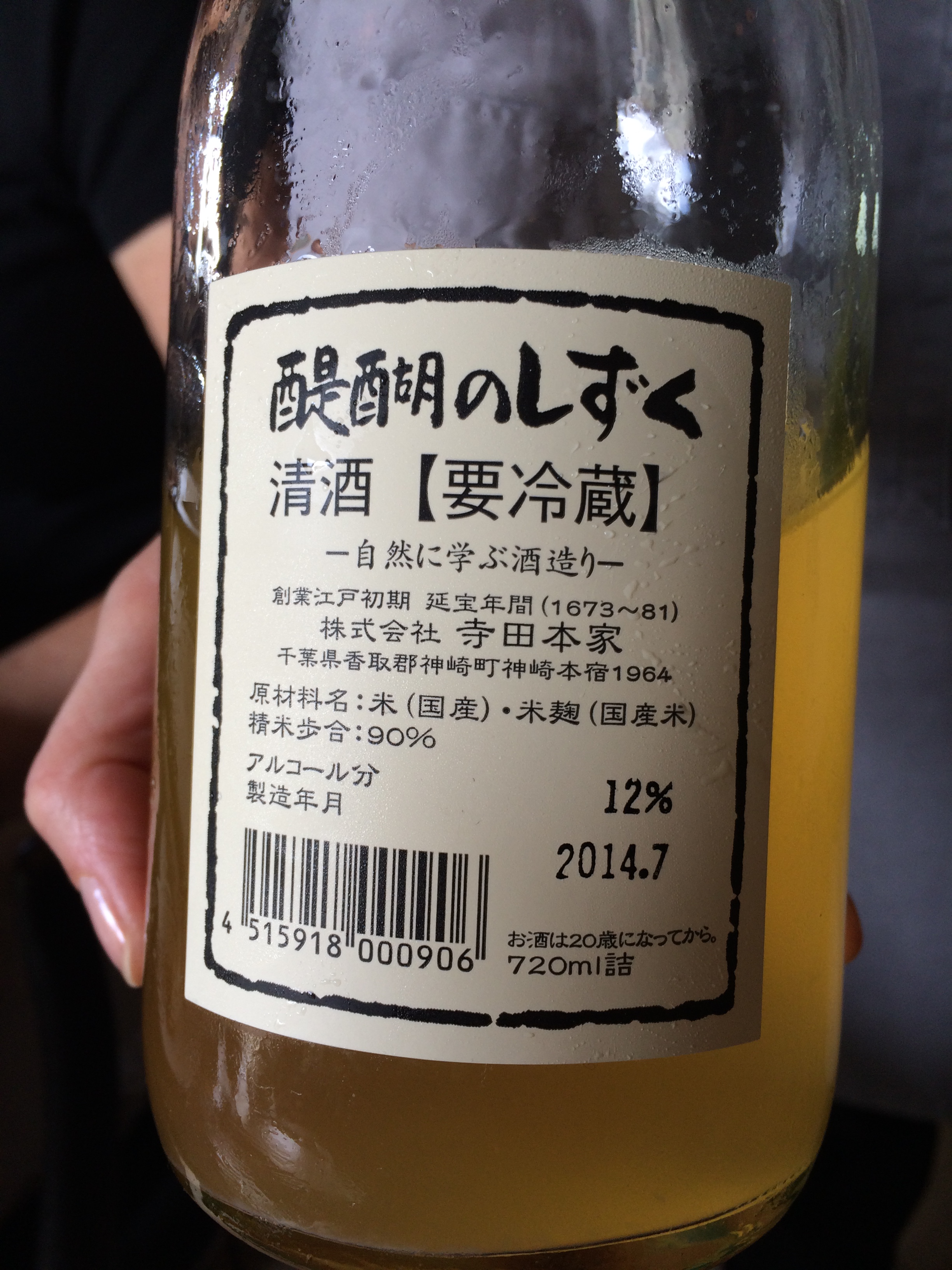
Now, the actual wine pairing begins! With Sake! A 2014 Daigo No Shizuku Terada Honke (LINK), to be exact, which would take us through the next three courses. Full-bodied with a soft and approachable taste; hints of citrus and a long finish.

2015-07-22 12.31.02
Sweet Peas and Sliced Kelp.
2015-07-22 12.31.08
Sweet Peas and Sliced Kelp – Close Up.

The first course of the pairing was sweet peas with sliced kelp. There was a cheese under the kelp – like a ricotta but not a ricotta; and nasturtiums in with the peas (we will see more nasturtiums), all in a sauce. Very tasty with a mixture of textures and flavors. The sake went well with this.

2015-07-22 12.45.43
Flower Tart.

One of the most picturesque dishes, the flower tart. Various petals over a vegetable spread and placed on something like a cracker. We ate it like a small slice of pizza. The sake was less successful here, as it was far more tart than the “tart,” so to speak. This experience reminded me of my childhood, sampling most of the flora in the neighborhood. This dish prompted a nice discussion of all of the things that we ate as children that were not from the home larder. A delicious and fun dish.

2015-07-22 12.49.37
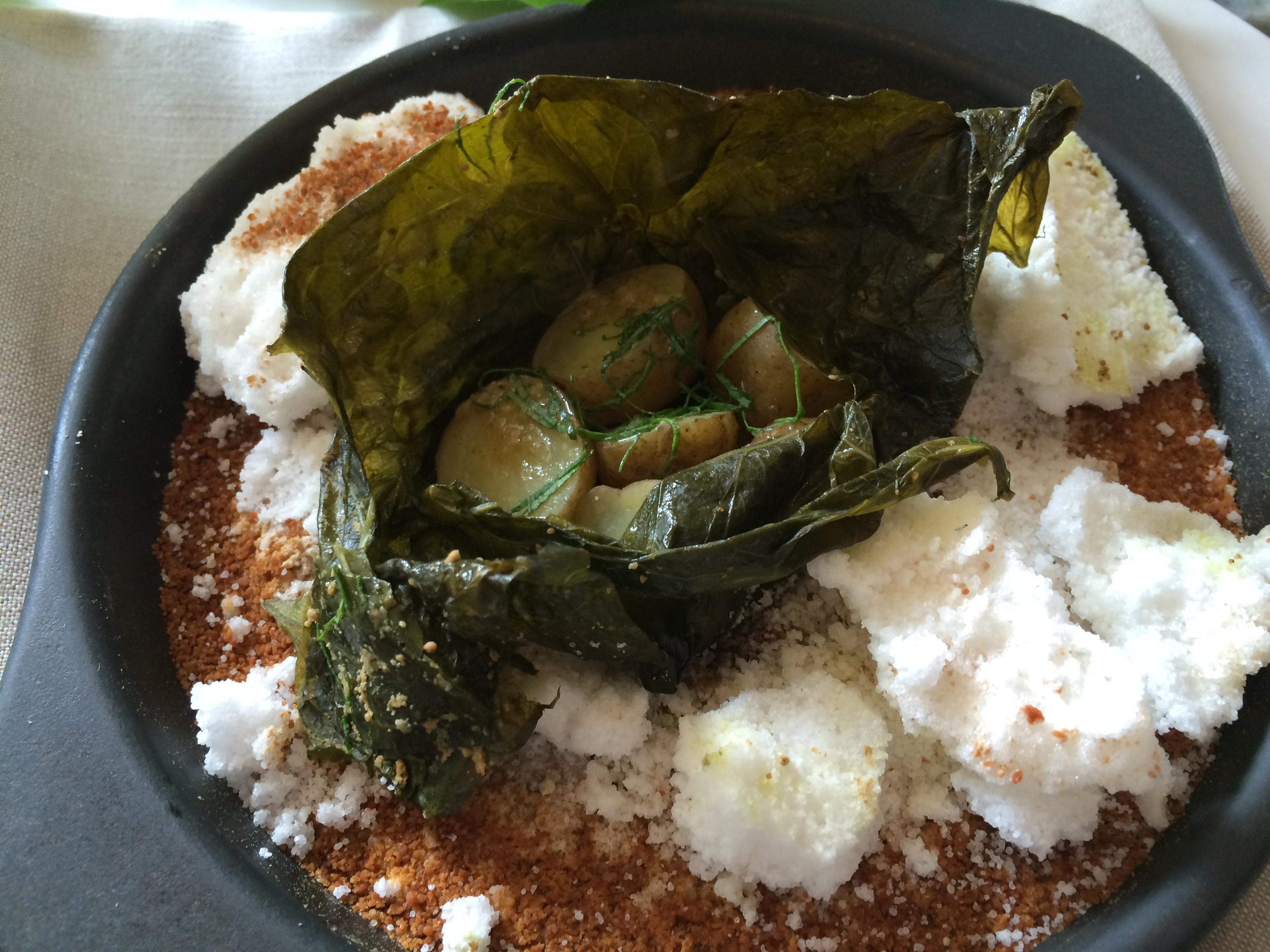
New Danish Potato and Lavage.
2015-07-22 12.51.56
New Danish Potato and Lavage – Opened.

Next came new Danish potatoes wrapped in a lavage leaf, residing on a bed of two kinds of salt (it was recommended that we not eat the salt). This dish was intriguing. The potatoes, once revealed by opening the leaf, were to be eaten with a sharpened Elm twig (very Paleo). They were warm, soft, and, when touched to the salt, delicious! The leaf was also edible, but had absorbed too much salt to be enjoyable. The sake added a fullness to the experience and was a good pairing for this dish, and it completed its duty with this serving.

2015-07-22 13.00.03
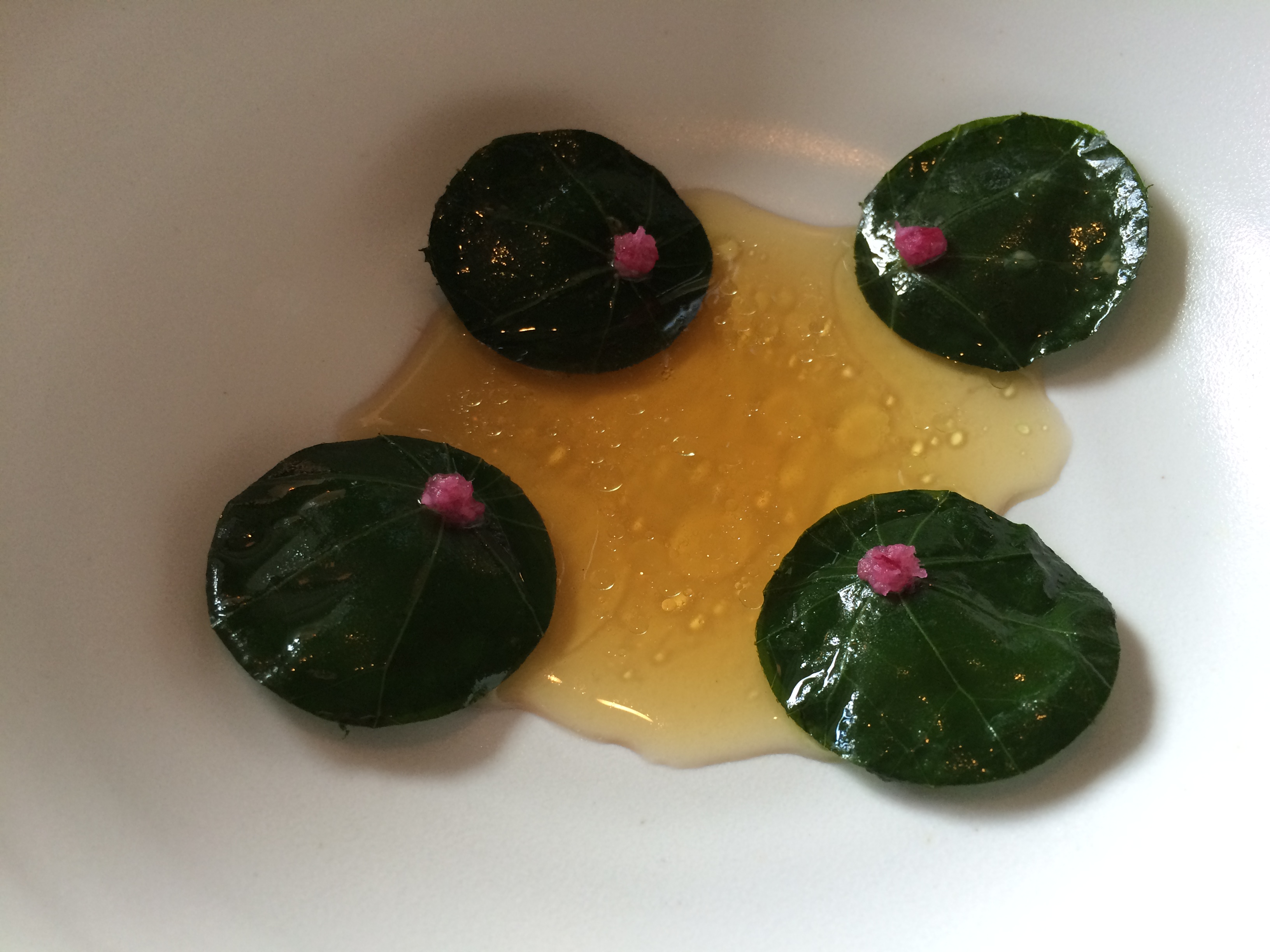
Sweet Shrimps Wrapped in Nasturtium Leaves.
2015-07-22 13.00.51
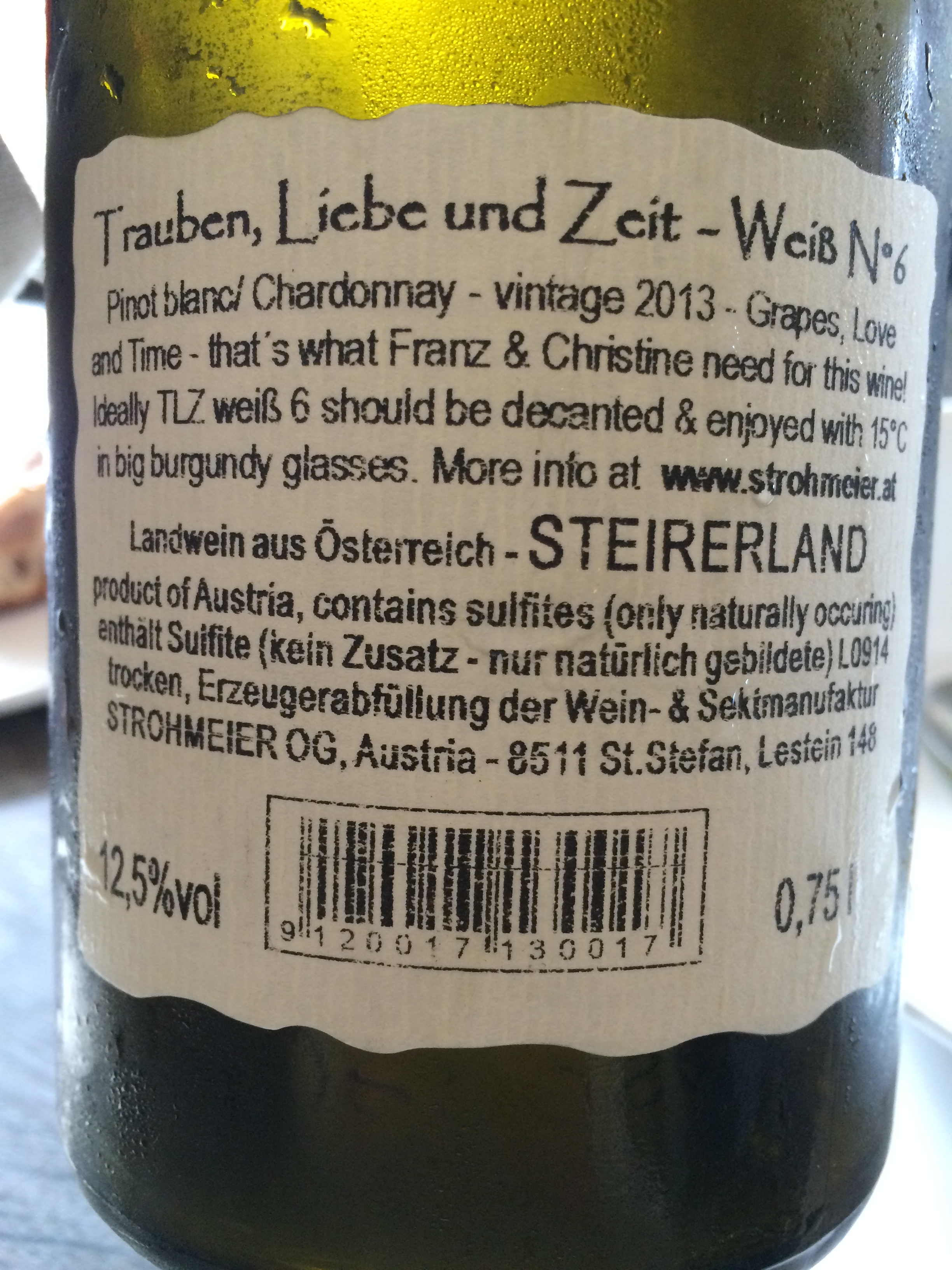
2013 Strohmeier Weiss #6 – Tromen Liebe and Zeit, 50/50 Chardonnay and Pinot Blanc. Austria.

2015-07-22 13.07.46

The next course was sweet shrimps wrapped in nasturtium leaves with a seafood broth. Very tasty – the shrimp and the leaves were a good mix of textures and flavor. The next wine was 2013 Strohmeier Weiss #6 – Tromen Liebe and Zeit, 50/50 Chardonnay and Pinot Blanc from Austria (LINK). This is really a nice white wine. I have loved the whites (weiss) of Austria since visiting there in 2009. I am a particular fan of Grüner Veltliner, the wonderful white grape so popular there and now being grown in California. But I digress – the Strohmeier has the nice acidity that one expects from Austrian whites, plus, the Chardonnay gives it a fuller mouth feel. It was a great accompaniment to the shrimps in nasturtium. Of course, this could be my appreciation for a more familiar wine after the sake.

2015-07-22 13.11.05
Cabbage and Roses.
2015-07-22 13.11.48
Cabbage and Roses Uncovered.

Next came cabbage and roses; dried and candied cabbage leafs sandwiched around samphire (sea asparagus) and rose petals. The leaves were crunchy and the middle was soft and creamy. Eaten with your hands. The 2013 Strohmeier Weiss #6 accompanied this dish very well, giving a smoothness to the experience.

So that is the first half of the Noma dinner, nine courses with nine more to go; and five more wines (by the way, no red wines)! Those will be depicted and described in the next installment, Part 3.

Photos and text, Copyright 2015 by Jim Lockard

“THE BEST RESTAURANT IN THE WORLD:” COPENHAGEN’S NOMA – PART 1

How does one blog about a visit to Copenhagen’s Noma, the “best restaurant in the world”? Do you focus on the food, the changing menu of everyday and very unusual ingredients put together in ways that, well, us regular people never would think to do? Do you focus on the wine, paired with the many courses from some of the most obscure and unusual wineries in Europe (only European wines!). Do you focus on the culture of Noma, which can be observed from the friendly greeting from EVERYONE as you enter, through the service of the exceptional and long meal, and via the tour of the premises that is offered after you finish eating? Do you focus on the price – not crazy expensive these days, but an investment nonetheless?

I will attempt to do a bit of everything in this series of four posts, for my visit to Noma with Dorianne and two friends was, if nothing else, an event. It was more than the food, more than the wine, more than the service, more than the culture, more than the location. It was more in just about every sense of the word. It is over 24 hours after we left and I am still not feeling normal, physically, mentally or emotionally. How does a visit to a restaurant do that to someone?

We began to plan our visit to Noma over six months ago. Imagine a 45 seat restaurant with a staff of 45 or more! With a food lab on the premises! That serves 18 or so courses of totally creative dishes! Much of which is foraged! With wine! We decided to go, but getting there was not without its complications and moments of fear.

I researched several websites that were about Noma or about visits to Noma (LINK) (LINK) (LINK). I looked at Noma’s unassuming website (LINK) to find out how to get reservations. They put a month’s worth up at a time, about 3 months in advance. Since we wanted to come in July around the date of our tenth wedding anniversary, I discovered that we needed to be online on April 6th at 10:00 am Copenhagen time.

We were in Spain at the time. I got online a bit late, about 10:10 am, and was informed that I was number 2499 and that there were 2278 people ahead of me waiting to be served. My waiting time would be about 90 minutes. I did not do the math of about 2 seatings a say of 45 people for 31 days, as some of those ahead of me would not be getting the dates they wanted, etc.

About 70 minutes later, I was in. We had booked an apartment in Copenhagen for July 21-24, so I requested a table for four (another couple was going to join us on the trip) on the 23rd through the website (all automated). The response was that I was booked for lunch. Great! That was comparatively easy.

A few days later as expected, I got an email from Noma requesting a credit card number (they have a policy that charges you if you change your reservation), and saying that they were looking forward to seeing us on APRIL 23RD!!!
NO!

I called Noma to try to get this changed and eventually connected with the reservations director. She told me that I made the reservation for April 23rd via the website. I told her that I thought that only July reservations were available on that day. She told me that there were also cancellations available via the website (you heard that here first!). I told her that we would not be in Copenhagen until July, so was there a way to change the reservation?
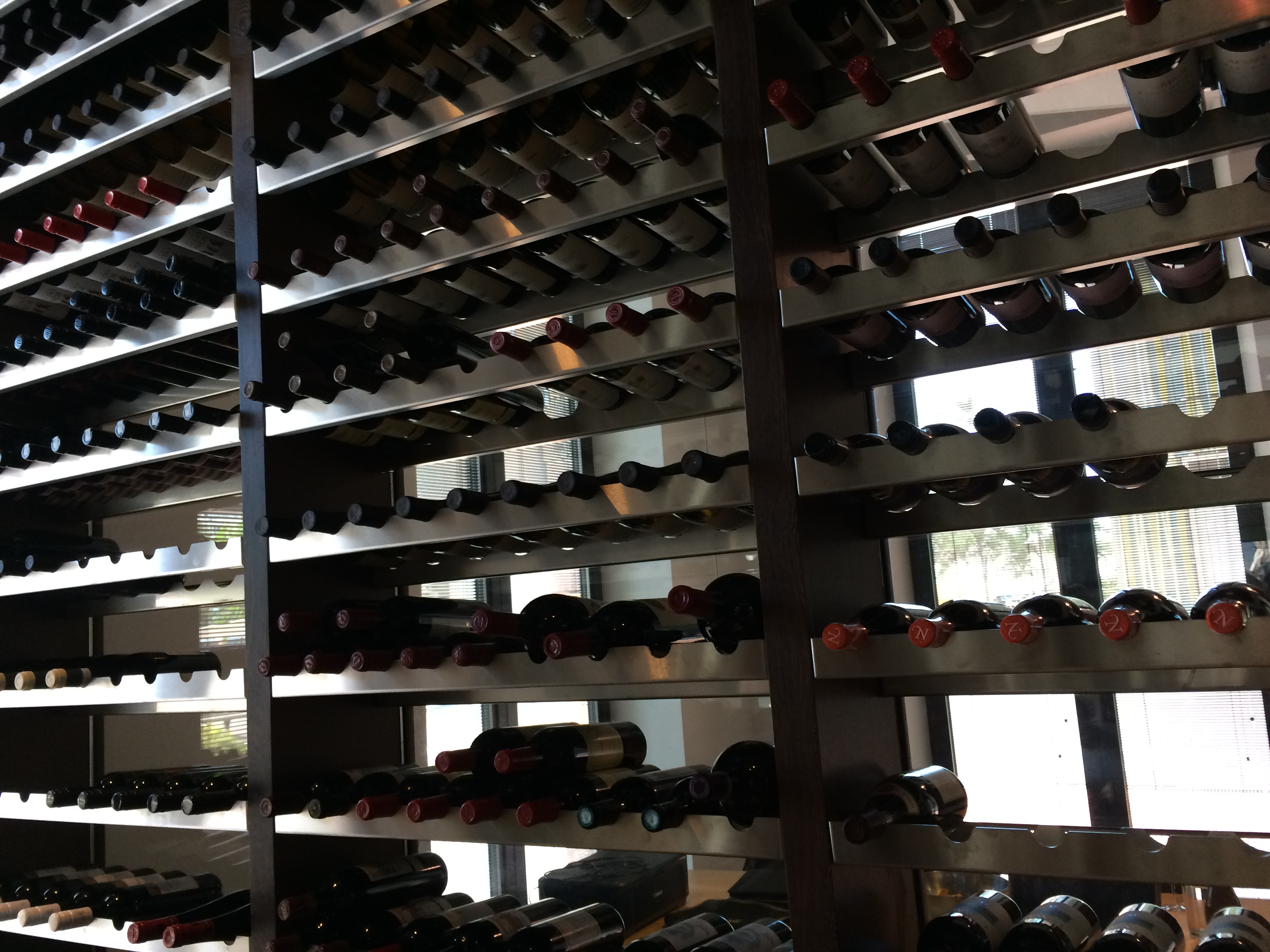
She checked and said that July 23rd was fully booked. I asked about July 22nd. She said that there was a spot for lunch for four. I said we would take it. Then I hung up and had a glass of wine.

Then, in May, the couple who was going to go to Copenhagen and to Noma with us, cancelled. This put us in the position of either changing our reservation and paying the fine(!!) or finding someone else to go with us. We were in Barcelona when we go the news. What to do?

The next evening in Barcelona, where we were attending and presenting at the Spirituality and Creativity in Management Congress 2015, at the Esade Graduate School, we went to dinner with some of the other attendees and presenters. There we met Ginger Grant, who just happened to be teaching at a graduate program in Copenhagen in July. Match made in heaven! Ginger agreed to come and bring someone to make a party of four.

The Big Day came. We arrived in Copenhagen in the evening on July 21st, had a quiet dinner on the Nyhavn canal, and turned in at our 5th floor walk-up AirBnB.

2015-07-22 20.37.46
Nyhavn Canal area in Copenhagen.

At the appointed hour on July 22nd, we walked the kilometer or so to Noma, met our dining companions outside. A Noma staff member came out and invited us to come in. About 25 staff were gathered inside the front entrance to greet us. It was as international a group as you can imagine, mostly young. We were shown to a table in the rustic, rough-hewn dining room. And the show began.

2015-07-22 16.22.41

The meal and (very unusual) wine pairings will be described in the next two posts, followed by the tour of the restaurant, kitchen, the lab, and the staff room in the final installment over the next few days.

ANOTHER FOODIE HAVEN IN AMSTERDAM – WITH A FOCUS ON WINE

Forgive the foodie flavor of this series of posts, but we are in Amsterdam and Copenhagen this week and sampling some truly amazing restaurants, which will include the legendary Noma in Copenhagen in my next post.

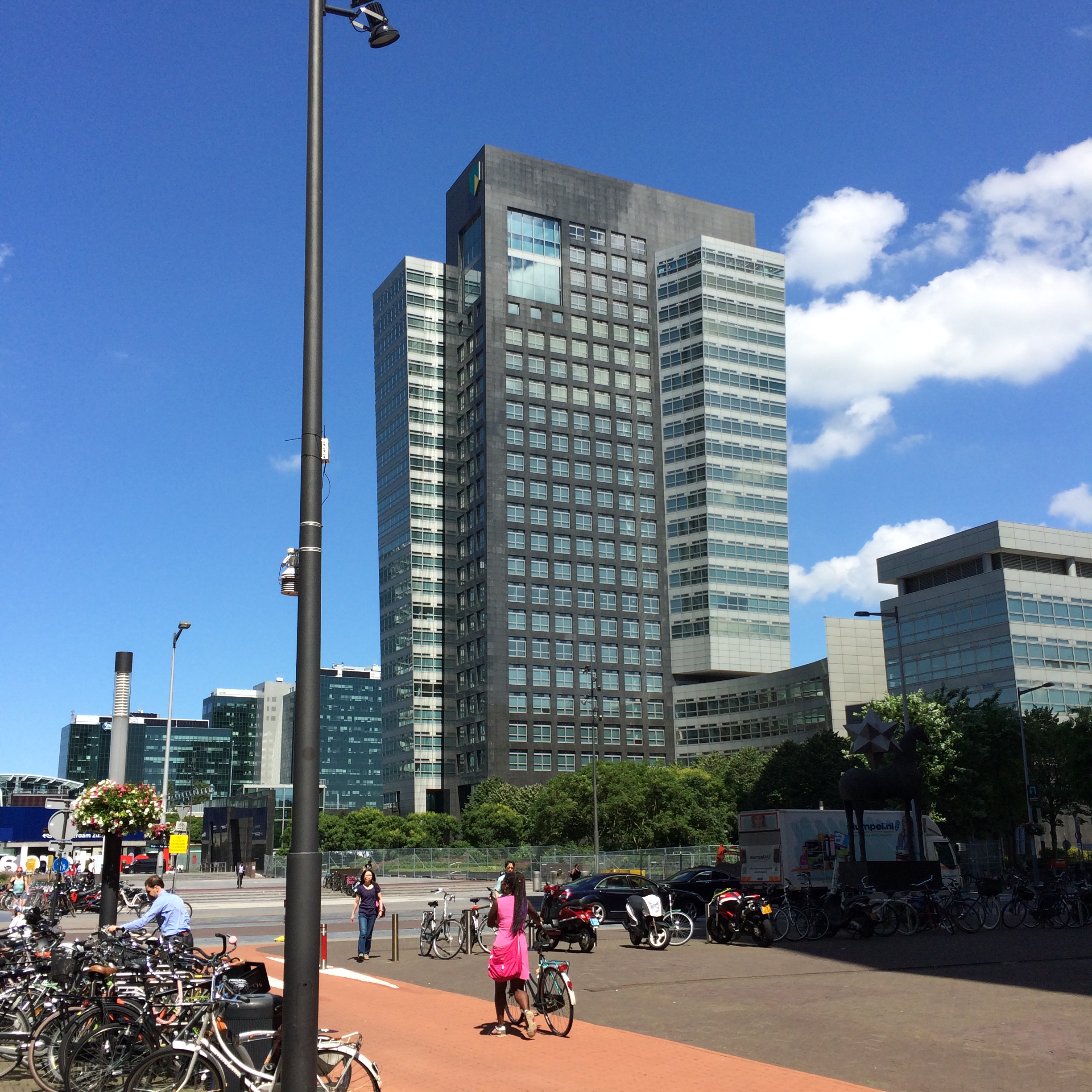
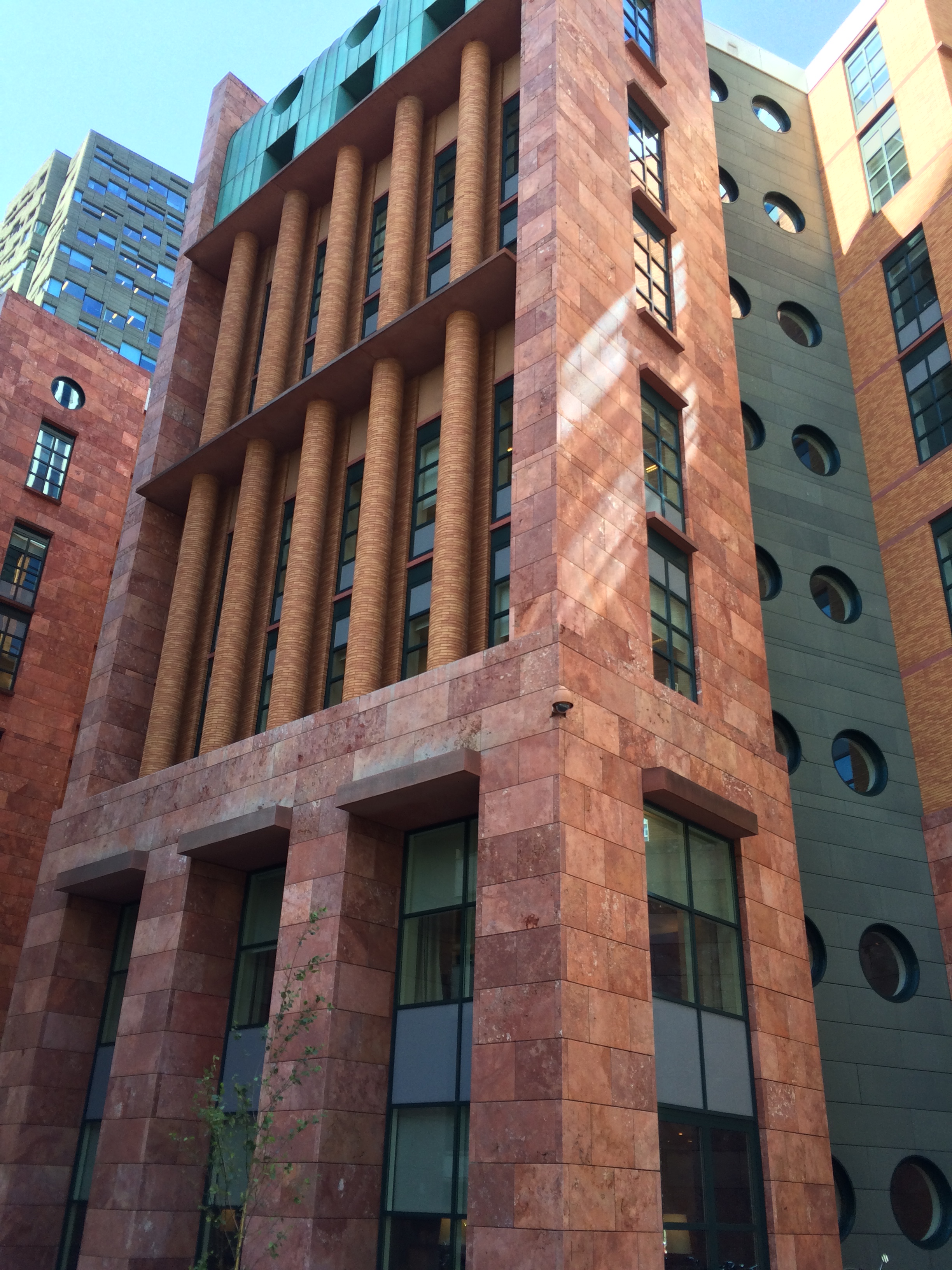
Yesterday, before departing Amsterdam, we strolled down by the Amsterdam Zuid (South) station and a rising complex of very modern buildings, both office and residential towers. Here are a few examples.

2015-07-21 14.11.48 2015-07-21 14.14.58 2015-07-21 14.23.13

Our target was a restaurant that we had read about, BOLENIUS (LINK), that emphasized wine, local ingredients – especially vegetables, an open kitchen, and beautiful design. we were there for lunch before an early evening flight to Copenhagen.

2015-07-21 12.46.44

First, let me say that our meal was splendid. Co-owner Xavier Giesen greeted us, told us a bit about the restaurant and their nearby organic garden, and oversaw (and participated in) our service through the meal. BOLENIUS has a mostly prix-fix menu with a variety of choices of complete dinners (up to 99 euros), one two-course lunch that varies day to day (34.50 euros), and a few à la carte items. The separate wine list is on an iPad and is very nicely put together with broad rather than deep range of wines from various areas of Europe.

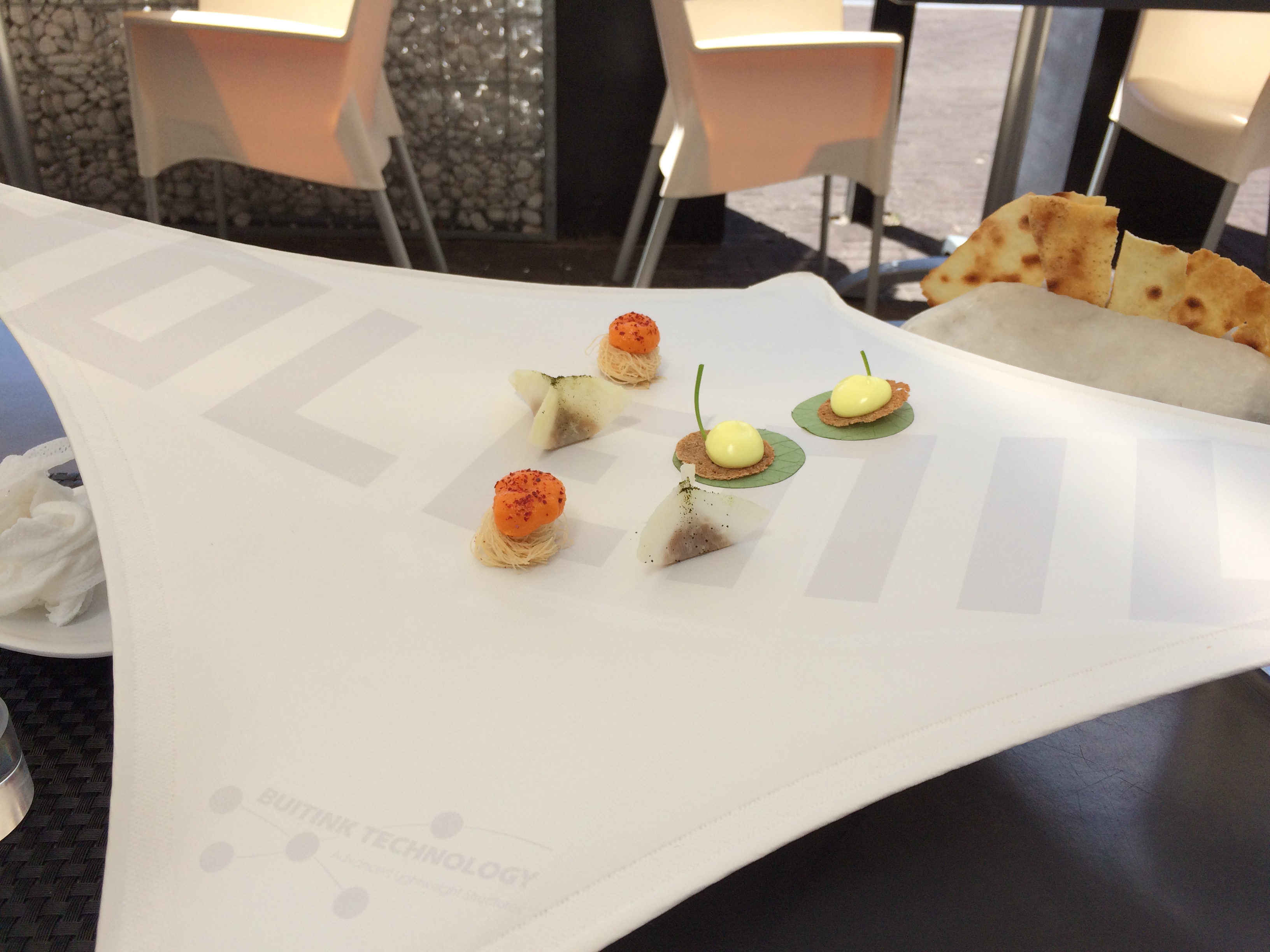
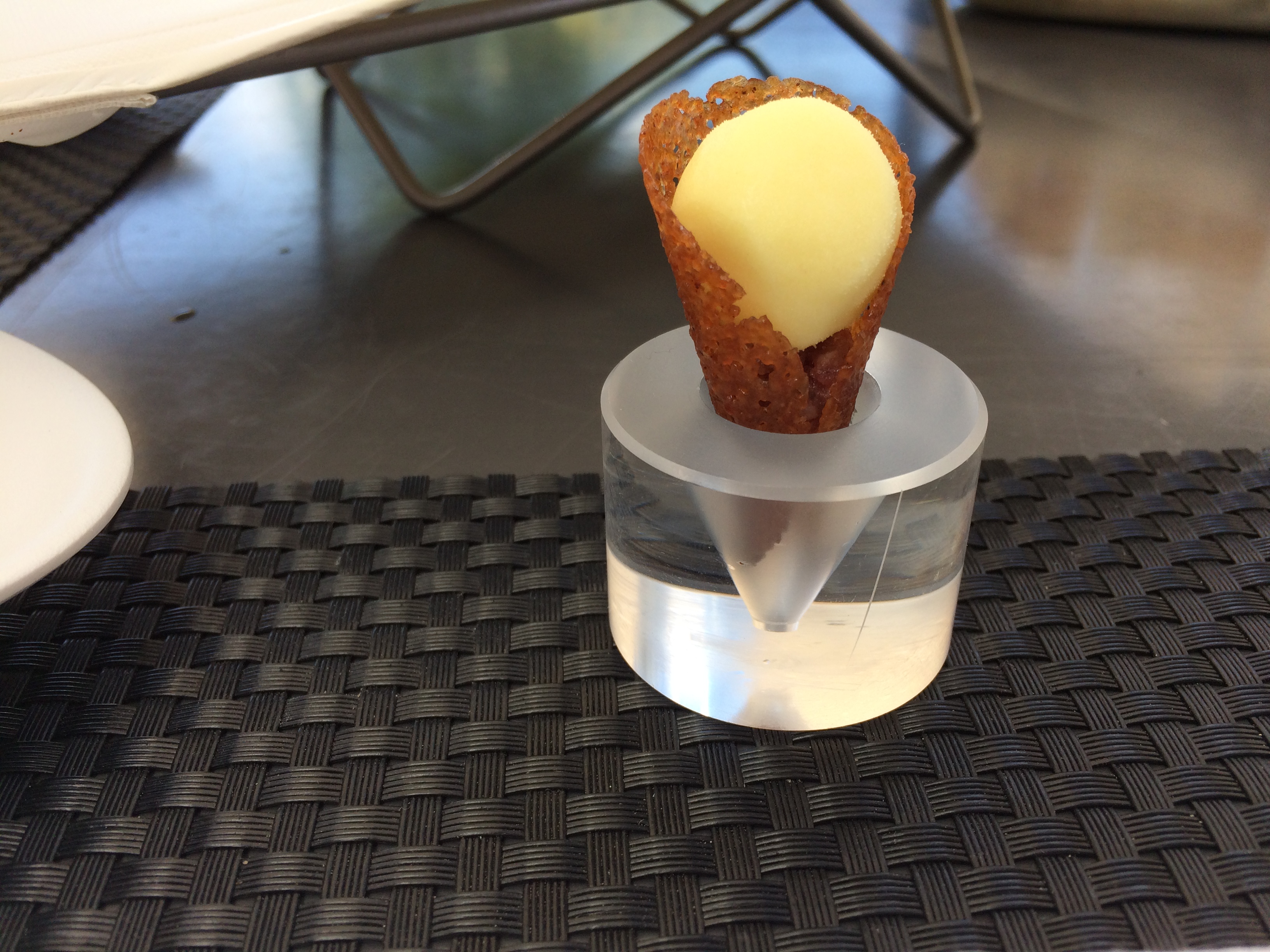
We opted for the two-course lunch menu, which consisted of a first course based upon vegetables from the organic garden near the restaurant and a second course of cod with mashed potatoes and vegetables. But first, a “tray” of complimentary appetizers on a “sail” that matched their outdoor awnings, then an amuse-bouche, a tiny ice cream cone – the ice cream made from sweet Netherlands onions was sitting atop a piece of warm beef sausage in a tiny waffle cone. Odd-sounding, but delicious. Then, a bowl was brought out which contained four small objects. A very small first course, I thought. But no, this was a palate cleanser – a bit of beet sitting atop a small dollop of aioli, two halves of a sliced blueberry, and a baby beet covered with grated hazelnut.

2015-07-21 12.42.59 2015-07-21 12.43.03 2015-07-21 12.52.28

The wine came at this point – we ordered a 2013 Albariño d Fefiñanes from Palacio de Fefiñanes in Rias Baixas, Spain (LINK). The wine was smooth and well balanced, with nice round mouth feel and hints of green fruit. It was a perfect compliment to the meal, and one of the best Albariño’s I have had.

2015-07-21 13.00.56

The fish course was beautifully prepared and presented:

2015-07-21 13.15.35 2015-07-21 13.15.39

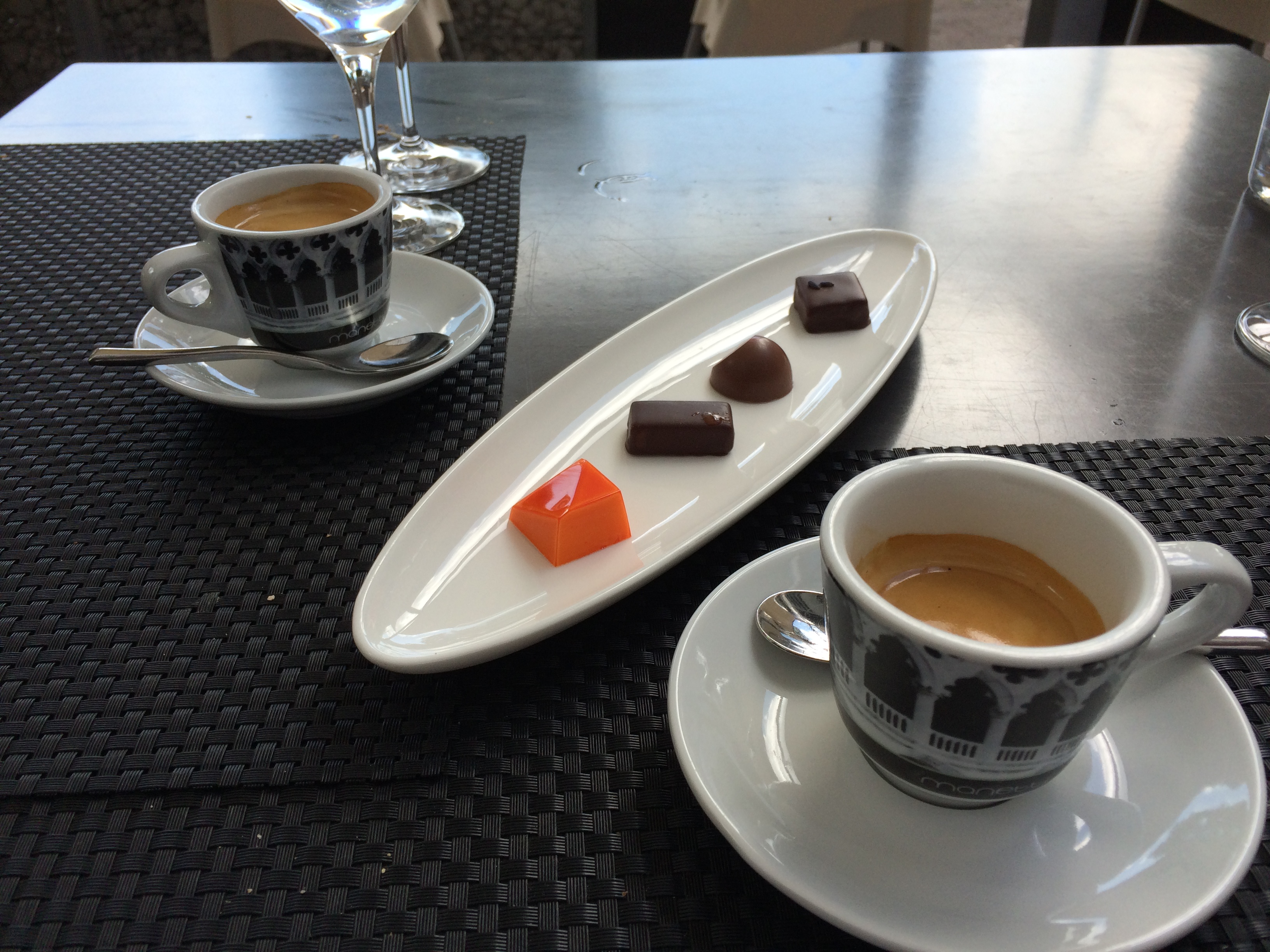
Afterward, espresso, chocolates, and a very special tray of assorted treats for us to enjoy.

2015-07-21 13.42.59 2015-07-21 13.47.55

After our meal, Xavier took us to the kitchen and the wine storage area, where we talked about wine, his love of Spain, and his desire to have a wine list that represents the best of Europe. The care, pride, and professionalism of the owners and staff of this excellent restaurant was evident in every aspect of the experience, and Xavier was very generous with his time to share much of it with us. It was truly a very special experience. We will definitely be returning to Amsterdam!

2015-07-21 13.56.46
The Open Kitchen.
2015-07-21 13.57.16
The Wine Room
2015-07-21 13.57.54
The Cheese Table in the Wine Room
2015-07-21 13.56.28
The Wine–By-The-Glass Area

THE LUCERNE, SWITZERLAND WINE SCENE

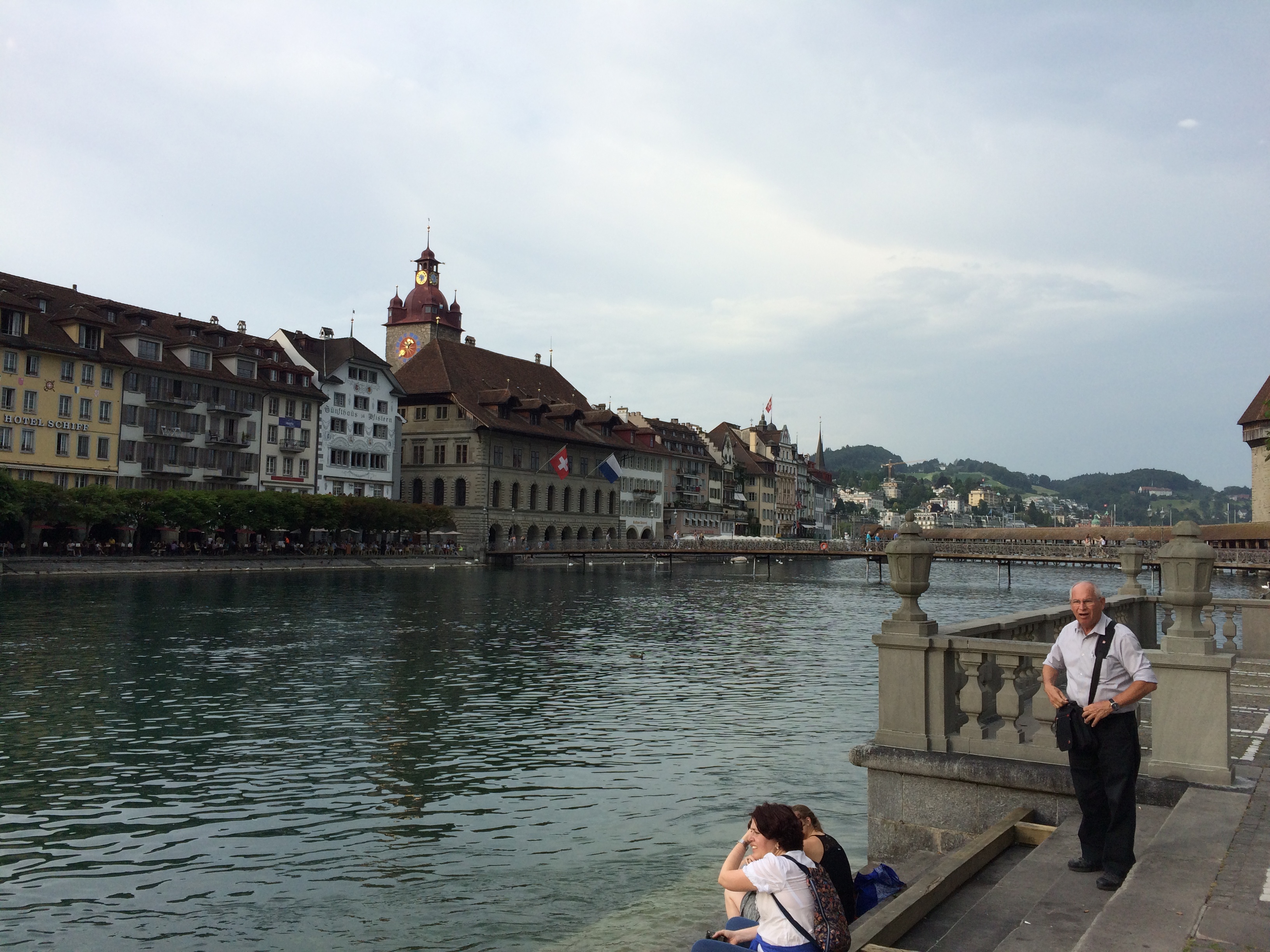
The wine scene is Lucerne, Switzerland (LINK) is varied, diverse, and generally speaking, fairly expensive. We recently spent a few days visiting this postcard-worthy city and visited a number of restaurants and wine shops.

2015-07-07 19.33.18

Let’s begin with Opus (LINK), a wine-themed restaurant along the riverfront next to the huge Jesuit Church. We sat outdoors, where there were seats for a couple of hundred guests. The menu is Swiss and Italian with a fairly extensive wine list that is international in scope. We opted for a bottle of Swiss Rosé to go with our dinner selection, the antipasto bar, which had a nice selection of salads, meats, and vegetables. The wines here are priced for on and off-site consumption, and there were some good bargains on the list, like an Amarone for under 30 Swiss Francs (about par with the US dollar when we visited). Opus was very enjoyable and we sent some friends there on ensuing evenings.

2015-07-07 20.38.25

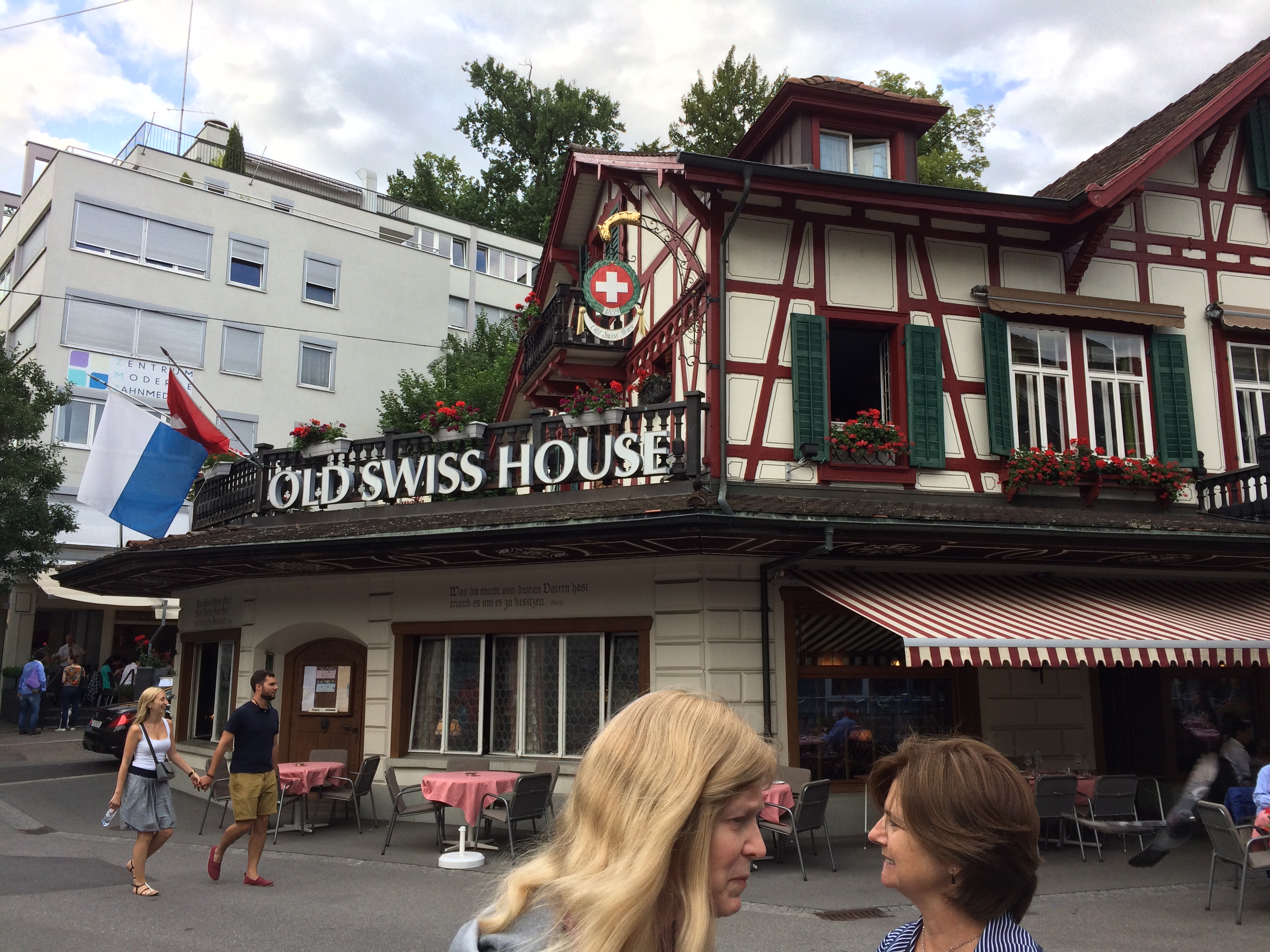
Another end of the spectrum is The Old Swiss House Restaurant (LINK), a revered tourist restaurant near the famous Lion Sculpture in Lucerne (LINK), just a couple of blocks off of the lake. Six of us tried to get a table one evening after visiting the sculpture and were told that they were full and referred to another very nice restaurant. So we made a reservation for the next night on the spot. So don’t go here for dinner without a reservation.

The building is historic and very picturesque, inside and out. The service is formal and competent. Eating here is like going back in time to a more formal era. There is a specials menu and a regular menu. Entrees run 40 to 55 Swiss Francs; appetizers from 14 to 25 Swiss francs – $$$$ level.

The wine list is deep, rich, and amazingly varied (and a bit disorganized). Along with the local wines of Switzerland, they have a wonderful selection of the finest French Burgundies and Bordeauxs (with about 15 Chateau Mouton-Rothchild First Growths on the list), plus some great Italians and even an Australian Penfold’s Grange (1996). These high-end wines are very reasonably priced, mostly at or below what I have seen them at retail, but still hundreds or thousands of Swiss francs per bottle. We opted for a Swiss Chardonnay that complimented my lobster over pasta dish perfectly – light, high in acidity, with notes of pear and grass on the nose, and almost no oak.

2015-07-09 18.56.52 2015-07-09 21.17.19

Restaurant Lapin (LINK) is a French/Swiss place with excellent service and a warm atmosphere. It is family run (the same family that runs the small hotel of which the restaurant is a part). The wine list is Swiss and French, with some nice selections, but not very adventurous. We opted for an old friend, a 2010 La Haute-Smith Burgundy Red Blend (LINK). We visited the chateau in Pessac-Leognan (LINK) in 2013 and enjoyed their wines very much. This one did not disappoint – the Merlot/Cabernet blend was rich, lively, and laced with dark fruit. Very nice.

The Globus Department Store’s basement is a gourmet food and wine market that is simply amazing. The wine department has a very good selection of wines and spirits, with an emphasis on Swiss and Italian wines, but with selections from all over Europe. There were wines for tasting as well, and Dorianne and I tasted nice wines from Portugal and Spain, and bought a bottle of the excellent Spanish tinto from Ribero del Duoro for our upcoming Rhine River cruise.

2015-07-08 14.19.56

I am sure that we just scratched the surface of the wine scene in beautiful Lucerne during our three-night visit. As a wine lover, it is a good place to visit.

WESTERN SONOMA – A TASTE OF THE POSSIBILITIES

The other day, I was joined by Sonic Nourishment (LINK) musicians Erika Luckett and Lisa Ferraro for a day in western Sonoma for some wine tastings and lunch. It was a perfect day weatherwise, and we began with a drive out to Iron Horse Vineyards (LINK) near Sebastopol.

Known for their sparkling and white wines, Iron Horse consists of just over 100 acres of vineyards. We opted for two tastings, with Lisa getting the sparkling wines and me getting the white wines (Erika was our designated driver). The sparklers were all well-crafted (with the exception of one that turned out to be a bad bottle – when we pointed it out to the tasting room personnel, another one was opened, which was fine). I am not a huge sparkling wine fan, but I do appreciate the bubbly from time to time, and these were all very drinkable to me. Lisa said that she was overall less impressed than on a prior visit to Iron Horse.

The whites, all Chardonnays, were equally well-crafted, especially the 2012 Rued Clone Chardonnay which was especially well-crafted with a nose of white fruit – pears and apples – with a hint of caramel. Very nice. We did not taste any of their Pinot Noirs, saving our strength for the long day ahead.

One note – the tasting notes pages at Iron Horse said nothing about the wines, only naming some suggested food pairings. Since there was no food available, I did not find this very helpful. On the other hand, the tasting room staff was very helpful and paid attention to everyone.

Next, we headed into Healdsburg (LINK) for lunch and to hit a couple of tasting rooms there.

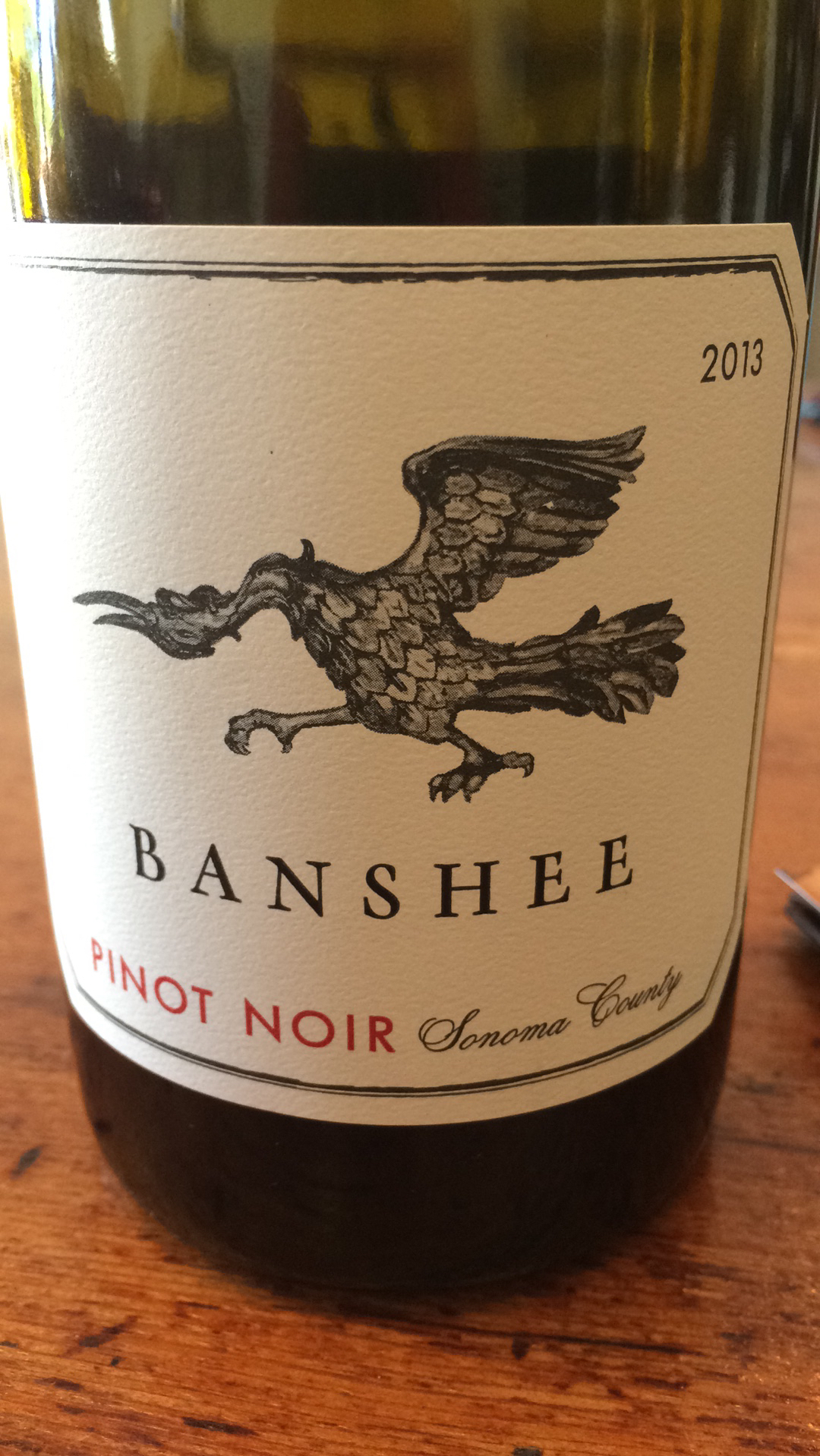
After a healthy lunch at the Oakville Grocery, we headed over to Banshee Wines (LINK), for some Chardonnay, Sauvignon Blanc, Pinot Noir, a Cabernet and a red blend. Banshee sources fruit from a number of Sonoma coastal and inland vineyards. They produce wines that are more Californian than Burgundian in style, which is not surprising. Lisa and I each did their basic tasting (there is also a reserve tasting), of three Chardonnays and two Pinot Noirs. They were all well-crafted and very good (think somewhere between oaky and stainless steel for the Chardonnays; the reds were very nice with one exception – The 2013 Mordecai Red Blend, made up of 9 varietals, had such an off-putting nose (think swampy) that neither Lisa nor I could get to the tasting. We asked the tasting room staff if this was a bad bottle, and were told that it was fine. We dumped that one.

Otherwise, the Banshee Wines that we tasted were enjoyable. Like many smaller producers in the area, their price points are a bit high for the average buyer – but if you like the wines, you will buy them.

2015-06-18 14.52.20

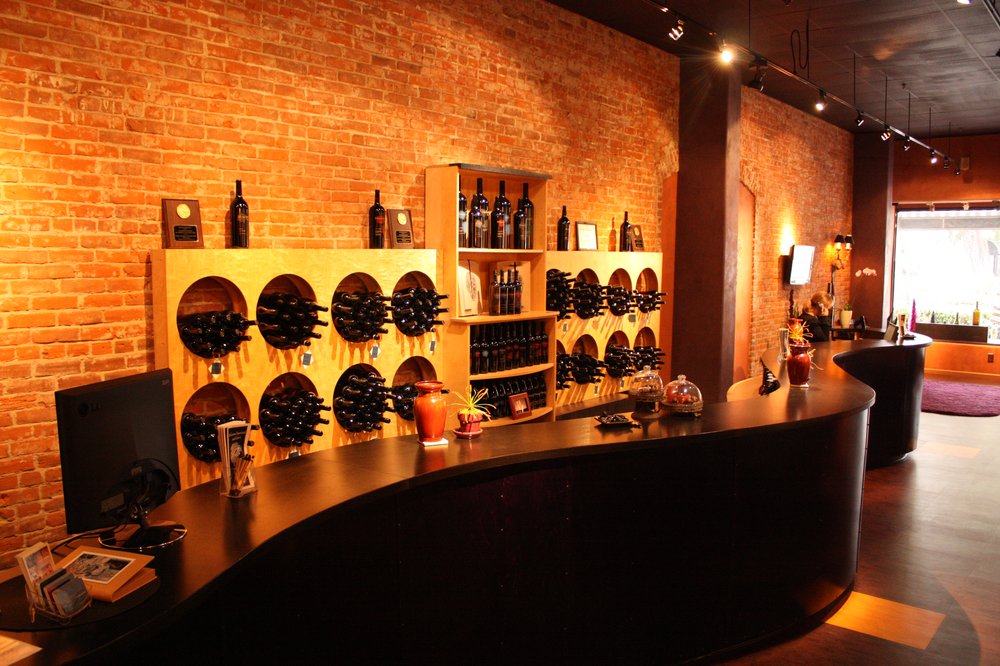
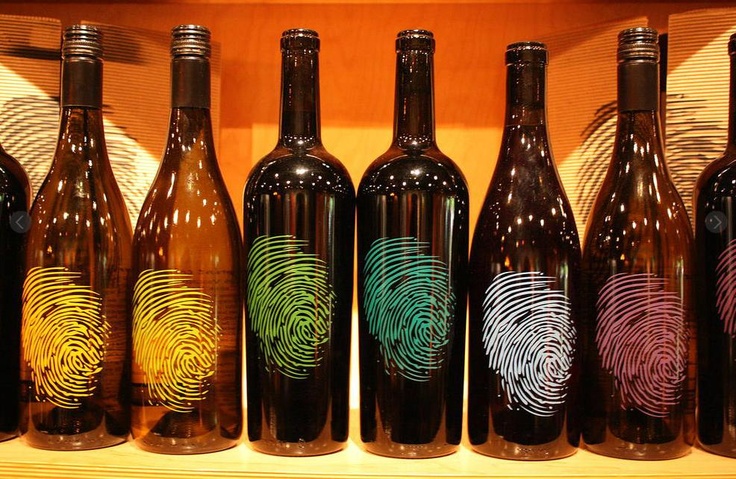
Our final stop of the day (we needed to beat the traffic back to the East Bay), was Thumbprint Cellars (LINK), whose tasting room is just off the square in Healdsburg. I had some of their wines a couple of years back, when they were regularly featured on the Wines Till Sold Out (www.WTSO.com) site, and liked them very much. When I mentioned that to the tasting room staff, I was told that those were special blends made just for WTSO at the time.

We started with their 2013 Arousal white blend of Sauvignon Blanc and Viognier, a floral nose, very rich mouth feel, and smooth finish on this one. We also tasted the 2011 Climax red blend, a mix of 44% Syrah, 26% Merlot,
20% Zinfandel, 7% Cabernet Franc, 3% Viogner
. This one is very smooth and complex (as you might imagine), but well-balanced. Very nice. I brought a bottle of this one home; so did Lisa. The 2011 Sonoma County Cabernet Sauvignon was everything you would want in a Sonoma Cab – rich, spicy, bold, and lots of dark fruit, but with an elegance that is so often missing in “big” wines.

Wine - thumbprint-cellars-wine-tasting-room
Thumbprint Cellars Tasting Room

Wine - Thumbprint - Sonoma

So that was our day in Western Sonoma. Like all such tasting outings, we had a great time and missed a lot of wineries. But that gives us something to go back for.

WINE IN ICELAND – NOT SO MUCH

We just finished a 3-day layover in Reykjavik, Iceland, a no-cost option from Iceland Air. We were returning to the states from Europe, and Iceland Air had great fares and the stay-over option, so we opted for that.

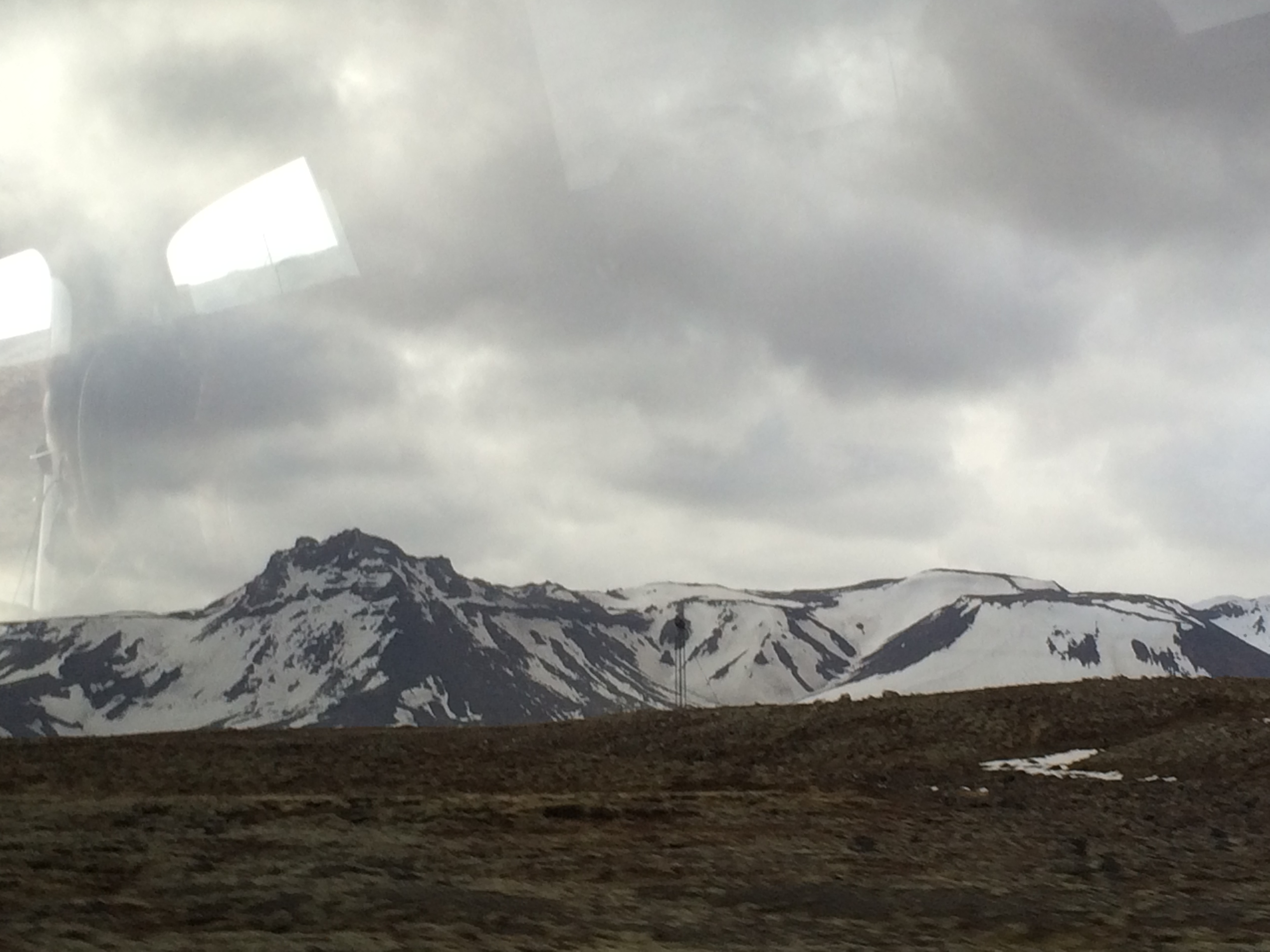
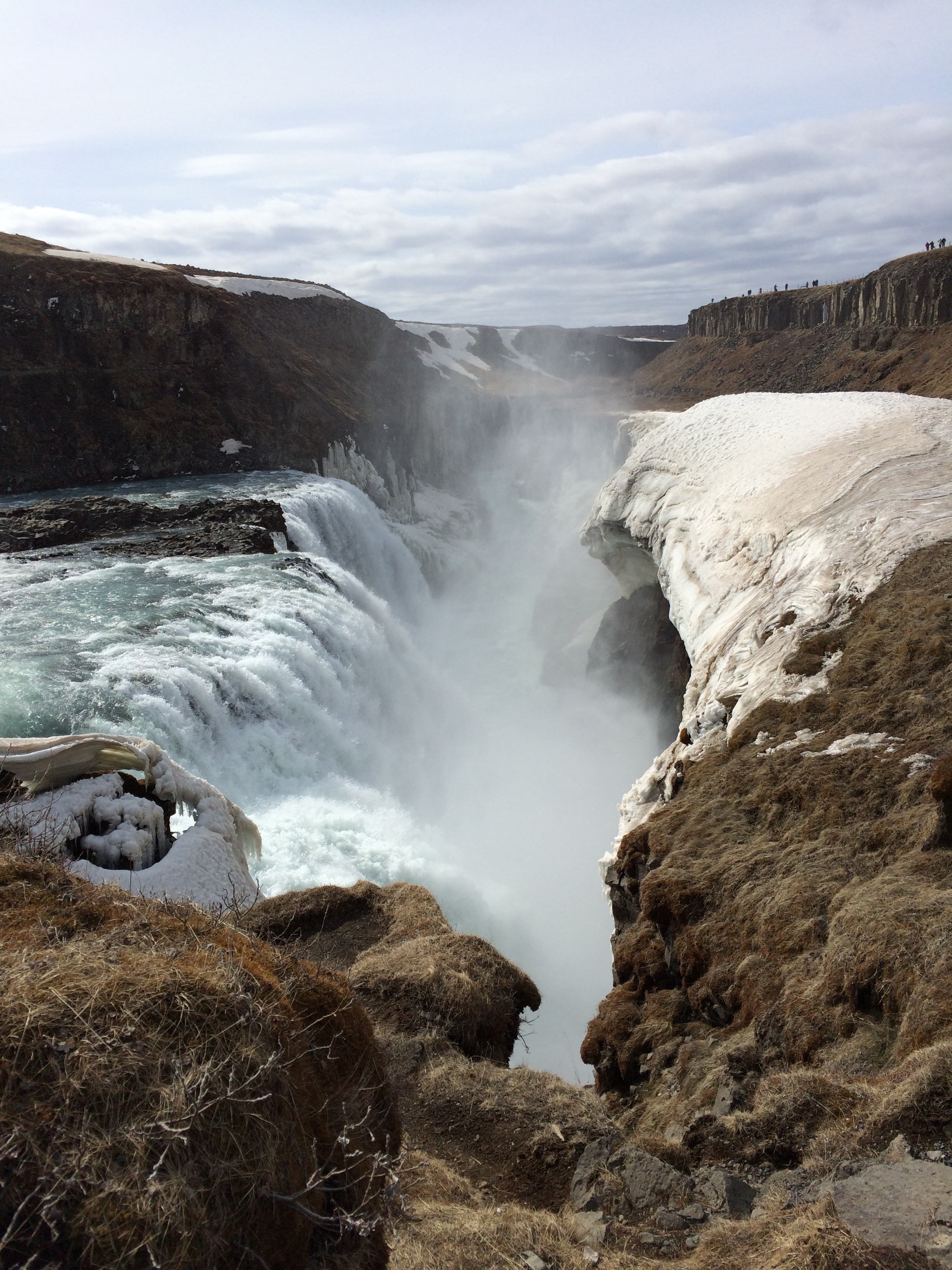
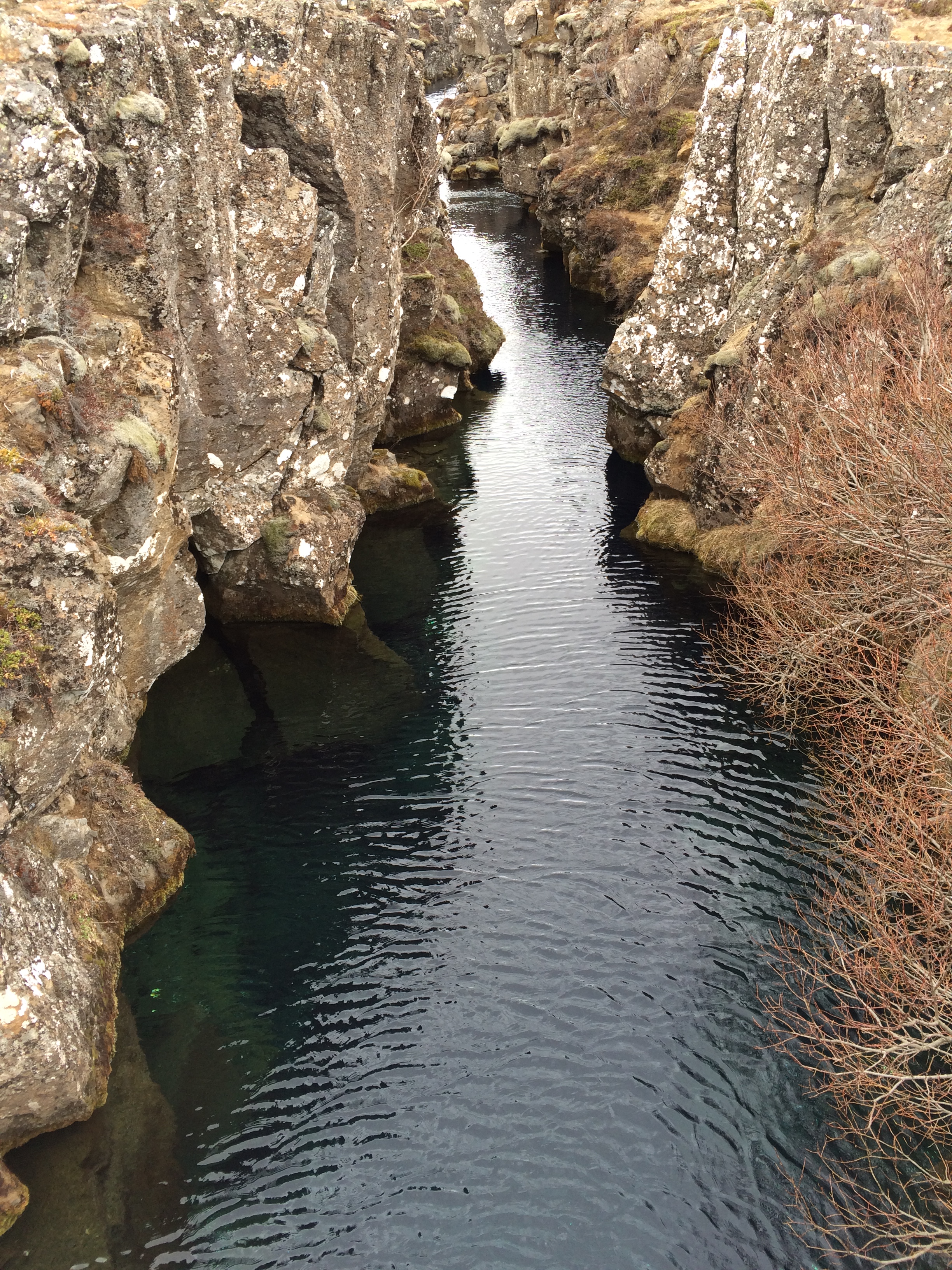
Iceland is an amazingly beautiful and desolate place – a volcanic island with very few trees and most of the vegetation is moss on the black lava rock that is just about everywhere. That said, there are some amazing sights to see – here are a few photos.

2015-05-13 09.20.17 2015-05-13 09.28.59 2015-05-13 11.21.42 2015-05-13 11.28.40 2015-05-13 14.05.54 HDR 2015-05-13 14.18.14 2015-05-13 14.27.55

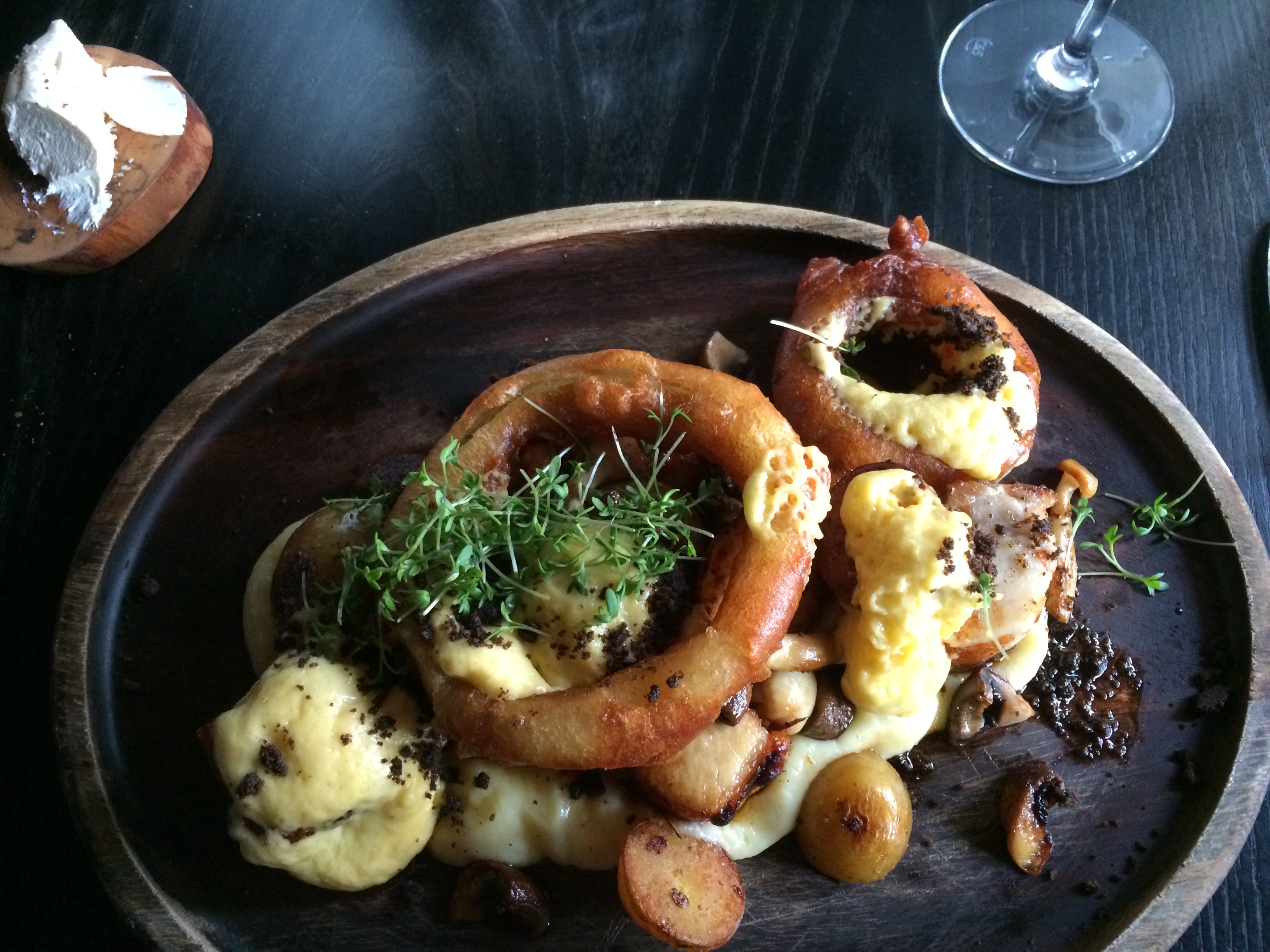
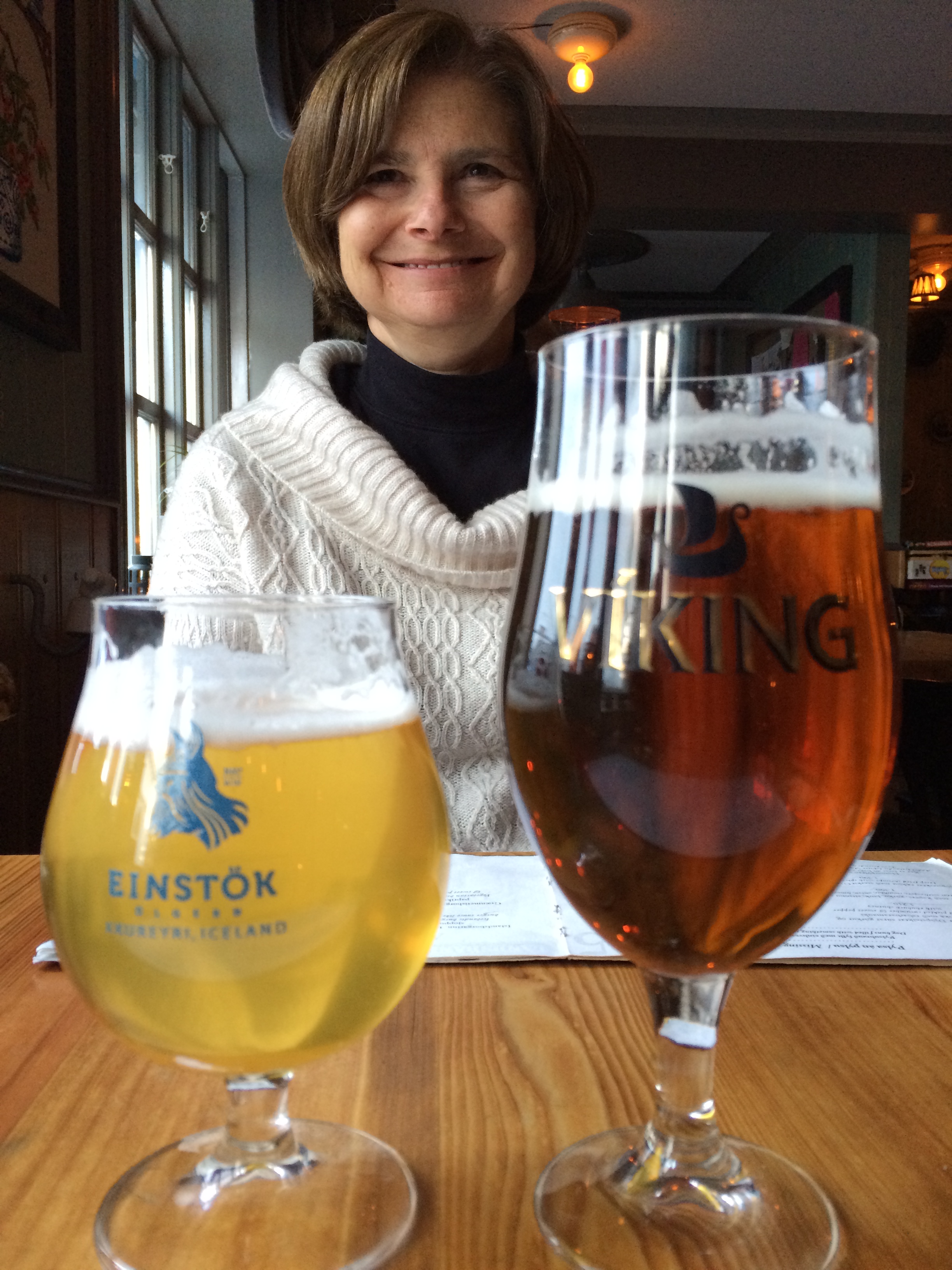
In Reykjavik, the capital, there is an amazing food scene with great restaurants featuring inventive culinary dishes using local fare (fish and some game) and imported goodies, too. Unfortunately, the wine scene is not so good. This shouldn’t come as a surprise – remote island, small population, EU tariffs and regulations, etc. Many restaurants have wine list, and some of them are even decent in terms of quality and variety, but the prices are astronomical. A U.S. Dollar = 130 Icelandic Krona, so below, a bottle of Piccini Brunello costs $125.00; a bottle of Berringer Zinfandel costs $60.00. Not terrible, but very high. Icelandic Beer, which is excellent, is a much better value.
2015-05-12 13.32.35 2015-05-12 13.55.26 2015-05-13 19.14.45 2015-05-13 19.43.012015-05-11 18.53.02

So, I highly recommend Iceland for a short stay-over (not the ideal place for a long vacation unless you love isolation and have a lot of $$ for food and beverages), but plan on drinking the wonderful Icelandic Beers most or all of the time.

2015-05-12 18.52.45 2015-05-12 18.53.03

A GEM IN ST. EMILION – CHATEAU GUILBEAU

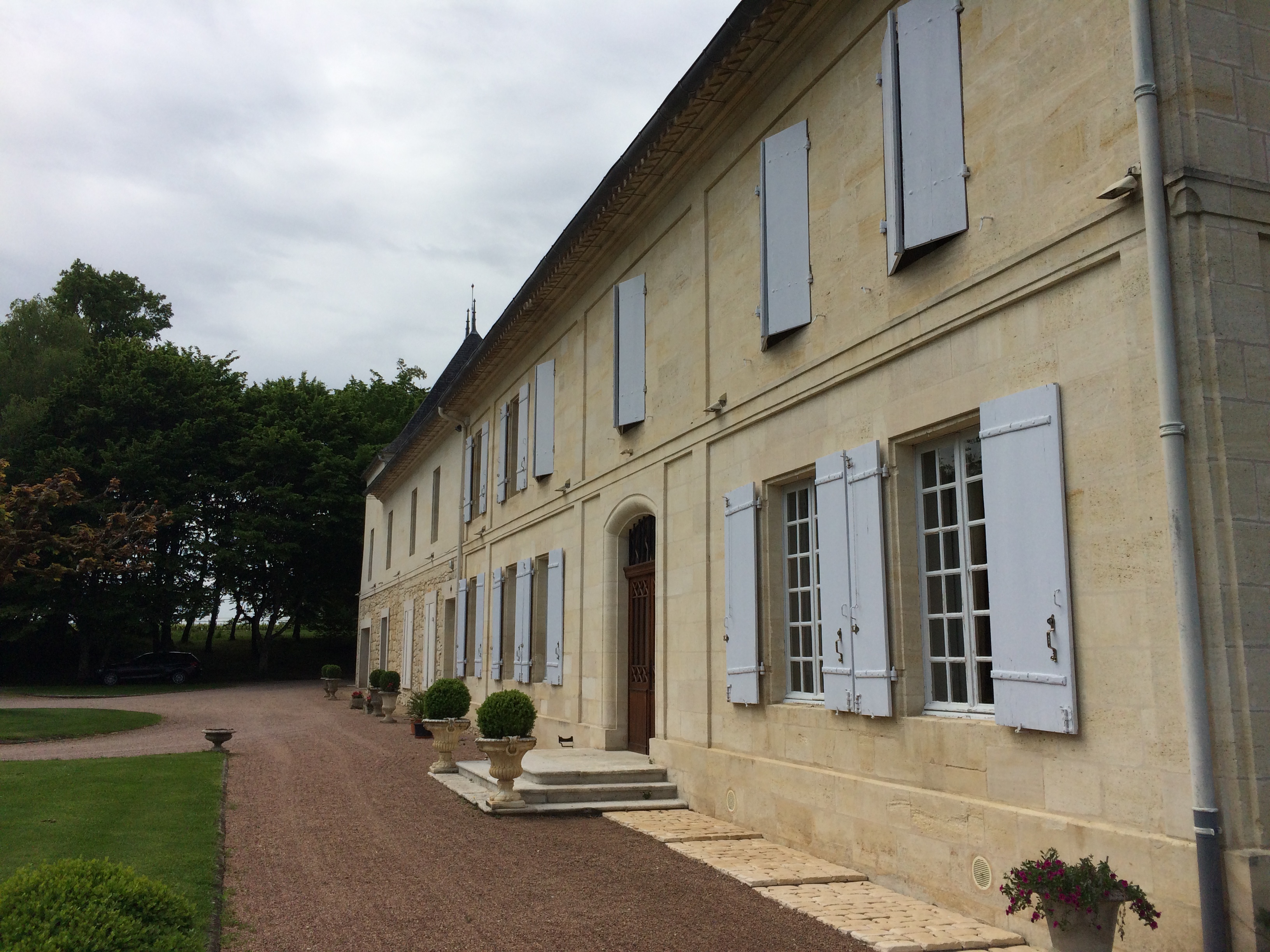
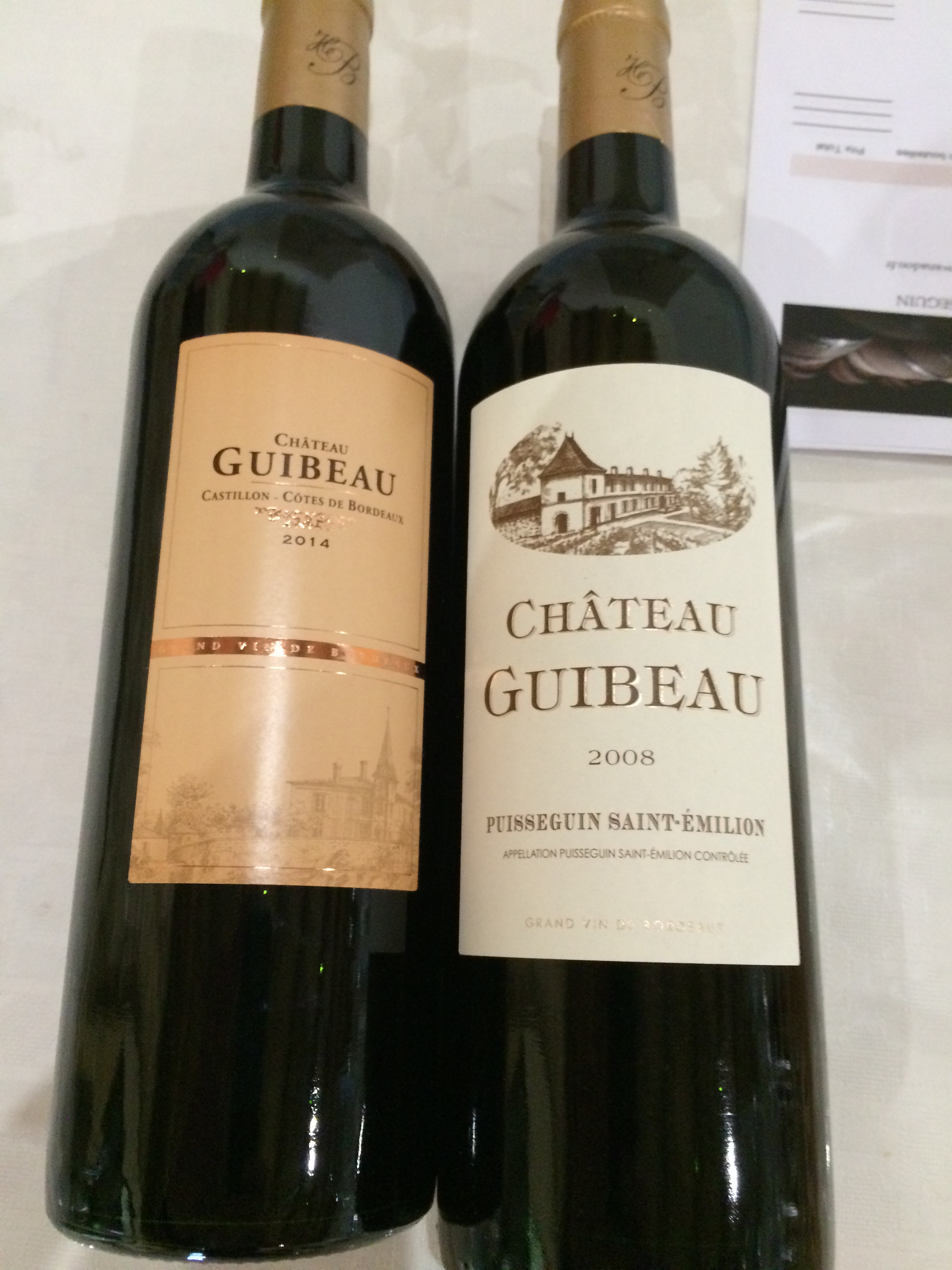
We arranged a visit to Chateau Guibeau (LINK) through a friend who is doing academic research on the vineyard and winery. After some pleasant email exchanges with Brigitte Destouet Bourlon and her husband, Eric, the co-owners, we visited last Thursday. Eric focuses on the vineyards, Brigitte on the marketing, and they collaborate on the wine making. The vineyard is actually the combination of properties of two families united in marriage a couple of generations ago, Chateau Guibeau and Guibot The Fourvieille. Wines are made under both labels today.

2015-05-07 13.29.43 2015-05-07 14.08.47 2015-05-07 14.08.55

Located in the St. Emilion (LINK), area, the property and its chateau overlook a beautiful valley and Puisseguin, the village below.

The vineyard of 41 hectares (101 acres), planted with Merlot (75%), Cabernet Franc and Cabernet Sauvignon is located in the town of Puisseguin (LINK), in the Bordeaux Region.

2015-05-07 16.02.08 2015-05-07 16.02.12 2015-05-07 16.02.17

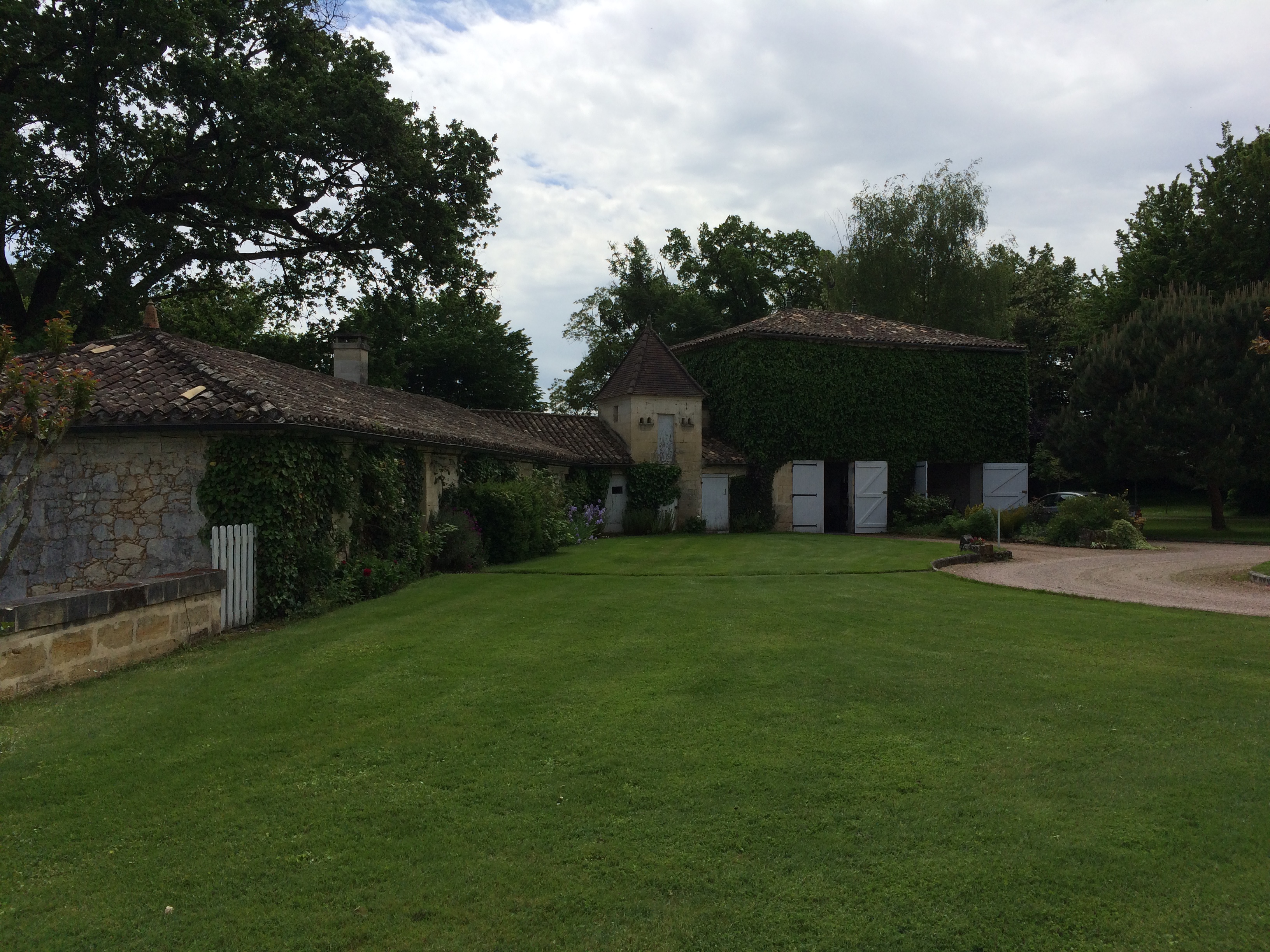
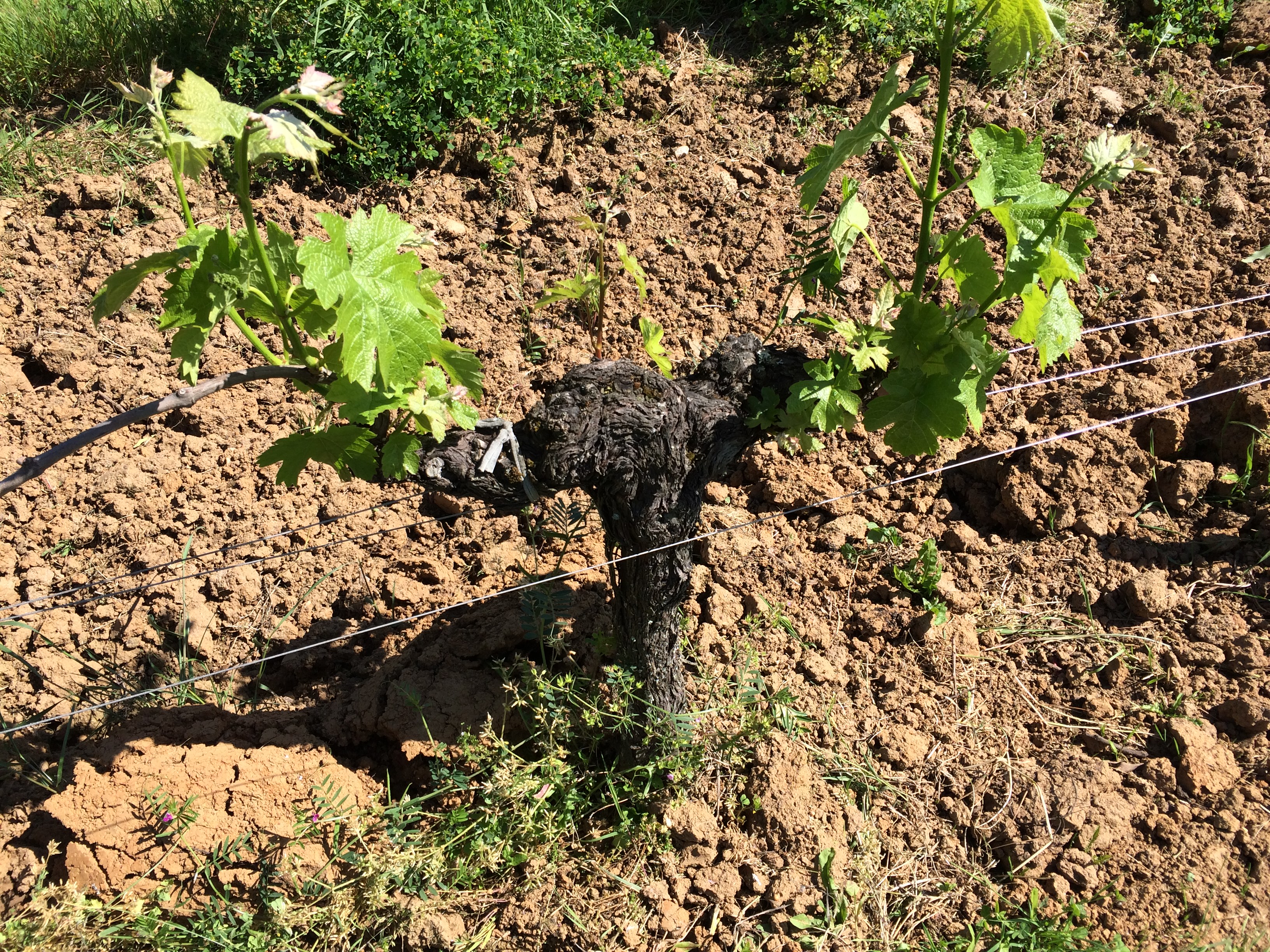
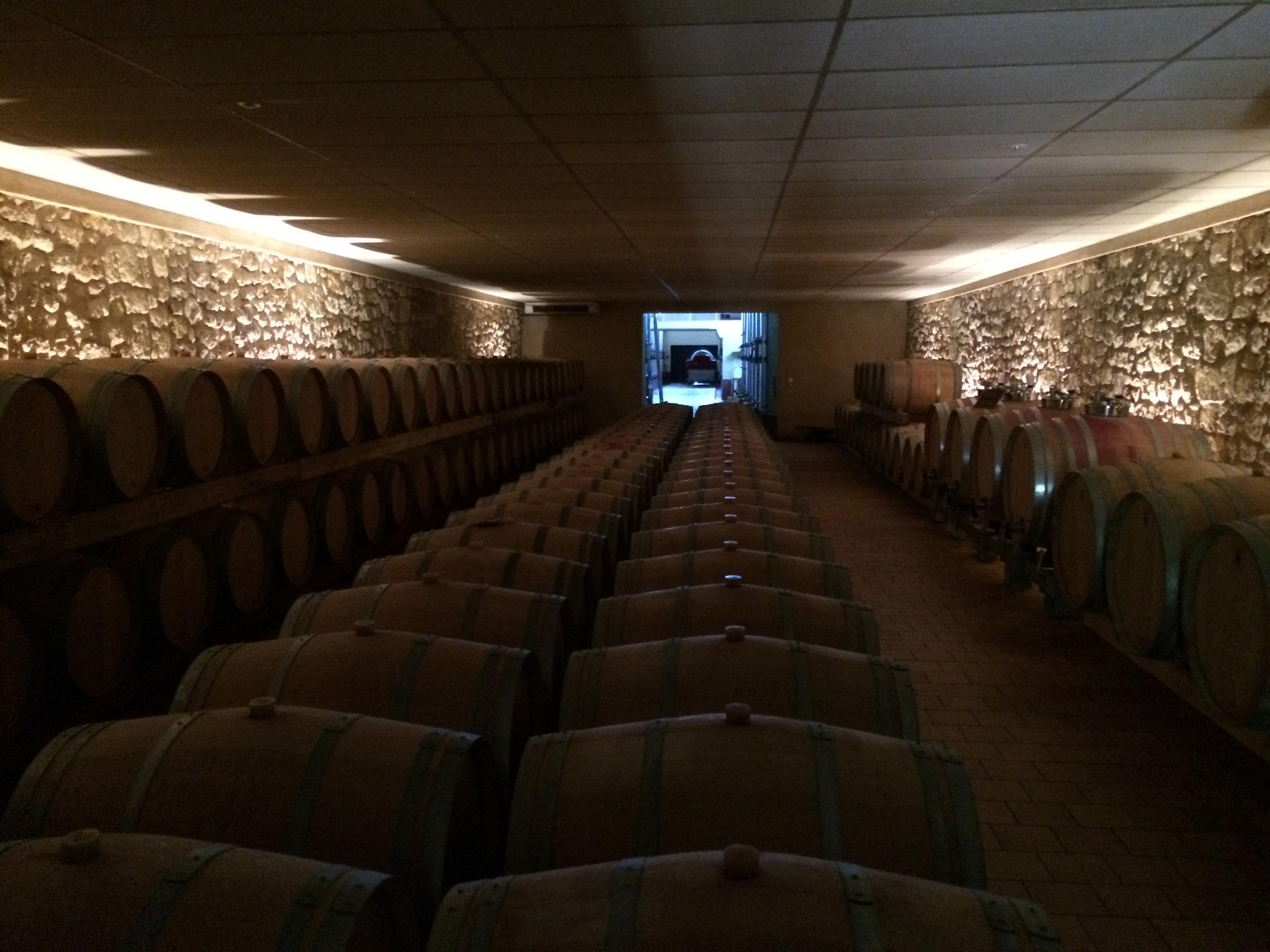
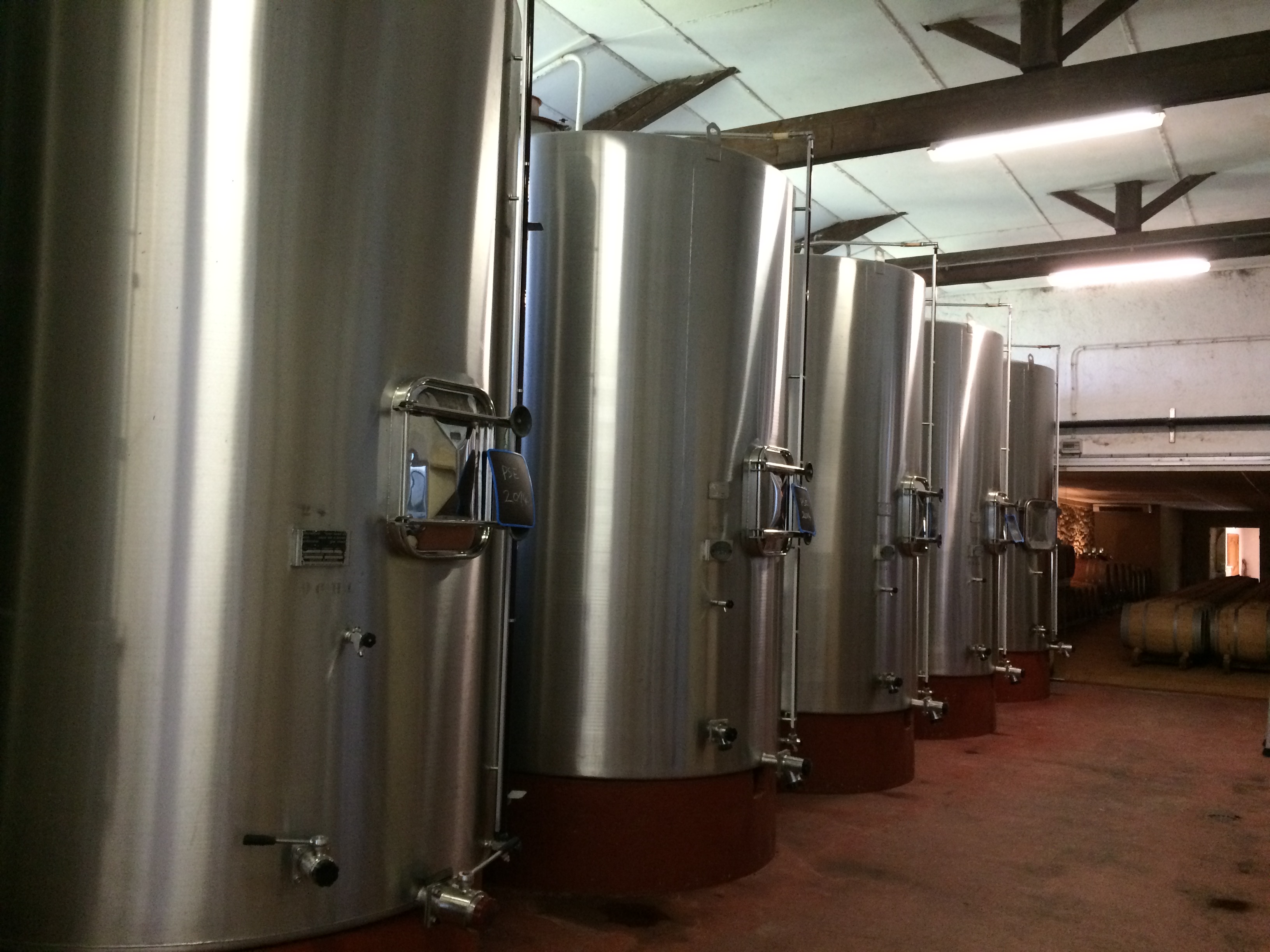
We walked around the beautiful grounds, toured the barrel room and the wine making areas, with the vast fermentation vats, did some tasting, then got a tour of the vineyard with Eric. They have been converting to a fully-organic vineyard over the past five years, and have their first vintages under that regimen produced. This required quite a bit more work for them in the vineyards, but they feel that it is worth it for environmental and health reasons.

2015-05-07 15.11.51
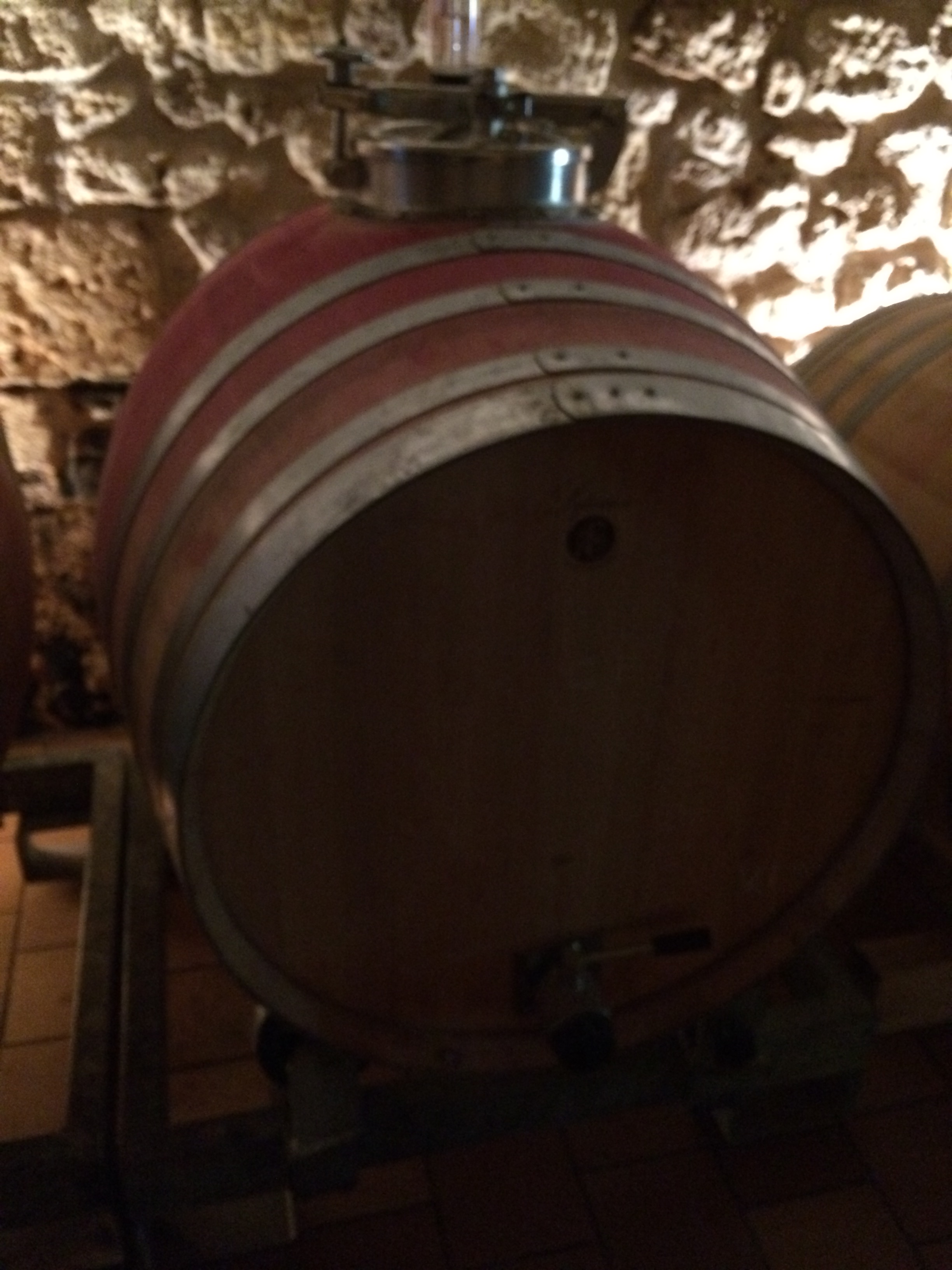
A special barrel design to aid in-barrel fermentation. This one is Merlot.

2015-05-07 15.10.52 2015-05-07 15.16.22

The wines that they produce at the Chateau are all reds – mostly Merlot, as it the case with most Right Bank producers in Bordeaux. The blends vary from year to year, but normally have at least 70% Merlot with lesser amounts of Cabernet Franc and Cabernet Sauvignon. Their 2012 Chateau Guibeau (LINK) blend is 80-10-10.

2015-05-07 15.24.34 2015-05-07 15.24.42

2015-05-12 21.16.10

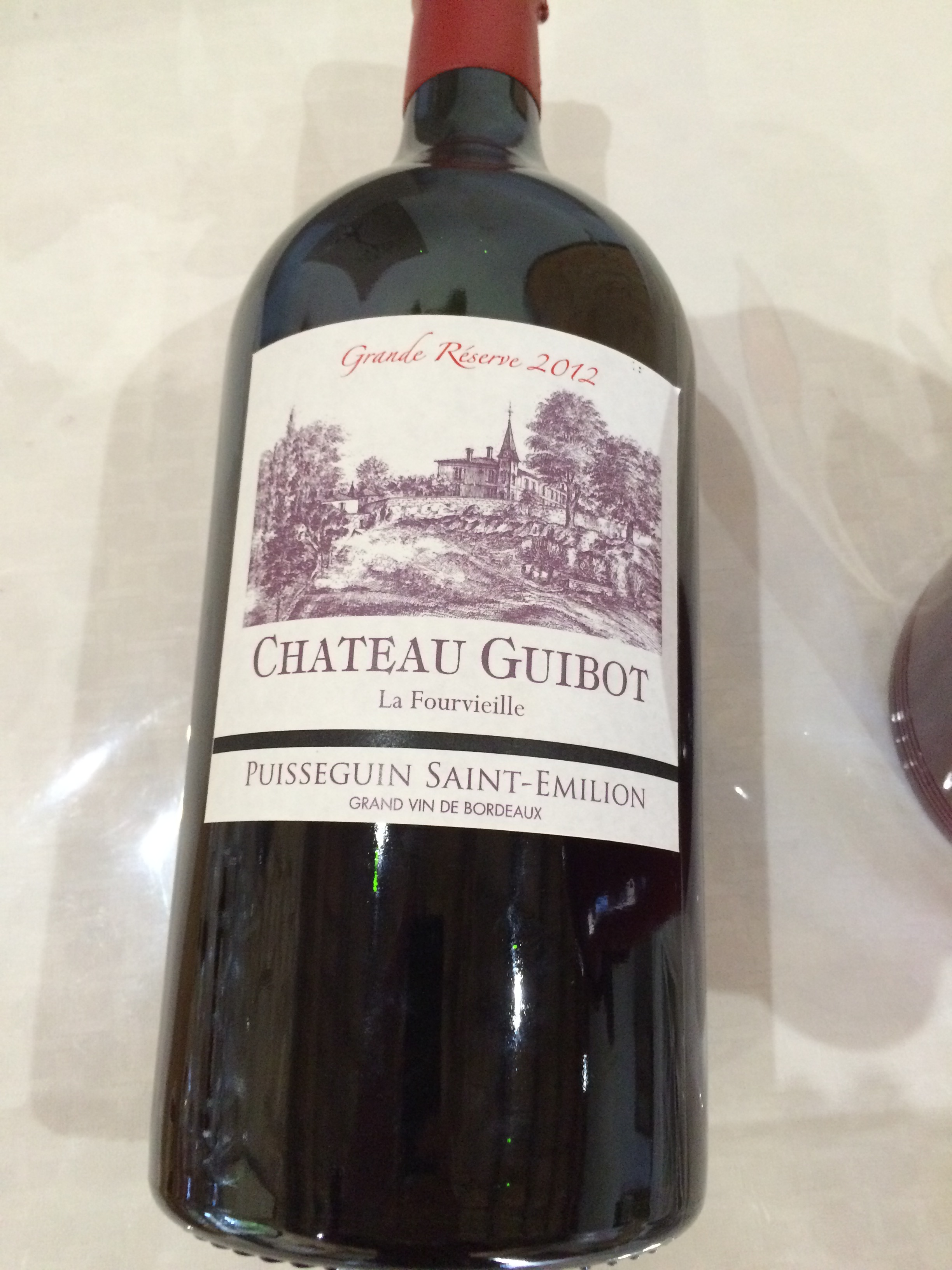
The Chateau Gibeau that we tasted, the 2012, shows great promise – it has a good balance, moderate tannins, a nice sense of dark fruit and a hint of minerality. It should improve with age. The 2008 Chateau Guibot La Fourvielle Puisseguin Saint-Emilion (LINK) was a revelation. This 85% Merlot, 15% Cabernet Franc beauty is rich with dark fruit, moderate tannins and acidity, and an underlying minerality that strikes both the nose and the palate in a very nice way. This wine should age well, but is ready to drink now. We bought several bottles to bring to the states, but two have disappeared so far on our journey home.

2015-05-07 15.28.28
Jim and Brigitte Destouet Bourlon in the Chateau Guilbeau tasting room.

There is also a guest house to rent on the Chateau property – here is the (LINK).

This is a very good house, doing very good things – look for their wines and visit when you are in Bordeaux.

6 WEEKS IN SPAIN – SUMMING UP

Our trip to Spain has been a wonderful experience. Madrid, Seville, Jerez, Cordoba, Sitges, and Barcelona – each unique and each an expression of the overall Spanish culture and way of life. And the wines! We stayed mostly in AirBnB.com (LINK) apartments with a couple of hotels for shorter stays. We walked almost everywhere and used the trains and busses – we only had a rental car for one week.

We began with five days in Madrid, the capital and one of Europe’s great cities. We stayed near the old town and the Palau  Real (Royal Palace), where there were a variety of restaurants, bars, cafes, and clubs. Madrid also has the high-end nightlife of a major city, although things are still a bit depressed here as the overall economy struggles to recover from the recession that hit Spain particularly hard. That said, it is a magnificent place to visit and we will surely return for a longer stay. The Prado Museum is among the very best in the world.

Slide1

Tapas is the king of food in Spain, and since the recession, these small plates of nearly infinite variety have moved from the status of late afternoon or late night snack to the evening’s repast. The variety and quality of Tapas at the many small tapas bars and cafes is simply astounding. And there is inexpensive and very good wine everywhere! During our stay in Spain, we probably averaged 2 euros a “copa” or glass. On most wine lists in the tapas bars, ALL of the wines were under 20 euros a bottle (and the dollar and euro are currently nearly at par)! So a Tapas dinner for two – three to five plates and two to three glasses of wine each – was almost always under 20 euros. This was true everywhere we went. There are more expensive places to eat, but the vast majority of food establishments in Spain are very, very reasonable.

After five days in Madrid, it was onto the Renfe High Speed Train for a nice ride down to Seville (Sevilla), the largest city in southern Spain’s Andalusia area. Seville is a gem of a city with a great history and a bustling food and wine scene. It is a home of Flamenco, and we saw some amazing shows while in town. We stayed for 3 1/2 weeks in an AirBnB.com apartment near the center of the old town. We were literally surrounded with history and the hustle and bustle of a busy city.We explored the city’s Tapas bars, the Arabian Spas, the Mercados (markets), along with the many historical and religious sites. We could have stayed longer. The people are amazingly welcoming, very proud of their city and their culture. We met many locals through our AirBnb host.

Slide2

Slide3

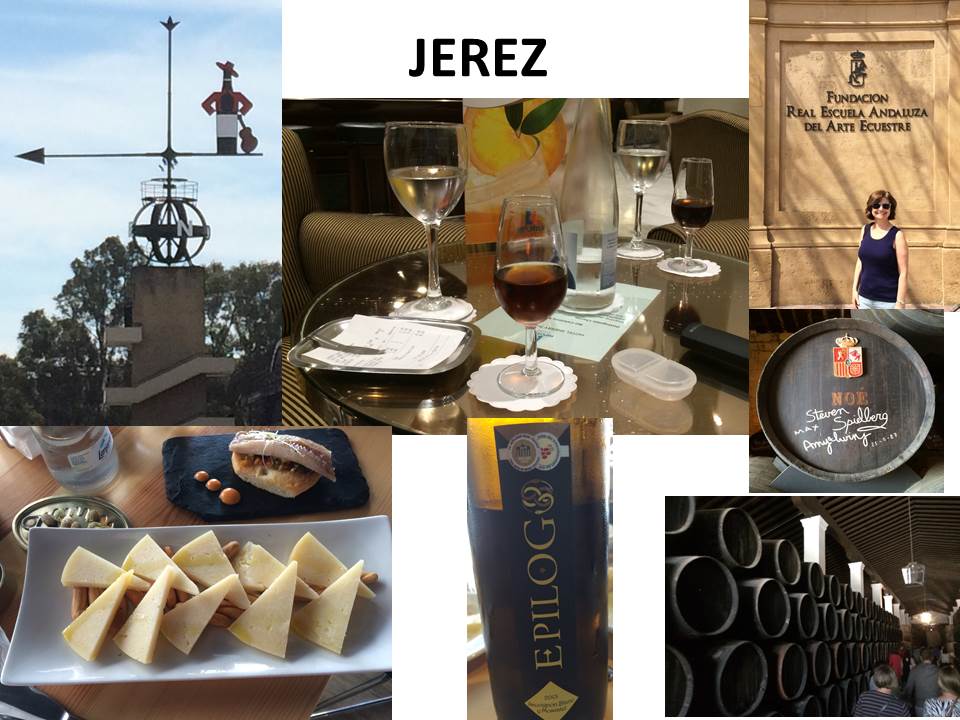
While in Seville, we did side trips. One was a weekend in Jerez, the center of Andalusian Sherry production. Jerez is like a mini Seville with a historical city center, but with numerous Bodegas where Sherry is produced and Tabacons, bars where Sherry is served out of the cask and where, frequently, Flamenco shows are staged. It is also home to the Royal Andalusian Horse Training Center, which we visited for a performance.

Slide4

After Seville, we flew to Barcelona’s Airport (BCN), but did not go right to Barcelona. We rented a car and went south a bit to Sitges, a wonderful Mediterranean Beach Community. Sitges reminds me of the French Riviera, only it has sandy beaches and that amazingly inexpensive Spanishn food and wine. We stayed at a beachfront hotel for seven nights and explored the food and wine scene a bit. Sitges is near the Penedès D.O. (LINK) wine region. You can read about our winery visits there here (LINK) and here (LINK). Sitges was relaxing and enjoyable.

Slide5

Then it was on to Barcelona for the final week in Spain. This was my third visit to this wonderful city. Part of the reason that we came was that both Dorianne and I were presenting at a conference at the ESADE Business School (LINK) on Spirituality and Creativity in Management. We still managed to squeeze in some wonderful food and wine, though. Also, Barcelona is home to all things Gaudi – that’s Antoni Gaudi (LINK), the genius visionary architect and designer. We stayed a bit out of the city near the FC Barcelona Stadium, which was a great choice.

Slide6

So Spain has cast its spell on me once again. It is with mixed feelings that we depart for France tomorrow, as much as I love France. Spain was hit hard by the financial collapse, but it is coming back gracefully, as far as I can see. And Spanish Wines – tintos, blancos, cavas, and Sherrys – are among the best values in the world today. So go to your local store and ask for something Spanish and then make a few small plates at home and sit back and savor the culture that brought us so much and continues to do so.

Some photos from our trip.

2015-03-30 21.26.25 2015-04-10 11.03.25 2015-04-15 12.35.47 2015-04-17 13.54.02 2015-04-21 12.59.54 2015-04-21 15.02.37 2015-04-22 11.51.10 2015-04-22 14.50.14-1 2015-04-23 17.23.33

2015-04-08 22.02.19