Tag Archives: Pinot Noir

MAKING THE MOST OF NOT GETTING FED

Last week, our friend Mary Stec held the first of a series of cooking classes at her home. Dorianne went over to do dishes as the evening progressed. I, of course, offered to be wine steward, assuming that we would be pouring Richard (Mary’s husband and our wine co-op winemaker) Clark’s wine.

Dorianne and I arrived a bit before the students and I examined the bottles of wine co-op red wine that Richard had set out. There were red blends, a Merlot, a Cabernet Sauvignon, and a Syrah. Once everyone arrived, I poured them each a glass and Richard and I headed down to the den to await further instructions, expecting that as each course (Tuscan Autumn Cooking) was completed, we would receive a sampling.

Did I mention that Richard and I were drinking, well, let’s say different wine from the folks upstairs. I brought a 2007 Au Bon Climat White Table Wine, which was not chilled and had been stored in the refrigerator. Richard told me to select a wine from several cases that he had recently obtained – cases of VERY nice wines. I pulled a 2009 Kistler Cuvee Elizabeth Sonoma Coast Pinot Noir, Bottle #16586; you know, something nice, but not at the top level of what was in those cases, so as not to appear greedy.

2014-11-03 21.26.56
The Au Bon Climat & the Kistler.

So we opened the Kistler – heaven! We sat back to watch a football game. The wine went down smoothly, but, after a glass or two, I began to wonder when the morsels of food from the cooking class would arrive. I asked Richard about it, but he was clearly on orders not to disturb the goings-on in the kitchen for ANY reason. So we finished the Kistler.

After a few minutes of sitting with empty glasses, I boldly went up to the kitchen, circled through the living room so as not to walk through the class, and entered the back near the refrigerator. Nothing resembling completed food was in evidence. Coolly, I slipped the Au Bon Climat from the refrigerator and retraced my circuitous steps to the lower den. We opened the bottle and basked in the explosion of perfectly aged wine with strong fruit, great structure, and nearly perfect balance. Food, what food?

Oh, food – getting hungry – it’s almost 8:30. Not even an appetizer in site. A friend, Keith, taking the class, passes through the den on the way to the rest room. “Food?” we ask. “You want some food? Sure.” So after completing his mission, Keith goes upstairs and gets us some crackers and a kind of cheese dip. We are in good shape.

2014-11-03 21.27.13
Au Bon Climat – Back Label.
2014-11-03 21.27.25
Kistler – Back Label.

The Au Bon Climat is soon almost gone, and we are called upstairs to pour wine for the dinner. After completing that duty, we again retire to the den with plates heaping with amazing Tuscan delicacies. We finish the white wine and the evening is declared a success.

Oh, I’m fine with no one at the cooking class knowing that we did not drink the co-op wines. AND I want to stress, that my commentary in no way indicates anything negative about Mary’s Cooking Classes – they are amazing.

MY FAVORITE WINERIES AND VINEYARDS – Clos Pepe Estate

Clos Pepe, owned by Steven and Kathy Pepe (the Spanish pronunciation, not the French), is a unique winery and vineyard for several reasons. Their wines, primarily Chardonnay and Pinot Noir grown and crafted in the Burgundian tradition, are one. The miniature heritage sheep who keep the undergrowth beneath the vines trimmed and the dogs that herd them are another. Their secondary labels, Axis Mundi, featuring wines crafted from fruit from other Central Coast vineyards are another.

But the main reason that Clos Pepe Estate is such a unique operation is the winemaker, Wes Hagen. Wes is unique among winemakers in a variety of ways – one of which being that he is as much, or more, of a philosopher than anything else. Oh, he crafts amazing wines – some of my absolute favorites – but it is the depth of knowledge about all things wine and wine-related (plus a lot of other stuff) that make being around him so entertaining and enriching.

2014-03-15 17.28.40 HDR
Jim Lockard and Wes Hagan at a recent charity tasting of Clos Pepe and Axis Mundi wines.

Visitors to the Estate (by appointment only) are greeted in the vineyard by Wes. Everyone gathers around a vine and he begins his very thorough presentation that includes the geological history of the Santa Rita Hills (a part of California that is separated from the North American tectonic plate and has been rotating at about ¼ inch a year for the past 12 million or so years, so that the valleys here run east and west rather than north and south. This makes for excellent conditions for cool-weather loving grapes like Pinot Noir and Chardonnay); the 6500 year history of wine and viniculture that began with a single vine in Kazakhstan – the ancestor of every wine grape vine on the planet today; the history and philosophy of Clos Pepe in growing their fruit and making their wine; a bit about the sheep and the dogs; Q&A time; THEN up to the owner’s home to taste (and purchase) some wine.

As the videos on the Clos Pepe website show, Wes can tell a story, explain a concept, delve into science, and bring up Joseph Campbell without skipping a beat. He truly loves his work, and he continually studies in a variety of areas to keep his incredible mind occupied and productive.

Clos Pepe wines are beautifully crafted from vines on the 28 acre estate. A number of top California wineries also source fruit from Clos Pepe vineyards. Wes, ever the experimenter, yet aware of tradition, crafts Pinot Noirs in both the lighter, more elegant French tradition, as well as the bigger, bolder California style. They emerge beautifully and age very well.

Wine - Clos Pepe label

The Chardonnays are also crafted in the French style primarily, with a nod to what California consumers are looking for as well. Wes is given to grand descriptions of his wines (that prove to be very accurate). Here, is a description of the Chardonnays from the website:

The Chardonnays are naturally lean, mineral-laden and racy, but with more winemaking influence can exhibit richness and roundness: new oak, malolactic treatment, extended barrel aging. When young, the wines have austere structure and bright apple fruit with hints of tropical fruit and peach. Clos Pepe Chardonnay is crafted for both early enjoyment as well as cellaring for a decade or more. As the wines age they gain a hazelnut and mineral complexity, quite similar to Premier Cru Chablis and White Burgundy from great vintages. Try young Clos Pepe Chardonnays with oysters, fried chicken or barbecue. Older vintages can be enjoyed with sand dabs in a lemon cream sauce, firm cheeses, cream-based soups, or any kind of delicate seafood preparation. Clos Pepe Chardonnay seems to like 3-5 years from vintage date to fully integrate, and can last up to 10-12 years for those that appreciate full maturity and a bit of oxidative aromas and flavor.

Dorianne and I have Pinot Noirs from Clos Pepe in our cellar going back to 2007, and Chardonnays from 2010 on (hard to keep the Chardonnays on the shelf). We pull them out mostly for special dinners or to share with good friends. With every bottle, I think of Wes Hagen, the depth of knowledge that he carries into his winemaking, and those sheep. Beautiful wines and beautiful memories.

SOME UNUSUAL WINES THIS WEEKEND

We drank three rather unusual wines this weekend. On Friday, we attended a clambake with three other couples. The event was hosted by Richard Clark, our wine co-op wine maker and his wife, Mary Stec, at their home. In addition to fresh Maine lobsters, mussels, clams (including belly clams), Jonah crab claws, chorizo sausage, etc., etc., there were two very special wines (among several).

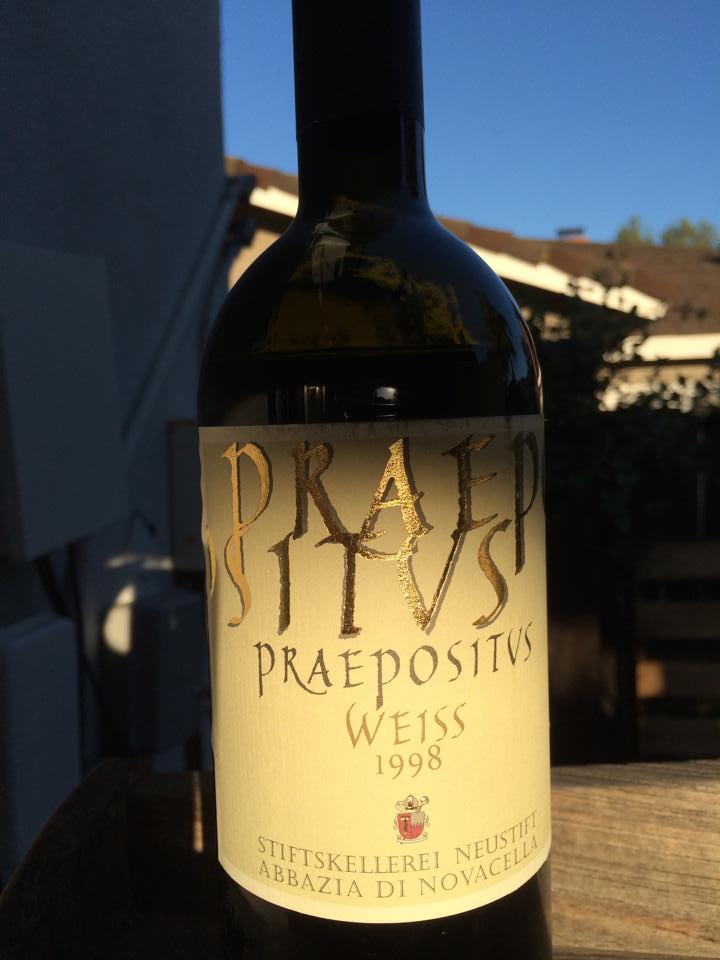
Wine - Italian White Label
The 1998 Praepositus Weiss

First, Richard brought a 1998 Abbazia di Novacella (Stiftskellerei Neustift) Weiss Praepositus out of his cellar. That mouthful is actually a northern Italian white wine that obviously from the part of Italy near Switzerland. The 1998 Praepositus Weiss is a white blend – I was unable to find the specific varietals included, although they grow Sylvaner, Grüner Veltliner, Kerner, Pinot Grigio and Müeller Thurgau grapes in the producer’s vienyards. The winery, Abbazia di Novacella, is a monastery.

The wine was very dry and lacked an strong sense of fruit, both on the nose and in the mouth. The color was golden yellow – the wine had aged well, and if anything, it seemed like it could use a few more years in the bottle, even though it was a 1998. Hints of earth and minerality showed. The wine was a good accompaniment to the seafood, and it lasted about ten minutes with four couples present.

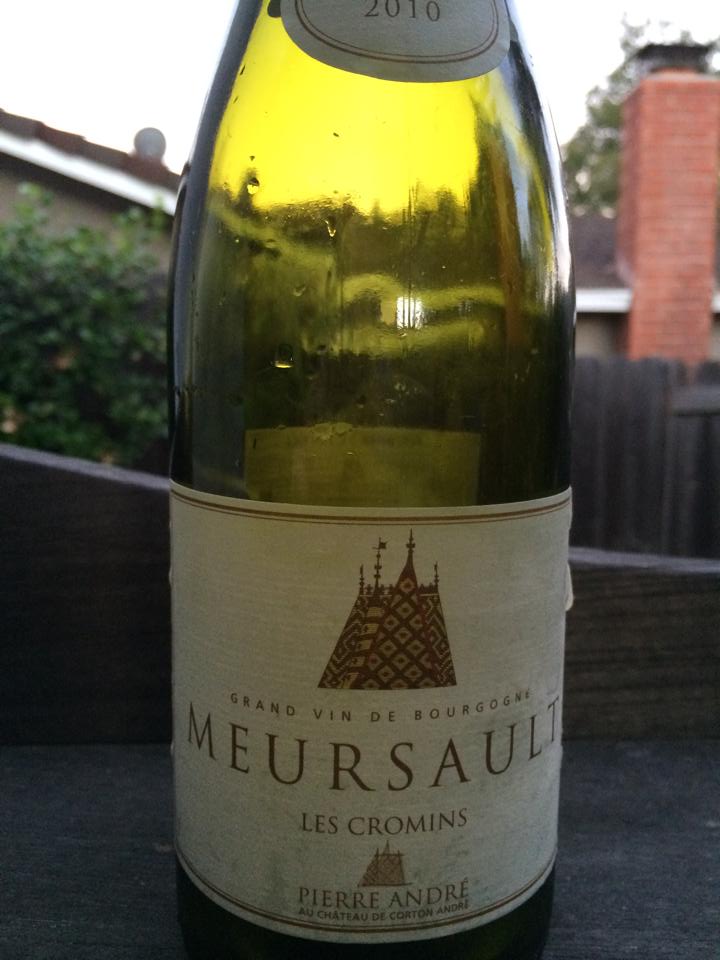
Wine - Meursault Label
The 2010 Meursault

The second wine was one that I brought, a 2010 Pierre-Andre Les Cromins Meursault from Burgundy. Dorianne and I purchased the bottle at the winery north of Beaune, when we got lost. The welcoming sign of a chateau with a wine barrel with two bottle sitting atop it caused us to turn off of the road. We had a wonderful time exploring the caves beneath the chateau and tasting some amazing wines. A couple from Australia was there on an around-the-world trip, so we had a nice conversation with them.

The Meursault was, well, delicious. The nose was both fruity (pear, green apple) and herbaceous at the same time. The wine was very smooth and was a perfect accompaniment for those Maine Lobsters.

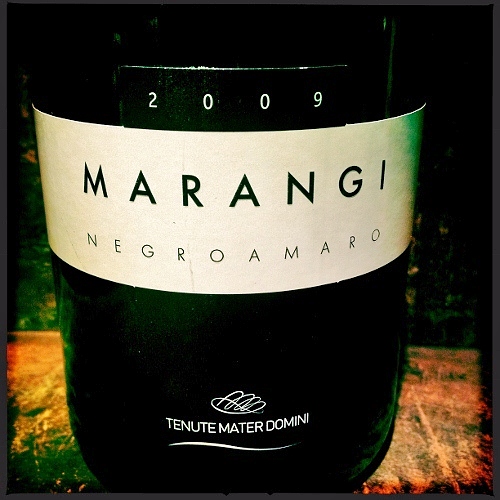
The next evening, we had to help Mary and Richard polish off all that seafood. Mary decided to make a cioppino – and she made a beautiful one! I scoured my wine cellar (actually located in about 6 places around the house – need to attend to that soon), for something red, Italian, and not too acidic to go with the tomato in the cioppino. I found a bottle of 2009 Marangi Negoramaro that I had purchased a year or so earlier from Wines-Till-Sold-Out. I was curious about the fairly rare Negroamaro varietal.

Wine - Marangi Negroamaro
The 2009 Marangi Negromaro

The wine is very dry, moderately tannic and acidic, herbaceous with hints of leather and dirt on the nose. The taste was more of the earth than the fruit. I went perfectly with the cioppino in my opinion. Dorianne preferred the Pinot Noir from Tolosa in the Edna Valley provided by our host. I recalled that Dorianne had not really liked the wine when I opened the first bottle a while back. She is consistent!

I am not sure if you can find any of these wines easily or at all. I thought I would share the experience, because it is fun to explore and to hear about the unusual.

What unusual wines are you drinking lately?

GO-TO ROSÉS FOR SUMMER

During the past decade, rosé wines have gone from the very low end of the wine spectrum to a place much closer to, if not the top, then the upper-middle. This is, in part, due to the overall improvement in everything in wine from viniculture to winemaking skills and techniques across the industry. As a result of these developments, almost all wines, especially mid-range and lower end wines, have improved.

But rosé has gotten even better, because some great winemakers have begun to produce rosés, especially in California and Oregon. Provence, the recognized king of rosé regions, has also upped their game. The result is a much higher quality set of options for summer wine drinking – or any time that you would like to enjoy a nice, light, crisp and, increasingly, complex wine.

As noted in the earlier post on Go-To White Wines for Summer, Dorianne and I tend to reverse our normal ration of 75% reds to 25% whites and rosés in the summertime. We drink fewer reds and those tend to be lighter reds (we may even serve them chilled a bit).

So our Go-To rosés for Summer – the value wines that we go back to again and again – are

King Estate Acrobat Rose
Acrobat
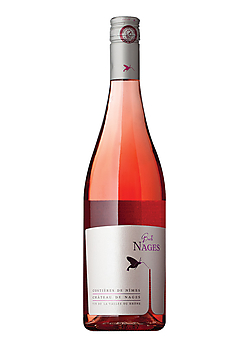
Wine - Nages
Nages

Chateau de Nages Buti Nages Nimes Rosé (2012) purchased from Total Wine and Spirits ($9.99) and King Estate Acrobat Rosé (2013) purchased from World Market ($11.99).

Both of these wines are crisp and dry, fruit-forward wines. The Chateau de Nages is from the Rhone Valley and is 60/40 Grenache/Syrah aged in oak barrels. The Acrobat is a Pinot Noir and is aged in stainless steel.

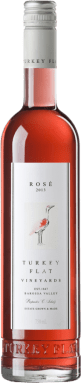
Wine - TurkeyFlat-Rose2013
Turkey Flat

A little higher up the price spectrum is a wine that I have had several times over the past decade, but is not available every year, at least not where I have looked. The wine is Turkey Flat Rosé from the Barossa Valley in Australia. The grape is Shiraz and the wine is always dry and crisp with some minerality enhancement to the fruit that one expects from a rosé.

As always, I recommend that you explore around your local wine shops and other retailers and see what rosés they are stocking. Have a conversation with the folks in the shop to see what they recommend based on what you like. I have found some interesting wines this year, including a Cabernet Sauvignon rosé from South Africa. There are also some very well-crafted California rosés this year – but at higher price points than the French rosés, including Provence, Bordeaux, and the Rhone and Loire Valleys.