Monthly Archives: November 2015

AN ITALIAN OASIS IN OAXACA

Dorianne and I are spending a month in Oaxaca, Mexico. We knew coming in that this culinary capital, known for molè sauces, chocolate, and coffee was not wine country. The drinks here are mescal and cerveza. Indeed, we have had some wonderful meals, both in the city and out in the pueblos, where indigenous people make amazing foods.  But wine – not so much.

There is a large supermercado near our Colonial Reforma AirBnB.com house that has a wine section featuring a few South American and Mexican wines, plus a smattering of French, Italian, and Spanish bottles – all at the lower end of the spectrum.  The U.S. is represented here by Gallo. You don’t really find fine wines here, but some decent bottles are available if you know where to look. Better restaurants feature Mexican wines, but the local cuisine, driven by spicy molès, salsas, etc., does not pair well with wine for the most part. Beer (cerveza) is just fine for most cocina oaxaqueña meals.

And, I was, truth be told, growing a bit weary of the local cuisine after two weeks of nothing  but . . .

T2015-11-27 18.56.15hat is why we were so happy to discover Ristorante Italiano Epicuro (no website, LINK to FB page), an oasis of fine Italian dining with a small, but welcome list of Italian wines – a regular list and an artisanal list with a total of about 30 wines. Stepping in off of Calle Guerro into number 319 one is transported, if not to Italy, to a sophisticated setting that could  be in any major city. The decor consists of light green walls, very high ceilings, with a portion that has a retractable roof for this climate, scenes of things Italian on the walls, and nicely appointed tables. There are not a lot of restaurants in Oaxaca that are not oaxaqueña, so there are really few guidelines for how to handle the mix of cultures in terms of food and decor. Ristorante Italiano Epicuro goes purely Italian on the food and a more general upscale look on the decor.
Our good friends Richard Clark and Mary Stec were in town visiting for a few days. They used to own a gourmet chocolate business and sourced their chocolate and molès from Oaxaca. It was their last night with us in Oaxaca, so we went for dinner early – before 7:00 pm, so the place was nearly empty.

Our waiter, Juan Carlos, a veteran of the high-end Los Angeles restaurant scene (Valentino and others), greeted us warmly and masterfully guided us through the evening. Chef Valter Epifania is from Genoa, and knows his way around the kitchen. He came to our table near the end of the meal. We also met Eder, the owner, who came to Mexico from Italy six years ago and opened the restaurant a year later.

We ordered two bottles of wine from the smaller “artisanal wine list.” All were under 600 pesos, or about $35 U.S. at the current exchange rate of 16.8 pesos to the dollar. The most expensive bottle on either list was an Italian Cabernet Sauvignon on the main wine list for 820 pesos, or about $48 U.S.

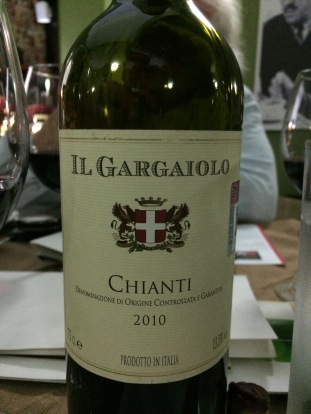
Our first bottle was a 2010 Il Gargaiolo Chianti, 85% Sangiovese & 15% Merlot. It was very dry and tight at first, but it opened up after a while. I would say that the Merlot added a richness to the Sangiovese. A decent, but not a great wine.
2015-11-27 18.56.02

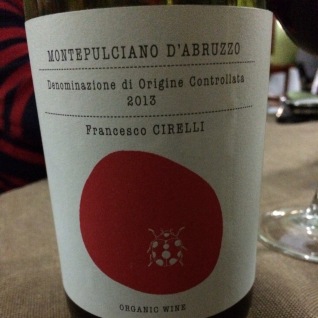
Next we opted for a 2013 Francesco Cirelli Montepulciano d’Abruzzo, and organic wine. Aged in stainless steel, the wine had a sense of terroir and a decent balance of dark fruit, with leather and chocolate overtones. Dorianne was the only one of us who preferred the Chianti to this wine.
2015-11-27 20.04.31

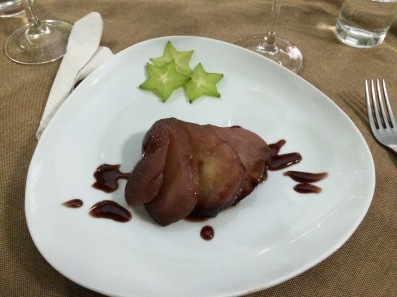
The menu is purely Italian, with first courses, pastas, and secondi (not the terms on the menu). A complimentary eggplant appetizer (deliciously rich) is provided. We also received a sampling of their ice cream dessert after not ordering dessert. When Dorianne could not eat that due to allergies, a pear poached in red wine was substituted by the chef for her. Very nice!

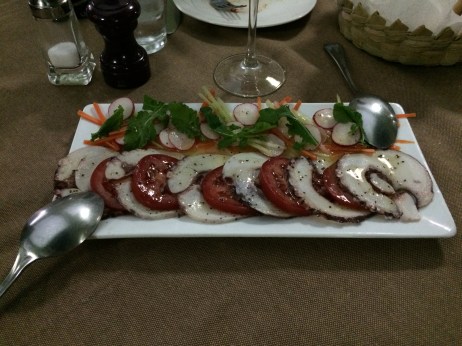
We shared a pulpo carpaccio appetizer that was delicious and reminiscent of the pulpo in Spain. The octopus for this dish was sourced in the Gulf of Mexico we were told.
2015-11-27 19.15.33
Pulpo Carpaccio – Delicious!

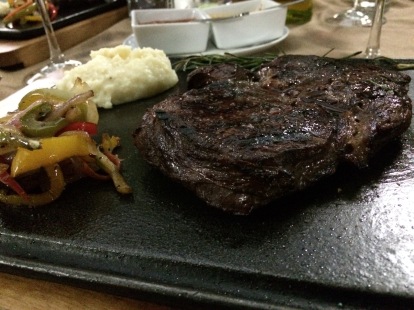
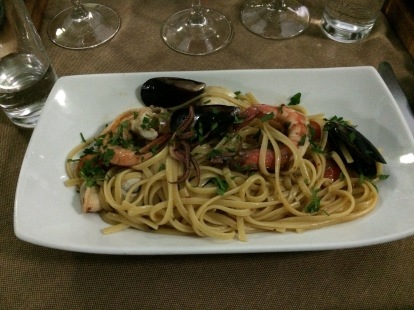
Then, Dorianne opted for a seafood pasta for her main dish. Mary and I ordered the rib-eye steak made with Ecuadorian beef; Richard had the special of the evening – rack of lamb.
2015-11-27 19.43.41
Ecuadorian Beef Rib-Eye Steak
2015-11-27 19.43.29
Seafood Pasta
2015-11-27 20.24.47
Pear Poached in Red Wine

All of the main courses were excellently prepared and delicious. We remarked that this quality of Italian dining in the US would command a much greater price. The bill, with tip, was just over 2440 pesos, or under $150 U.S. for four of us, including two bottles of wine!

Richard and Mary have left, leaving Dorianne and I to return to this Italian Oasis a few times in our two remaining weeks in Oaxaca.


THE GRAND TASTING AT THE GARAGISTÉ FESTIVAL IN PASO ROBLES

The grand finale of the Garagistè Festival is the Grand Tasting, featuring around 70 wine makers who produce 1500 cases or less of their wine in a year. The festival, with newer branches in Solvang and Los Angeles each year, is a great opportunity for these small producers to become known.

This year’s Grand Tasting was held at the Paso Robles Fairgounds in the Frontier Town area. The wine makers were arranged in a figure-eight configuration with a few vendors at the center. There were some wine makers who have been to all five Garagistè Festivals in Paso and some new this year.

The overall quality of the wines presented has greatly improved over the years, as wine making techniques have improved across the board. At the first Garagistè Festival that I attended in 2010, about 20% of the wines were good or better. Today, that figure is closer to 60%.

Garagiste Photo
The Garagistè Festival logo artwork.

The Grand Tasting runs from 2:00 pm to 5:00 pm, with VIP ticket holders who also attended the morning seminars (LINK TO POST) getting first crack for an extra hour from 1:00 to 2:00. The scene gets louder as the day goes along – there are a lot of rookie wine drinkers here who don’t know how to taste, or don’t care, so a few drunks are about by 3:00 or so.

I will point out some of the better wine makers (IMHO) in the photos – also see the post on the Friday Night Wine Makers’ Mixer (LINK TO POST) for the best from that evening, almost all of whom were also at the Grand Tasting.

2015-11-07 14.50.01
Broken M Wine’s Karl Wicka. He and his wife, Heidi are owner-operators of this very nice operation.

Missing Leg’s Website: (LINK)

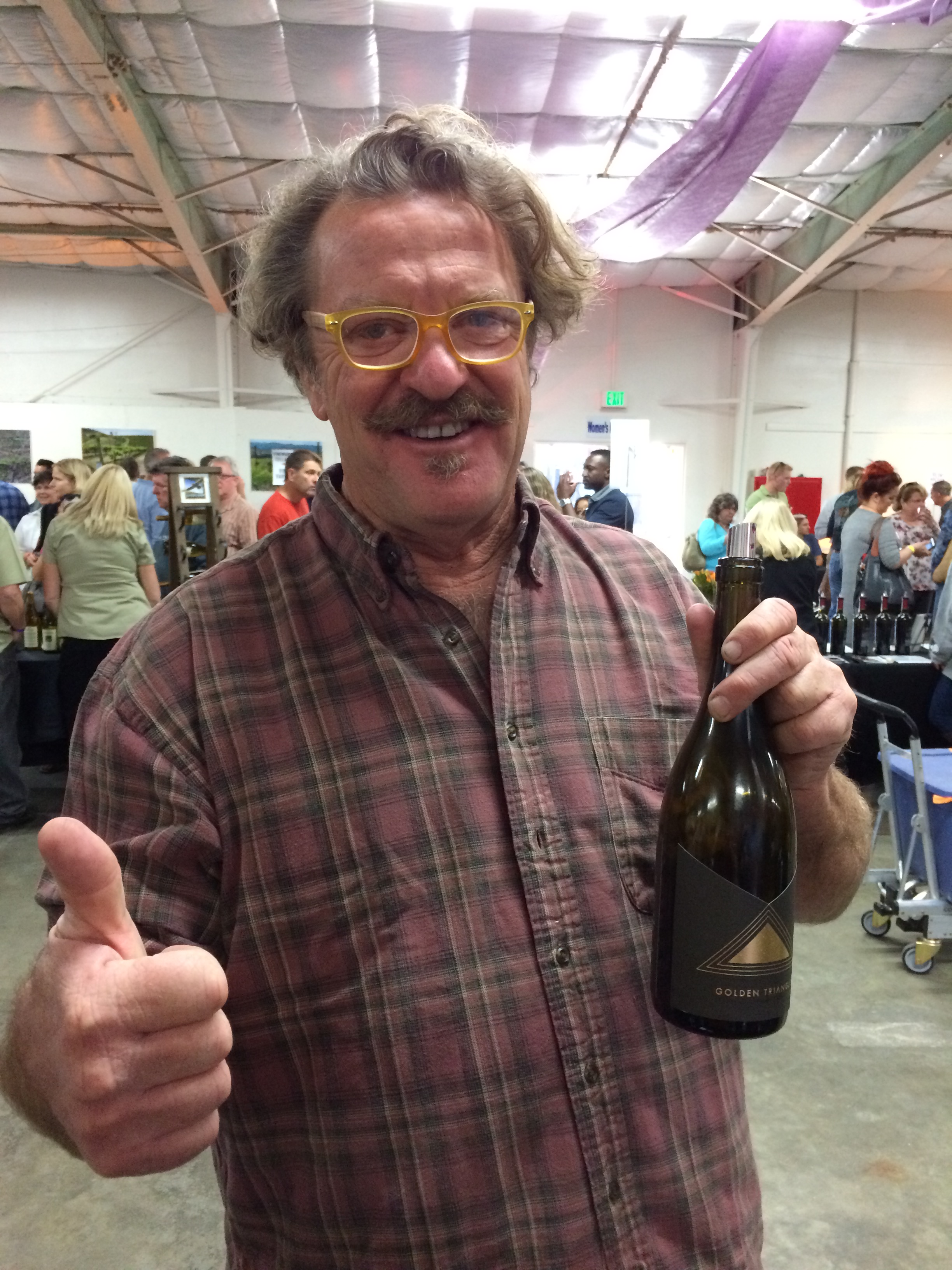
Stewart McLennan of Golden Triangle Wines - one of the Festival's coordinators.
Stewart McLennan of Golden Triangle Wines – one of the Festival’s coordinators.

Golden Triangle Website: (LINK)

Michael Rose of Michael Rose Cellars.
Michael Jones (and Rose?) of Michael Rose Cellars.

Michael Rose Website: (LINK) 

Paul Quinn & James Schreiner of TW Ferm Comany Wines. Cabernets only!

TW Ferm Co Website: (LINK)

2015-11-07 15.39.18
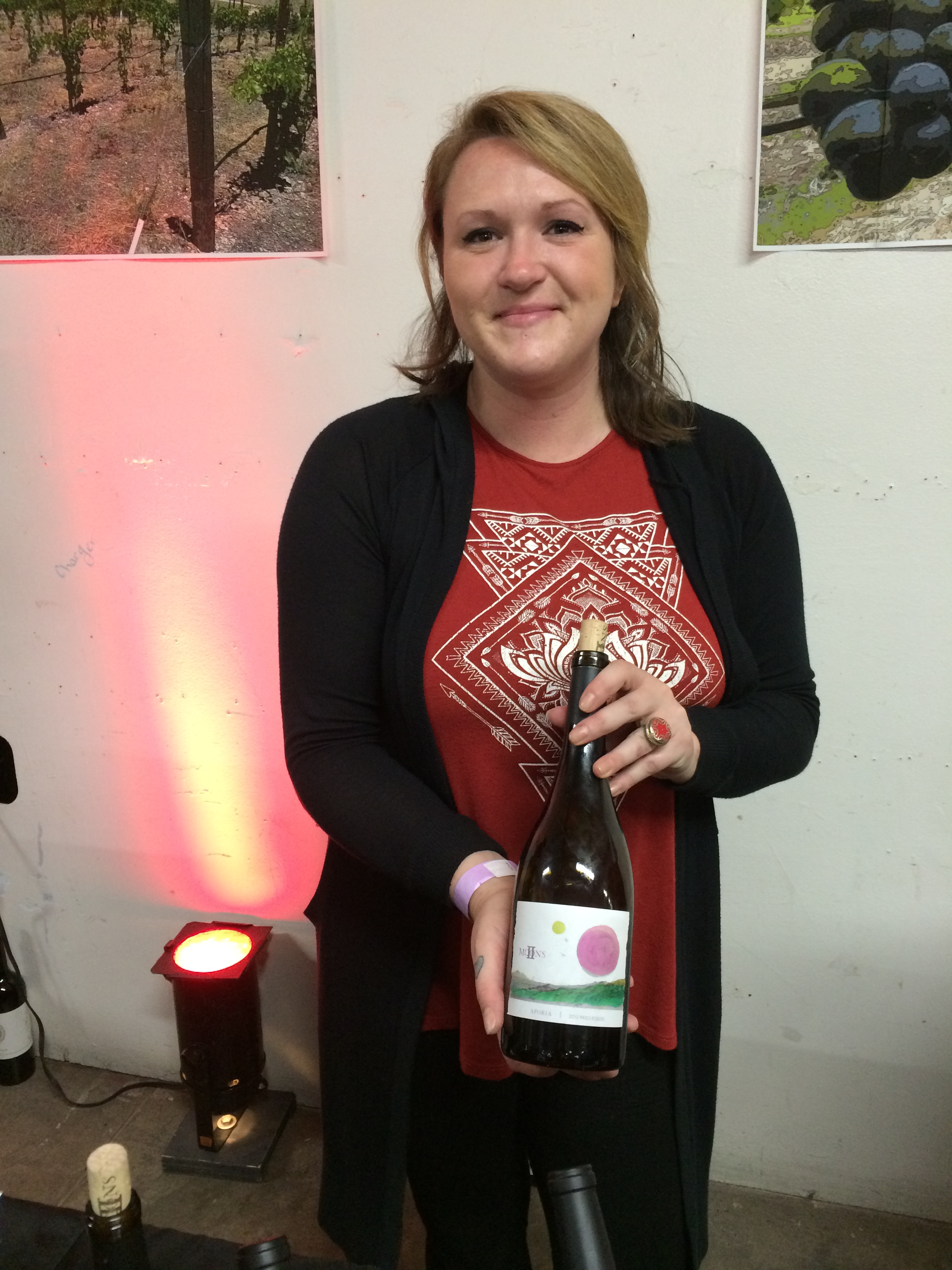
Amber Bierworth pouring Two Moons Rhone-style wines.

Two Moons Website: (LINK)

And our friend John from Alma Sol Winery was there again, pouring his amazing Bordeaux Blends and  Cabernet Sauvignons.

2014-08-09 18.44.38

Alma Sol Winery website: (LINK)

The Garagistè Festival is a great event, one that I highly recommend. If you want to discover the up and coming and the intentionally small wine makers of California’s Central Coast and beyond, this is your ticket.

WINE SEMINARS AT 2015 GARAGISTÉ FESTIVAL IN PASO ROBLES

Each year at the Garagistè Festival, there are two seminars held as part of the VIP package for the Saturday events. This year’s seminars were “Exploring the Aroma Wheel” with Madeline Puckette of WineFolly.com (LINK) and “Techniques of the Garagistè: The Secret of Stems,” with Mikael Sigouin, Ryan Pease, and Stewart McLennan.

2015-11-07 11.28.21
“Exploring the Aroma Wheel” Seminar.

Exploring the Aroma Wheel” explored how to discover the various aromas of wine and how to go a bit deeper than the normal surface sniff of the glass. Madeline Puckette is a very good presenter and the seminar was interactive. Each table had 8 covered and numbered coffee cups, each containing a different scent. We were to begin by sniffing each cup and noting what we thought the aroma was. Then, we were provided two glasses, one with Pinot Noir, the other Cabernet Sauvignon. We were asked to sniff the glasses (some instructions were given) and to list three fruit aromas and three non-fruit aromas that we noted in each.

Madeline Puckette of WineFolly.com

Then, we were asked to sniff one or two of the cups again, and then sniff the wines. The experience of most people was that the aroma of the wine changed after sniffing one or two of the cups (the cups had odors like chocolate, mint, vanilla, smoke, etc.). Ms. Puckette noted that sniffing the aroma in the cup tended to eliminate that odor from the wine for the person sniffing; that changed the aromatic experience of the wine. The workshop was a good experience, and yes, we did get to drink the wine.

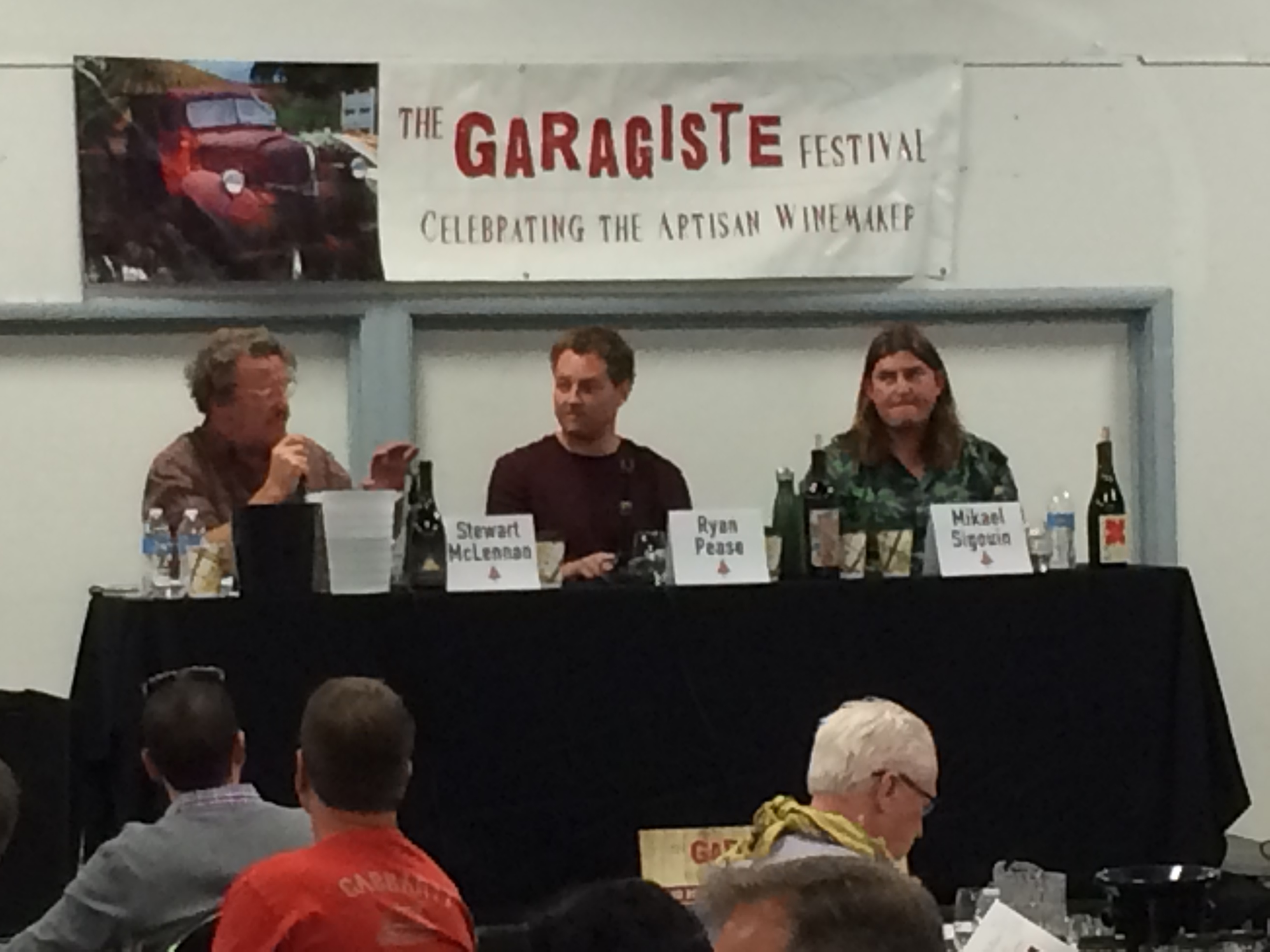
Mikael Sigouin of Kaena Wine Co., Ryan Pease of Paix sur Terre, and Stewart McLennan of Golden Triangle on the panel.

Techniques of the Garagistè: The Secret of Stems” featured three Paso Robles winemakers: Mikael Sigouin of Kaena Wine Company (LINK), Ryan Pease of Paix Sur Terre (LINK), and Stewart McLennan of Golden Triangle (LINK). Each of these winemakers uses stems and whole clusters in making some or all of their wines. The idea is to bring more of the sense of the terroir to the wines and to broaden the flavor profile beyond the fruit itself.

The wines were:2015-11-07 12.32.14

Kaena: 2013 Grenache – Terra Alta Vineyard

Paix Dur Terre: 2013 “The Other One,” 100% Mourvedre

Golden Triangle: 2013 50% Cabernet Sauvignon 50% Syrah

Each was very different in character, although all were the result of whole cluster fermentation. It was very interesting to hear what each winemaker seeks to get from the process and how this process is impractical for large-scale producers.

After the seminars, a lunch was served and then the VIP ticket holders had first shot at the Grand Tasting, with over 70 Garagistè winemakers, producers making under 1500 total cases each year.

We will explore the Grand Tasting in the next post.

WINEMAKERS’ MIXER AT THE 2015 GARAGISTÉ FEST IN PASO ROBLES.

The Garagistè Festival (LINK), for the uninitiated, is a gathering that promotes and celebrates small production winemakers from Paso Robles and elsewhere in California. These are folks who produce under 1500 cases per year. Some are new and plan to grow into the future Mondavis or Kendall-Jacksons of the world; others are doing it as a labor of love and have no plans to expand; still others are winemakers for larger concerns and this is their hobby-like “side venture.”  There are also now Garagistè Festivals in Solvang and in Los Angeles each year.

This is the fifth annual Paso Robles event, and I have attended all of them. Dorianne and I drove up from LA County where we are staying with friends for last night’s Winemakers’ Mixer and today’s workshops and Grand Tasting (which I will blog about later).

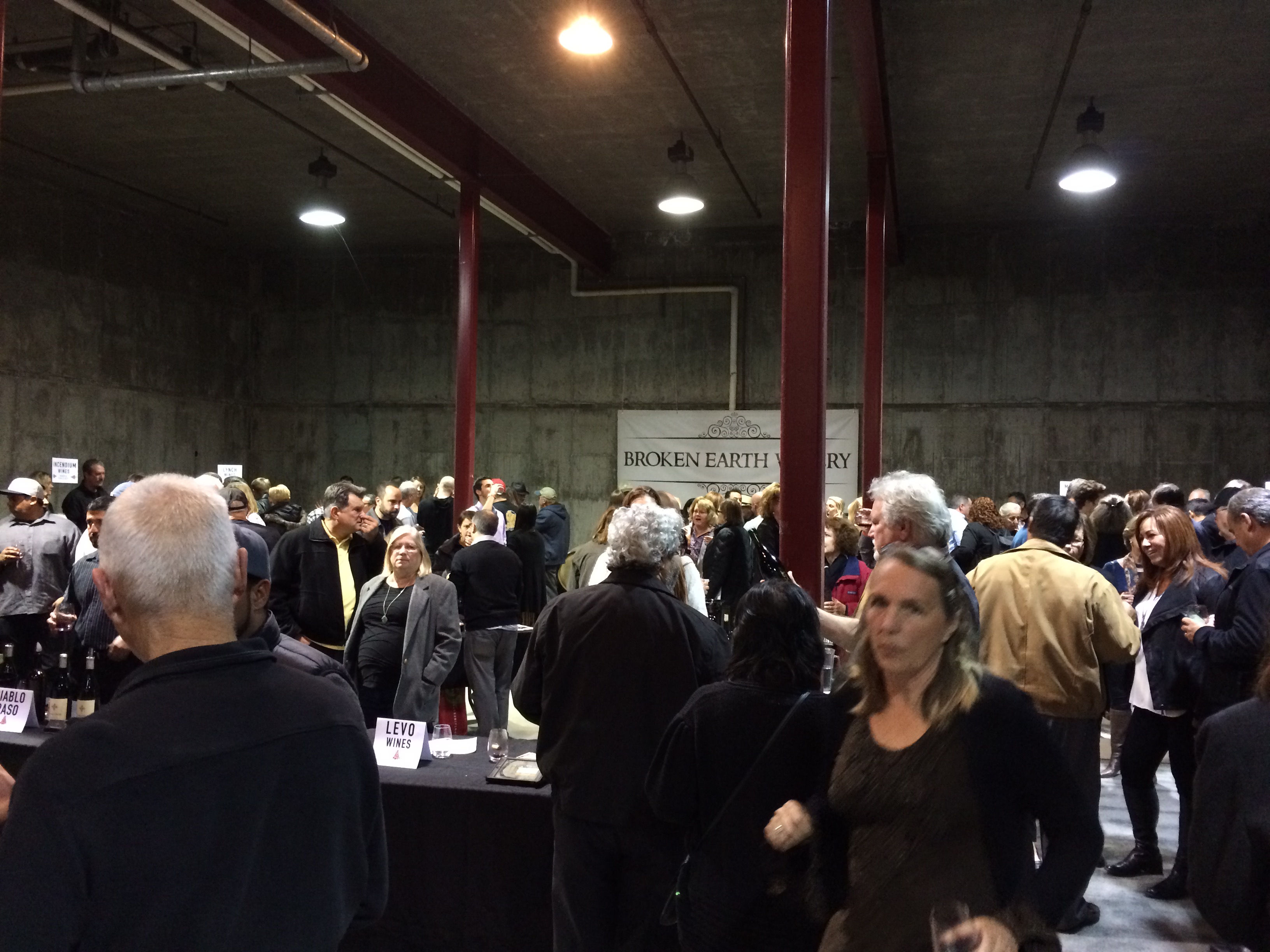
The mixer was added a few years ago, and has been held in different places. This year, it was in the barrel room at Broken Earth Winery (LINK). There were about 35 wineries represented (and one local hard cider maker), including about 1/2 dozen who had been at all five festivals. There were some snacks provided and the Pairing Knife Food Truck (LINK) was also on hand with some great food.

2015-11-06 19.47.54

The focus of the evening was new releases and tastings of wines that had not yet been released. You might say that this concept is loosely observed. There were some new releases, and some yet-to-be-released wines (one, just pressed and served from a 5 gallon plastic container), but there were also some 2007 Cabernets and other regular production wines, but really, who cares?

The fun of this evening was meeting young (and not-so-young) winemakers who are following their dream and doing what they love. They are eager to talk about their wines and really enjoy it when someone with some knowledge shows up. There were over 70 wines to taste, so spitting was in order. The general quality of the wines at the Garagistè Festival has improved significantly over the past five years. But, there is still a pretty wide range of quality, which is also part of the fun.

Here are a few highlights from the evening for us – we did not taste every single wine (you can get wines from most of these small producers via their website):

Ascension Cellars (LINK), Paso Robles. Currently produces 8 wines in the Rhône style. We tasted their GSM called Trinity and a Syrah – both were very well-crafted and balanced.

Deno Wines (LINK), Templeton, CA. The last wine we tasted before departing, the wine was a pre-release of the blend of 50% Zinfandel and a 50% GSM blend. This surprising combination produced a very spicy and well-balanced wine. Dennis Sharpe will have some other GSM’s out today for the Grand Tasting.

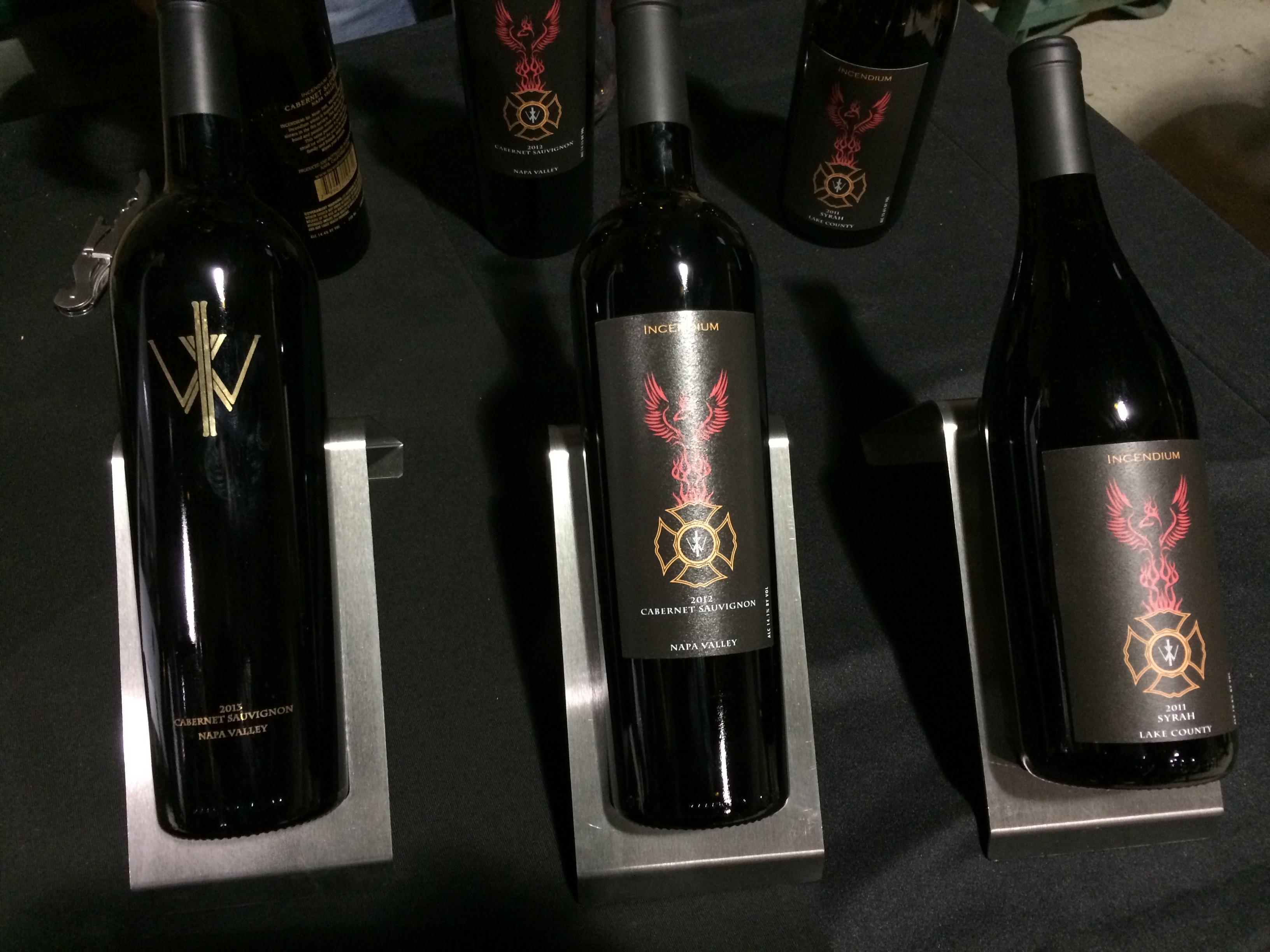
Incendium Wines (LINK), Napa Valley, CA. Winemaker Vince Kalny is a firefighter for Cal Fire. His wines reflect his primary calling, with beautifully designed labels. A portion of the proceeds from sales go to The National Fallen Fire Fighters Foundation. That said, his wines are very well made. There were 3 Chardonnays, 2 Cabernet Sauvignons and a Syrah to taste. The Cabs (2012 & 2013 – pre-release) stood out as very well-crafted and were smooth and ready to drink.

2015-11-06 19.33.04
Incendium Wines – The Reds
2015-11-06 19.33.22
Vince Kalny – Firefighter and Winemaker.

Stanger Vineyards (LINK), Paso Robles, CA. Last year, when we entered the mixer, the first person we saw was J.P. French holding a 5 gallon plastic water jug that was filled with Malbec that had just been pressed. He sloshed some of the juice into our glasses and moved on. Later, we returned to his table and discovered some amazing wines. J.P. was back this year, with the 2015 Cabernet Sauvignon in the plastic jug – again, just pressed. He also had a 2007 Cabernet Sauvignon that was spicy, earthy, but with nice red fruit on the nose and palate. If you are into wine, Stanger Vineyards is a good bet.

Theopolis Vineyards (LINK), Anderson Valley, CA. Theopolis, run by Theodora Lee, a Texan and an attorney by trade, had 7 or 8 wines (we were well into the tasting) on display. Theopolis  has a focus on Petite Syrah on the red side, and the Symphony Grape – a California crossing of Muscat of Alexandria and Grenache Gris developed in 1948 (but not commercially released until 1982) by the late Harold Olmo, professor of viticulture at the University of California, Davis.   As its pedigree suggests, it is a seductively aromatic wine with delightfully captivating aromas that are markedly floral with slightly spicy flavors (from their website). She also produces a very seductive Petite Syrah Rosè. The wines were among the best of the evening and I look forward to visiting her again today at the Grand Tasting.

2015-11-06 20.20.26
Theodora Lee of Theopolis Vineyards

2015-11-06 20.20.30

Turiya Wines (LINK), Lompoc, CA.  Turiya means “pure consciousness” in Sanskrit. Winemaker Angela Soleno brings a consciousness to winemaking that produces some exceptional wines. We tasted a Sangiovese  and a Bordeaux Blends, and both were excellent. A one-woman operation, Angela produces about 200 cases annually, all reds, featuring a number of varietals – Red Blends, Cabernet Sauvignon, Syrah, Malbec, Merlot, Petit Verdot, Cabernet Franc and Sangiovese. Wine prices begin at about $100/bottle and you have to be on the allocation list to receive wine. Visit the website for more information.

Angela Soleno of Turiya Wines.

Vinemark Cellars (LINK), Paso Robles, CA. Mark Wasserman, who runs Vinemark with his wife, Julie, was present with two wines, a 2013 Reserve Pinto Noir and a 2012 Mezzanote, a blend of 75% Primitivo and 25%  Petite SyrahMark is the classic Garagistè, in it for the love of winemaking. He loves to talk about his wines, and they are wonderful.

Mark Wasserman of Vinemark Cellars.

So that is a taste of the tasting mixer. There were a number of other quality wines present and, again, try as we might, Dorianne and I did not get to taste everything. Today – the Classic Tasting with about 70 producers and a couple of hundred wines. We will do our best.

2015-11-06 19.47.59

THE NEW “WINE DEMOCRACY” WHERE EVERY OPINION IS EQUALLY VALID. THOUGHTS?

In Matt Kramer’s column on WineSpectator.com, posted on Nov 3rd (LINK TO POST), he speaks of a growing phenomenon that he labels “Wine Democracy,” or the emergence of a more egalitarian approach to wine criticism as a whole.

Where in the past, only those with access to some “journalistic real estate in a newspaper or magazine” had a voice in the wine world – the rest of us were more passive consumers of the opinions of these few critics and taste makers. Now, via social media and the blogosphere, everyone can be a critic. And while there are certainly tiers of influence, the audience for wine opinion is doubtlessly more varied and diverse than it used to be; and that audience contains many who also feel free to give opinion (like yours truly).

But there is more to this phenomenon than technological innovation. There is also a cultural evolution process that is unfolding, and egalitarianism is part of where many people are finding themselves in terms of values. The old ways of looking to “experts” to define opinion and then following that opinion without much questioning, is fading fast. Now, a values system variously labeled “postmodernism,” Cultural Creative,” and Green (in Spiral Dynamics) has emerged and is becoming more and more prevalent.

spiral-dynamics Levels 2

Some of the key values of this level of cultural development are:

  • a high value for egalitarianism – anti-hierarchical.
  • all voices must be heard on any issue before a decision is made.
  • all (or almost all) opinions have equal validity.
  • feelings are more important than outcome – it is important that everyone feel good about what is decided.

Here is a link to some information about this phenomenon (LINK). You can see some of these values expressed in the column, but like most people, Kramer is apparently unaware of the cultural evolutionary models (as most people are), so instead of seeing a naturally unfolding way of being human, he sees people being different and, for the most part, wrong.

A quote from Mr. Kramer:  “These determined detectors of snobbery and elitism are like old-fashioned anti-communists: they’re sure that subversive snobs and elitists are lurking everywhere.

“In today’s wine democracy, equality of opportunity (to express oneself) too often is steamrollered into a much more simplistic ‘equality.’ All wines are equally good because all opinions are equally valid. Any deviation from that is seen as, well, you know.” 

What Mr. Kramer is describing is something that is not going away. In fact, it will grow as more and more people evolve culturally toward this level of being. In the meanwhile, get used to people turning away from the few “experts” and finding ways to not only form their own opinions, but to express them as well. Not all of these opinions will be of equal value, as the post by Mr. Kramer points out, but the days of a wide audience of consumers following a few select wine critics are over.

It’s the times; they’re a changin’.  As always, your comments are welcome.

Wine - Redness